
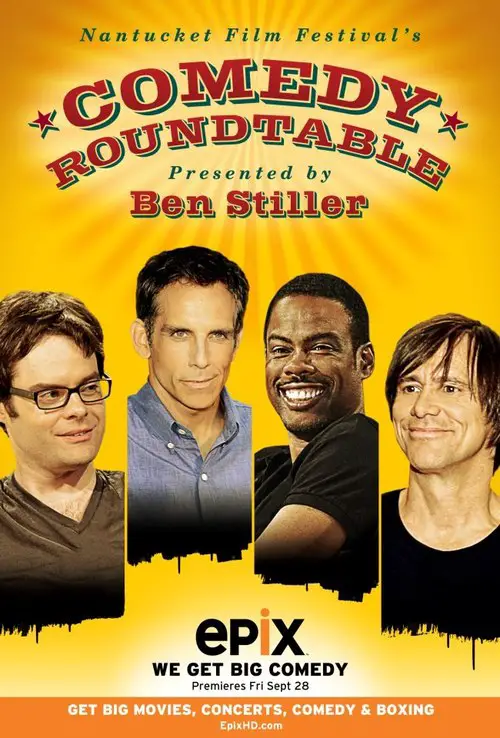
In June at the Nantucket Film Festival, Ben Stiller brought together three of his funniest famous friends to talk seriously about comedy. Chris Rock and Jim Carrey joined Stiller on a panel moderated by Saturday Night Liveâs Bill Hader for the 4th Annual All-Star Comedy Roundtable.



Sexy Baby is the first documentary film to put faces to a seismic cultural shift: the cyber age is creating a new sexual landscape. While doing research for the film, we had intimate and candid conversations with kids in middle school classrooms, suburban shopping malls, nightclubs, college dorms, and even conducted an informal roundtable during a high school house party. While chronicling trends among small town and big city kids, we discovered this: Having pubic hair is considered unattractive and âgross.â Most youngsters know someone who has emailed or texted a naked photo of themselves. Many kids have accidentally or intentionally had their first introduction to sex be via hardcore online porn. Facebook has created an arena where kids compete to be âlikedâ and constantly worry about what image to portray â much of what was once private is now made public. And the list goes on.


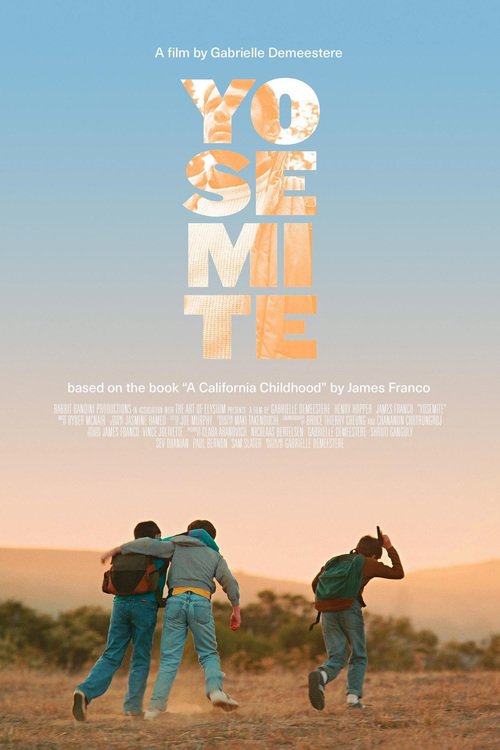
It's the fall of 1985. The intertwining tales of three 5th grade friends, Chris, Joe and Ted, unfold in the suburban paradise of Palo Alto, as the threat of a mountain lion looms over the community.
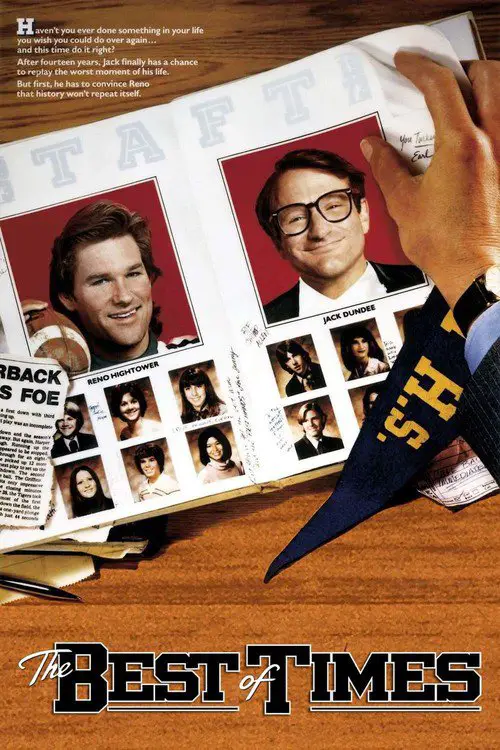
A small-town loser determines to have one more shot at the big time by winning a football game.
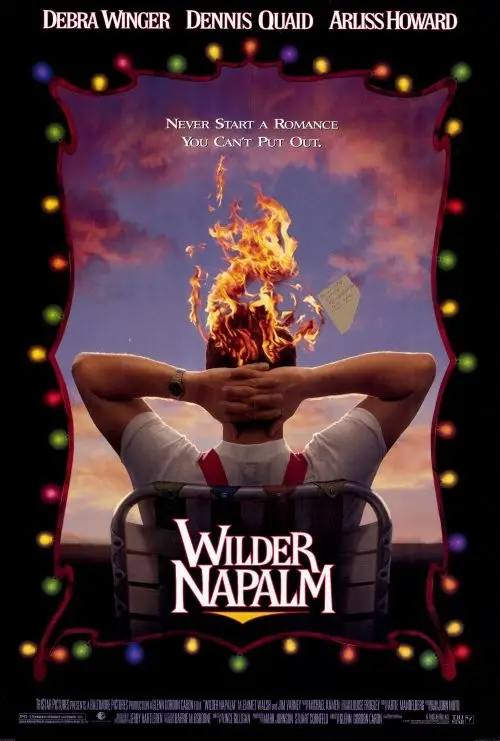
Wilder and Wallace are brothers and pyrokinetics. Ever since childhood they've been able to start fires with their minds but following a tragedy in which they accidentally killed a man, the brothers have grown up very differently. Wilder has become a regular 9-5 workaday joe but Wallace performs his feats with a traveling circus. When the circus comes to Wilder's home town Wallace starts coming on strong to Wilder's wife, Vida who, ironically, is a slight pyromaniac.

Before Charles Xavier and Erik Lensherr took the names Professor X and Magneto, they were two young men discovering their powers for the first time. Before they were arch-enemies, they were closest of friends, working together with other mutants (some familiar, some new), to stop the greatest threat the world has ever known.
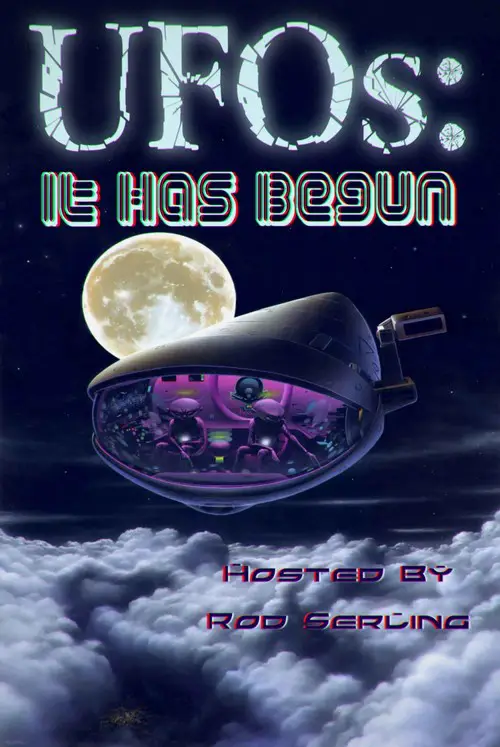
A documentary exploring the existence of UFOs and extra-terrestrial beings. Hosted by the LEGENDARY Rod Serling. This was considered his "coming out the closet" in regards to his deep belief in UFOs just before his death from cancer.
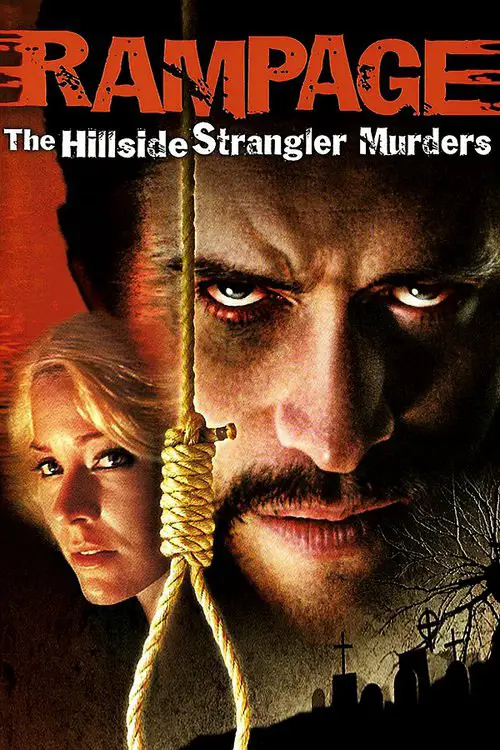
Kenneth Bianchi, one of the two serial rapists and killers who terrorized the Los Angeles area in the late 1970s, is giving police station interviews to psychiatrist Samantha Stone, who has disquieting lifestyle issues of her own. It falls to her to delve into the details of the case to determine the veracity of Bianchi's claims of multiple personality disorder, but in so doing, she is forced to relive the horrific crimes, one of which occurs at her very doorstep.
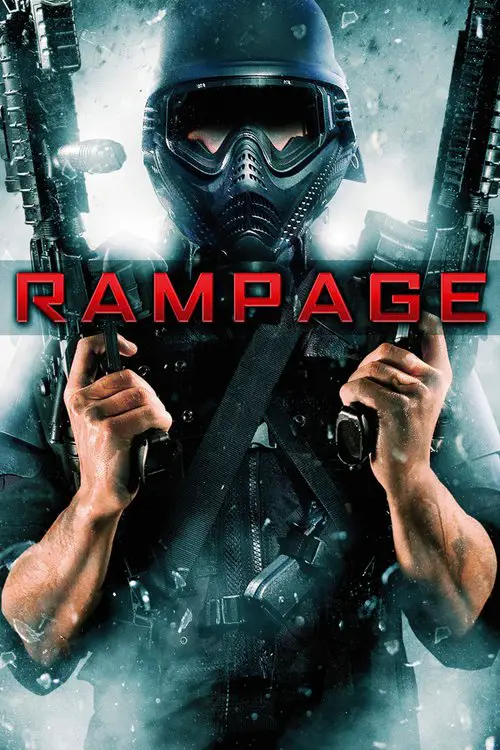
The boredom of small town life is eating Bill Williamson alive. Feeling constrained and claustrophobic in the meaningless drudgery of everyday life and helpless against overwhelming global dissolution, Bill begins a descent into madness. His shockingly violent plan will shake the very foundations of society by painting the streets red with blood.
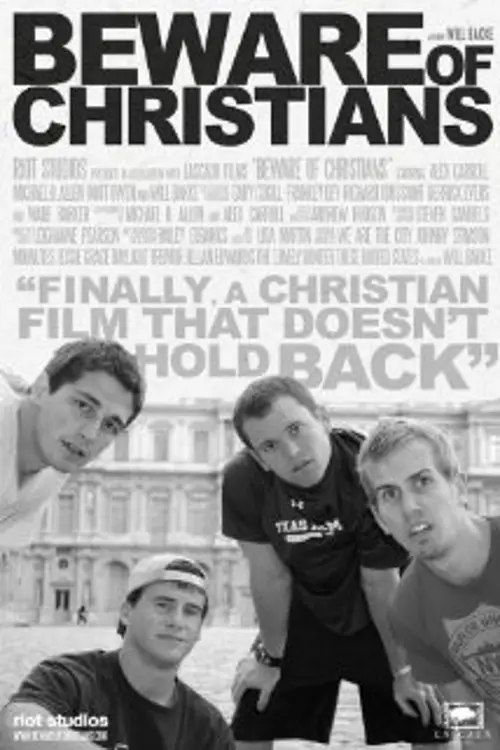
Four college students travel to Europe to escape their routine faith and gain a radically new perspective on following Jesus.

A documentary on Al Gore's campaign to make the issue of global warming a recognized problem worldwide.
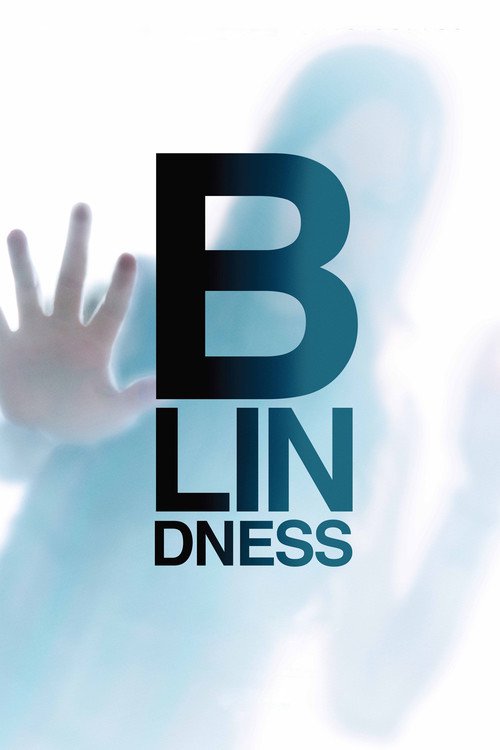
When a sudden plague of blindness devastates a city, a small group of the afflicted band together to triumphantly overcome the horrific conditions of their imposed quarantine.
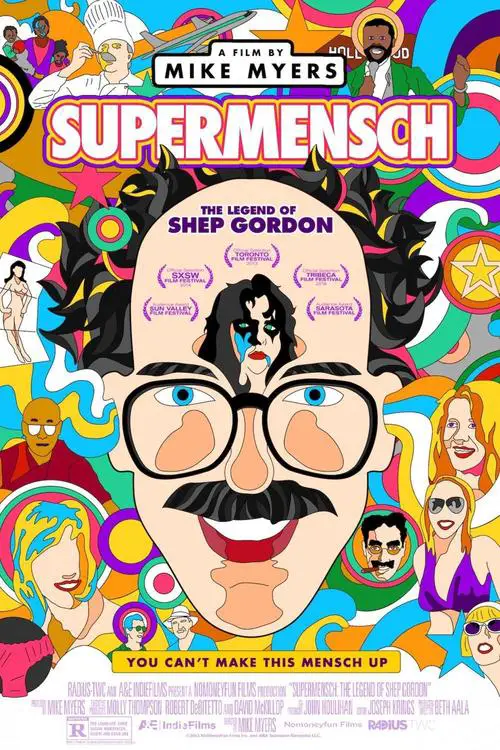
In 1991, music manager Shep Gordon held Mike Myers over a barrel a few weeks before shooting Wayneâs World regarding an Alice Cooper song Myers wanted to use in the film. They have been close friends ever since. Twenty-two years later, the story of Gordonâs legendary life in the über-fast lane is now told in Myersâ directorial debut. And this time itâs Myers who has Gordon over a barrel. Shep Gordon: capitalist, protector, hedonist, pioneer, showman, shaman⦠Supermensch!
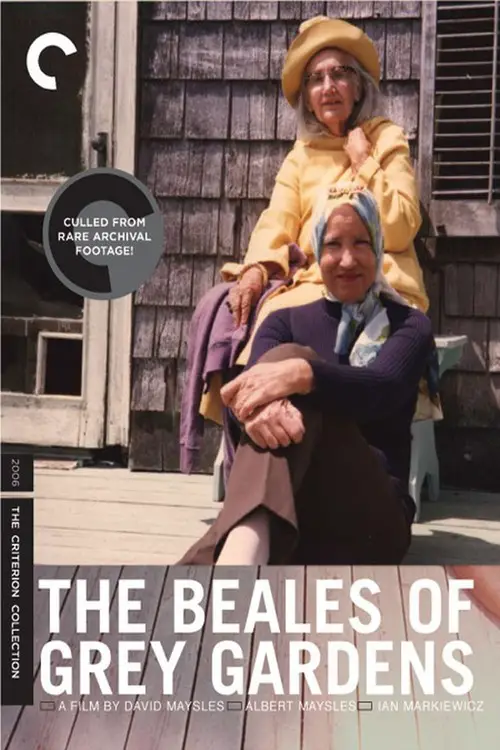
Mother and daughter - Big Edie and Little Edie Beale - live with six cats in a crumbling house in East Hampton. Little Edie, in her 50s, who wears scarves and bright colors, sings, mugs for the camera, and talks to Al and David Maysles, the filmmakers. Big Edie, in her 70s, recites poetry, comments on her daughter's behavior, and sings "If I Loved You" in fine voice. She talks in short sentences; her daughter in volumes. The film is episodic: friends visit, there's a small fire in the house, Little Edie goes to the shore and swims. She talks about the Catholic Church. She's ashamed that local authorities raided the house because of all the cats. She values being different.
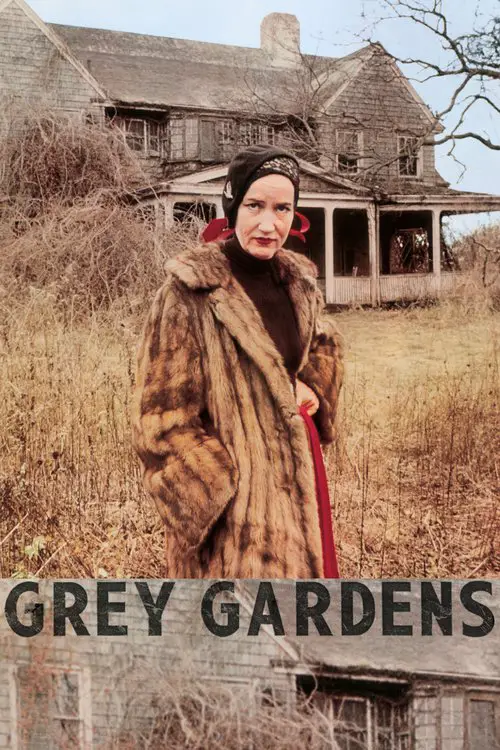
An old mother and her middle-aged daughter, the aunt and cousin of Jacqueline Kennedy Onassis, live their eccentric lives in a filthy, decaying mansion in East Hampton.

IRIS pairs legendary 87-year-old documentarian Albert Maysles with Iris Apfel, the quick-witted, flamboyantly dressed 93-year-old style maven who has had an outsized presence on the New York fashion scene for decades. More than a fashion film, the documentary is a story about creativity and how, even in Irisâ dotage, a soaring free spirit continues to inspire. IRIS portrays a singular woman whose enthusiasm for fashion, art and people are lifeâs sustenance and reminds us that dressing, and indeed life, is nothing but an experiment.
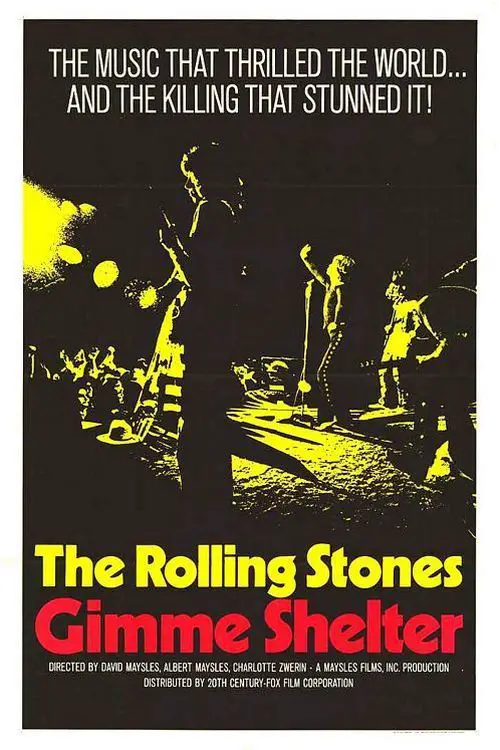
This documentary of the Rolling Stones' 1969 US tour has become a legendary, harrowing symbol of the tragic demise of the "Peace and Love" era. After a successful tour across the US, the Rolling Stones gave a free December concert at Altamont Speedway in California with the Grateful Dead, Ike and Tina Turner, Jefferson Airplane, and the Flying Burrito Brothers. The band unwisely selected the Hells Angels to provide security, and the bikers resorted to violence to keep the stoned, restless, and often naked crowd in line. The result: dozens of injuries and the on-screen stabbing of a young black man (during "Sympathy for the Devil") by one of the concert's staff security. In a manipulative but effective move, the Maysles brothers filmed Mick Jagger in the editing room witnessing the on-camera murder for the first time. The film also works as a rock-and-roll document, capturing the band at their most relaxed, intoxicating, and electrifying.
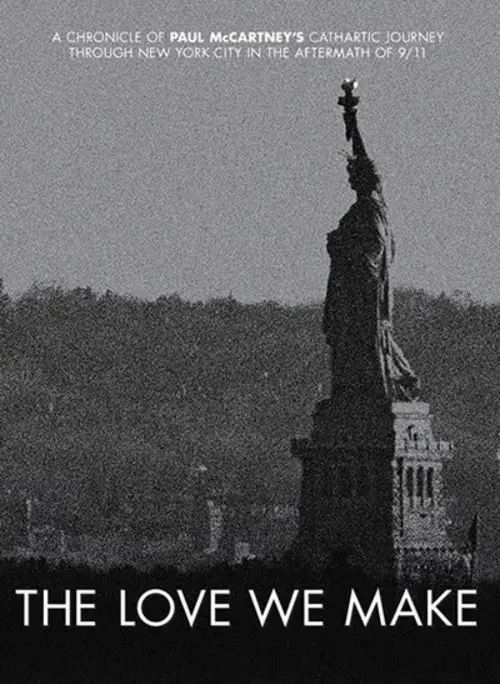
"The Love We Make", a film directed by Albert Maysles ("Gimme Shelter") and Bradley Kaplan, follows Paul McCartney as he journeys through the streets of New York City in the aftermath of the destruction of the World Trade Center on September 11th, 2001. It also chronicles the planning and performance of the benefit concert that took place less than six months after the attacks: "The Concert For New York City".
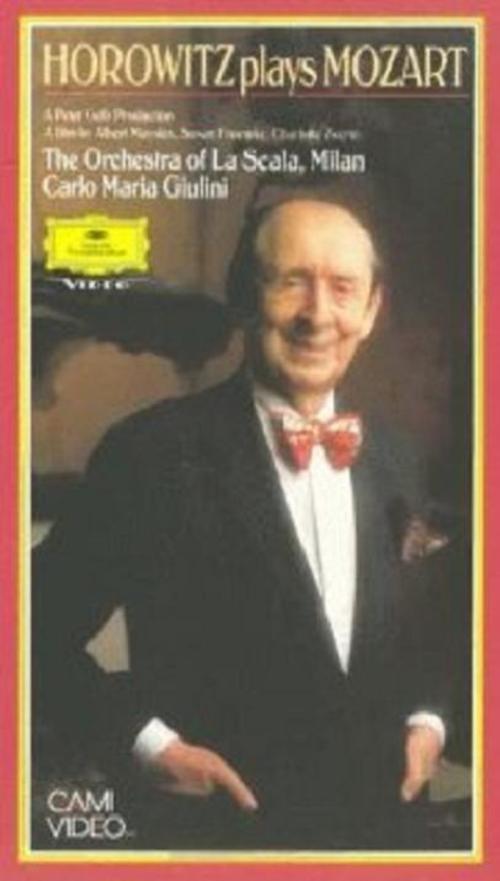
In March 1987, pianist Vladimir Horowitz embarked on an
extraordinary project. For the first time in 35 years, he
agreed to record with a symphony orchestra in a studio.
He chose the conductor, Carlo Maria Giulini, the orchestra,
the La Scala Philharmonic, and the location, the Abanella
recording studio of La Scala in Milan. Horowitz steadfastly
refused to allow the month-long sessions to be filmed, until
the evening before the last scheduled session when he
unexpectedly changed his mind. His manager, Peter Gelb,
immediately telephoned Albert Maysles and Susan Froemke
in New York, the co-filmmakers of "Vladimir Horowitz:
The Last Romantic." That same night, the Maysles film
crew flew from New York.
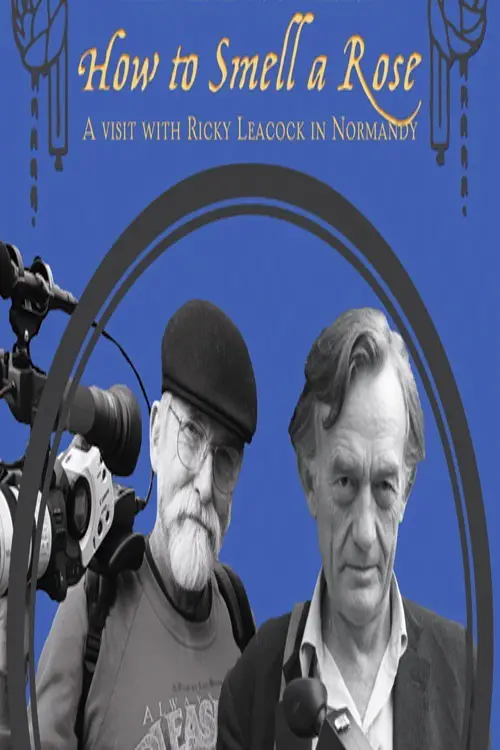
In the year 2000, Les Blank, along with co-filmmaker Gina Leibrecht, visited Richard Leacock (1921-2011) at his farm in Normandy, France and recorded conversations with him about his life, his work, and his other passion: cooking! With the flair of a seasoned raconteur, Leacock recounts key moments in his seventy years as a filmmaker and the innovations that he, D.A. Pennebaker, Albert Maysles and others invented that revolutionized documentary filmmaking, and explores the mystery of creativity. With the passing of both Blank and Leacock, the documentary is a moving insight into the lives of two seminal figures in the history of film.
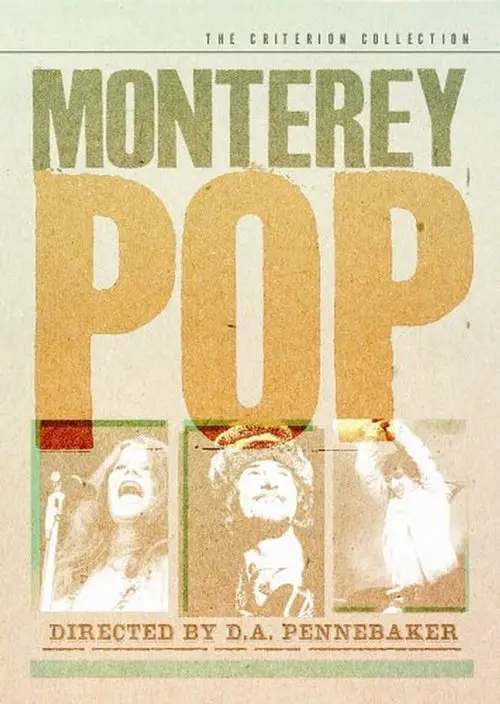
On a beautiful June weekend in 1967, at the height of the Summer of Love, the first and only Monterey International Pop Festival roared forward, capturing a decadeâs spirit and ushering in a new era of rock and roll. Monterey would launch the careers of Jimi Hendrix, Janis Joplin, and Otis Redding, but they were just a few among a wildly diverse cast that included Simon and Garfunkel, the Mamas and the Papas, the Who, the Byrds, Hugh Masekela, and the extraordinary Ravi Shankar. With his characteristic vérité style, D. A. Pennebaker captured it all, immortalizing moments that have become legend: Pete Townshend destroying his guitar; Hendrix burning his.
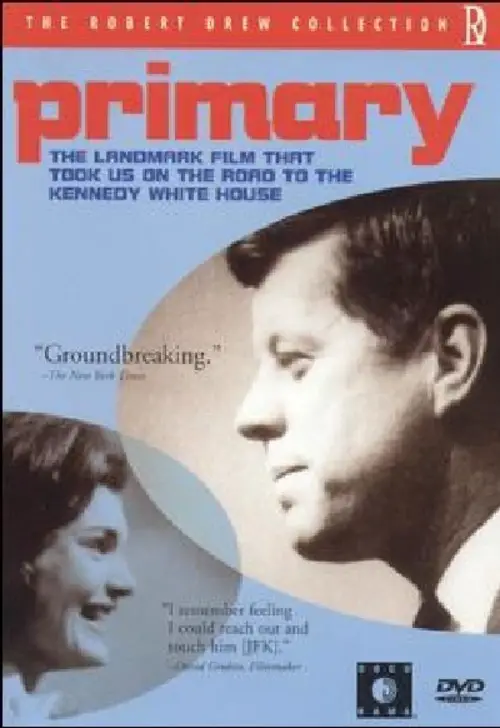
Primary is a documentary film about the primary elections between John F. Kennedy and Hubert Humphrey in 1960. Primary is the first documentary to use light equipment in order to follow their subjects in a more intimate filmmaking style. This unconventional way of filming created a new look for documentary films where the cameraâs lens was right in the middle of what ever drama was occuring.

A documentary on New York Cityâs biggest public art project ever, an installation called âThe Gatesâ by Christo and Jeanne Claude.
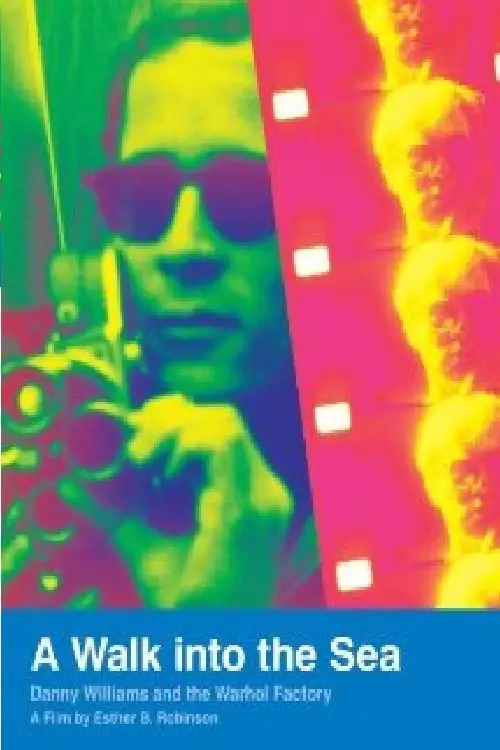
Esther Robinson's portrait of her uncle Danny Williams, Warhol's onetime lover, collaborator and filmmaker in his own right, offers a exploration of the Factory era, an homage to Williams's talent, a journey of family discovery and a compelling inquiry into Williams's mysterious disappearance at age 27.
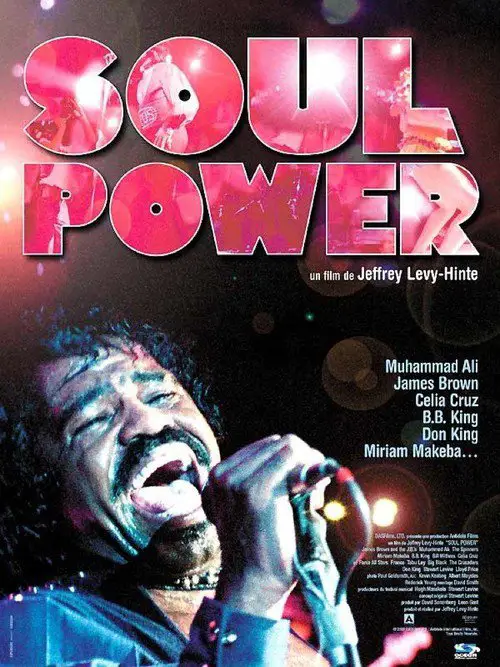
A documentary on the legendary soul music concert staged in Kinshasa, Zaire in 1974.
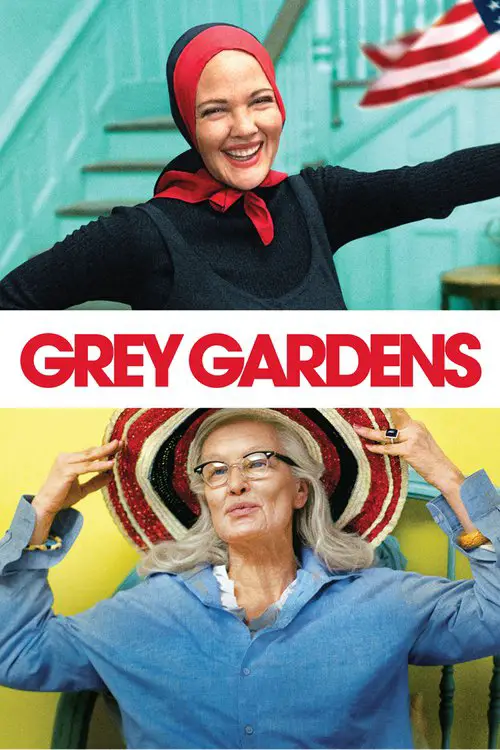
Based on the life stories of the eccentric aunt and first cousin of Jackie Onassis raised as Park Avenue débutantes but who withdrew from New York society, taking shelter at their Long Island summer home, "Grey Gardens." As their wealth and contact with the outside world dwindled, so did their grasp on reality.
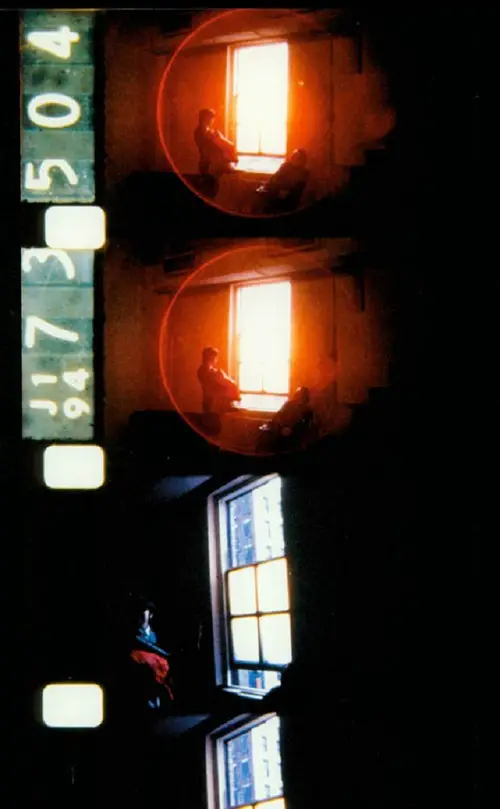
My film diaries 1970-1979: my marriage, children are born, you see them growing up. Footage of daily life, fragments of happiness and beauty, trips to France, Italy, Spain, Austria. Seasons of the year as they pass through New York. Friends, home life, nature, unending search for moments of beauty and celebration of life friendships, feelings, brief moments of happiness. The film is also my love poem to New York. Itâs the ultimate Dogme movie, before the birth of Dogme.
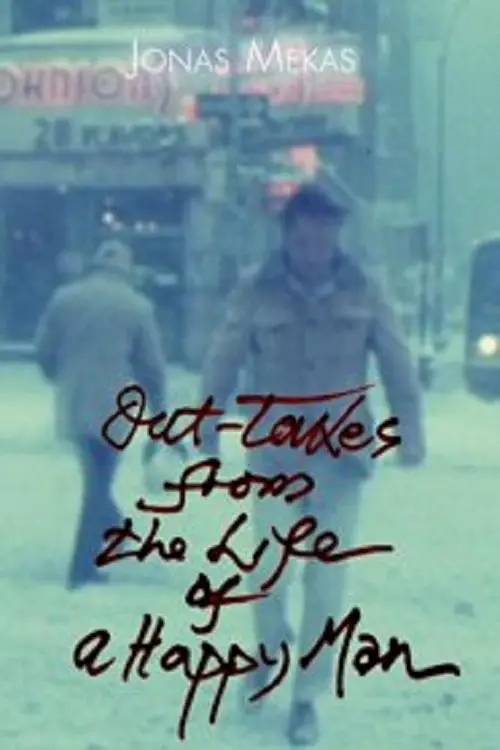
"A motion picture composed of brief diaristic scenes not used in completed films from the years 1960-2000; and self-referential video footage taped during the editing. Brief glimpses of family, friends, girl-friends, the City, seasons of the year, travels. Occasionally I talk, reminisce, or play music I taped during those earlier years, plus more recent piano improvisations by Auguste Varkalis. It's a kind of autobiographical, diaristic poem, celebration of happiness and life. I consider myself a happy man." - Jonas Mekas
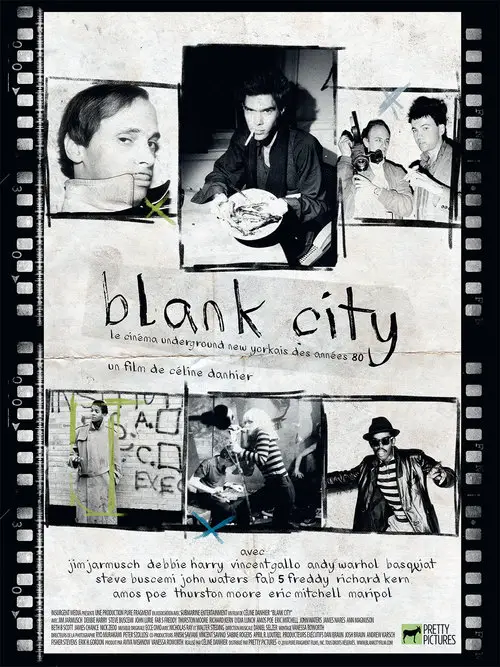
Take a trip back to a time when New York City wasn't all glitz and glamour as filmmaker Celine Danhier offers a look at the birth of "No Wave Cinema" and the vibrant art scene that exploded out of the East Village in the late '70s. In the years before Ronald Reagan took office, Manhattan was in ruins. But true art has never come from comfort, and it was precisely those dire circumstances that inspired artists like Jim Jarmusch, Lizzy Borden, and Amos Poe to produce some of their best works. Taking their cues from punk rock and new wave music, these young maverick filmmakers confronted viewers with a stark reality that stood in powerful contrast to the escapist product being churned out by Hollywood. ~ Jason Buchanan, Rovi
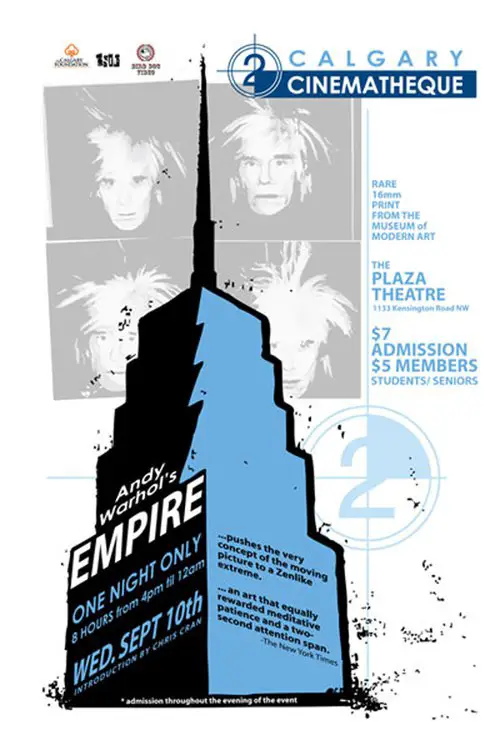
A single shot of the Empire State Building from early evening until nearly 3am the next day.
Elio Gelmini interviews Avantgarde filmmaker Kenneth Anger. With archive footage of Angers films, he portrays the filmmaker from his childhood until present day.
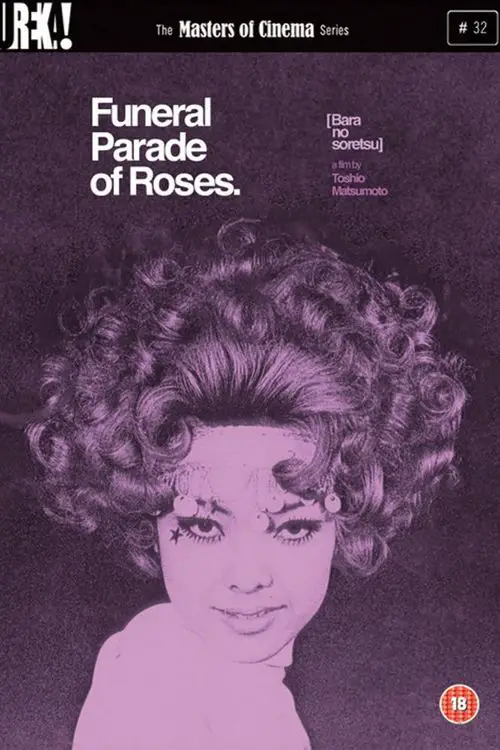
In a Japanese version of "Oedipus Rex," a gay son murders his mother and sleeps with his father.
In June at the Nantucket Film Festival, Ben Stiller brought together three of his funniest famous friends to talk seriously about comedy. Chris Rock and Jim Carrey joined Stiller on a panel moderated by Saturday Night Liveâs Bill Hader for the 4th Annual All-Star Comedy Roundtable.
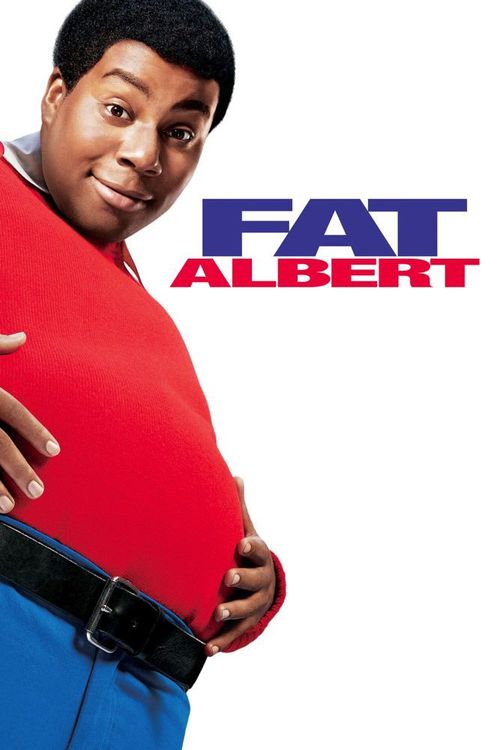
An obese boy named Fat Albert and his friends Rudy, Mushmouth, Bill, Dumb Donald, Russell, and Weird Harold, pulls into trouble when they "fall" out of their TV world into the real world, where Fat Albert tries to help a young girl, Doris, make friends.
When Albert's best friend Egon goes missing, Albert embarks on an adventure to find him. Along the way he meets Sabrina and together they must save Egon.
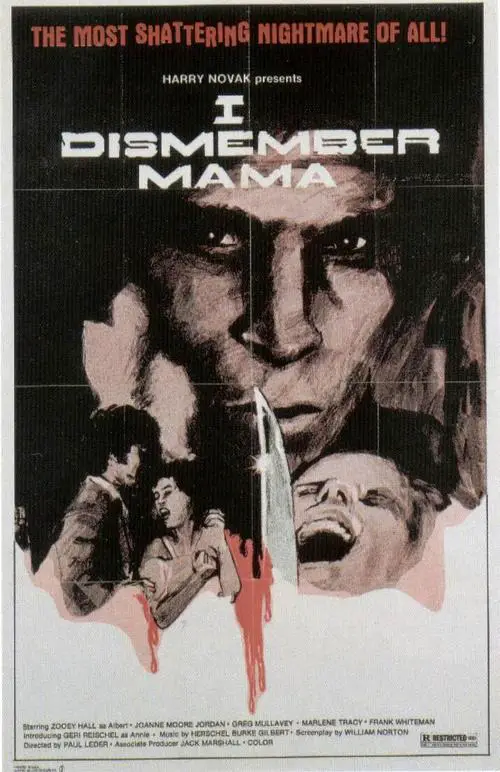
Albert tried to kill his rich snobby mother once. Then he was institutionalized. Now he's escaped. Albert is after his mother again. And he will torture and kill anything that lays in the way...
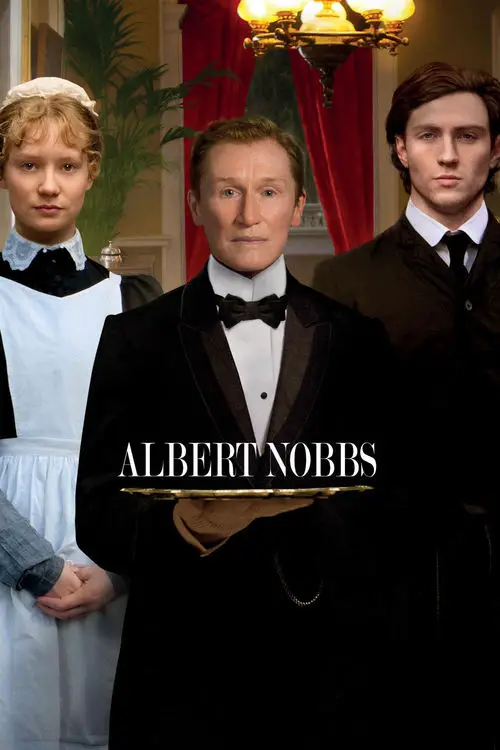
Albert Nobbs struggles to survive in late 19th century Ireland, where women aren't encouraged to be independent. Posing as a man, so she can work as a butler in Dublin's most posh hotel, Albert meets a handsome painter and looks to escape the lie she has been living.
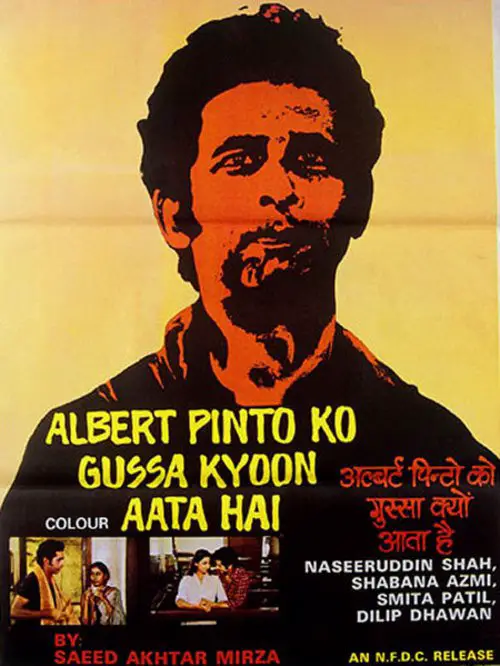
'Albert Pinto Ko Gussa Kyon Ata Hai' revolves around the Pintos and the people connected to them. There's Albert who's pretty much angry at everybody. His brother Dominic who thinks it's better to be jobless than to work an underpaid job, his patient sister Joan who works at a sarishop, his independent girlfriend Stella who feels under-appreciated by her boyfriend, his father and his colleagues, client and Stella's family. The film is very much a social commentary about Middle-class life in Bombay during the late 70s and the conflicts arising in the labour force because workers were getting severely underpaid.
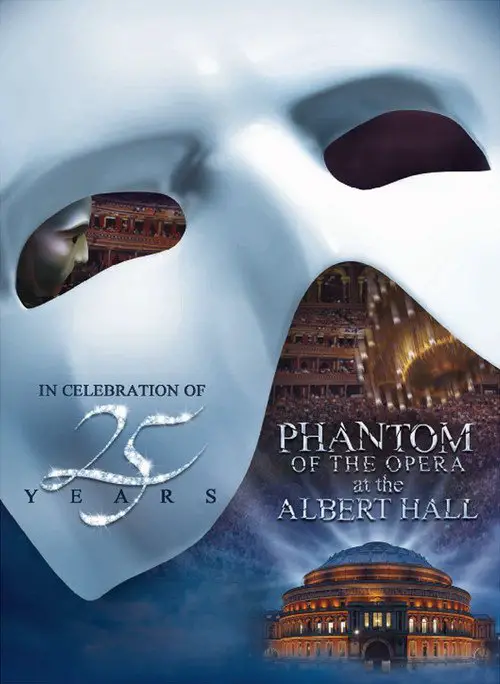
A disfigured musical genius, hidden away in the Paris Opera House, terrorizes the opera company for the unwitting benefit of a young protégée whom he trains and loves. 25th years of Phantom of the Opera marked with a grand performance at the Royal Albert Hall

Albert is the story of a tiny Douglas fir tree named Albert who has big dreams of becoming Empire City's most famous Christmas tree. When the search for this year's tree is announced, Albert believes he has found his calling and hits the road with his two best friends, Maisie the persistently positive plam tree, and Gene the abrasive and blisteringly honest weed, to fulfill his destiny. With a few prickly situations along the way, and Cactus Pete out to stop him, Albert learns the true meaning of Christmas.
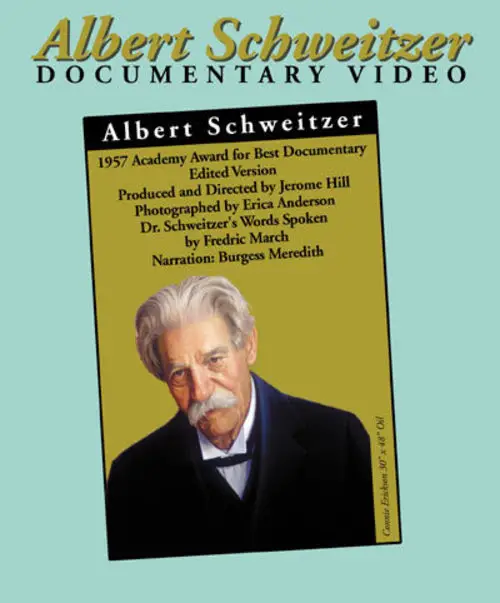
This biographical drama/part-time documentary, narrative written by Dr. Albert Schweitzer and spoken by Frederic March, traces the life of Dr. Schweitzer (with actors playing the characters), from his birth in France up to about the age of 30 when he makes the decision to go to French Equatorial Africa and build his jungle hospital. The latter half of the film encompasses a full day in the hospital-village following the 80s-plus Samaritan in his daily rounds.
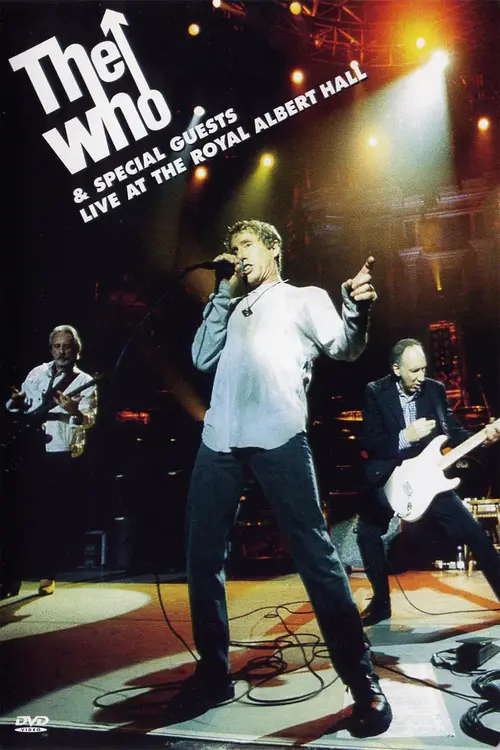
The Who & Special Guests: Live at the Royal Albert Hall is a concert film of The Who's concert on November 27, 2000 at the Royal Albert Hall in London to benefit the Teenage Cancer Trust.[2] A number of special guests joined the band on stage to perform the band's hits. The concert was also released on CD as Live at the Royal Albert Hall.
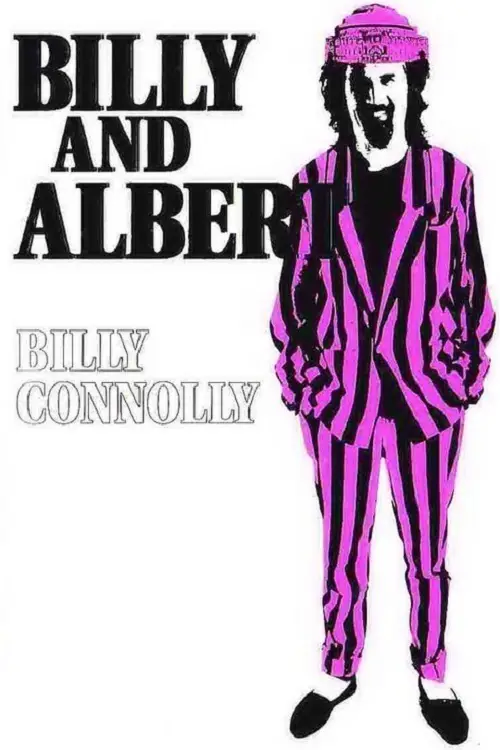
Billy Connolly, captured live on stage at London's Royal Albert Hall in July 1987, offering his own unusual views of (among others) Thatcher and Reagan, Linoleum, Tarantulas And Their Wily Ways and the Khyber Pass...
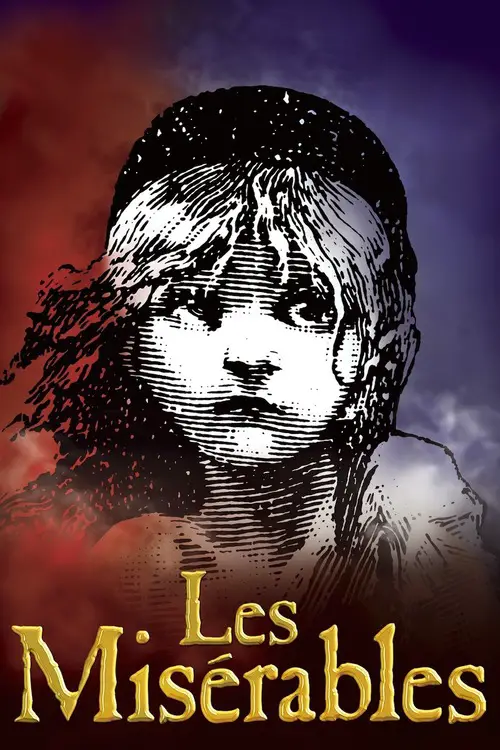
The top stars from the original London and Broadway productions join together with a 150-voice chorus and the Royal Philharmonic Orchestra in London's venerated Royal Albert Hall for a truly magical gala performance of Les Misérables. You'll watch and listen time and again to the magnificent Tony Award-winning score as sung by stars forever linked to these roles.
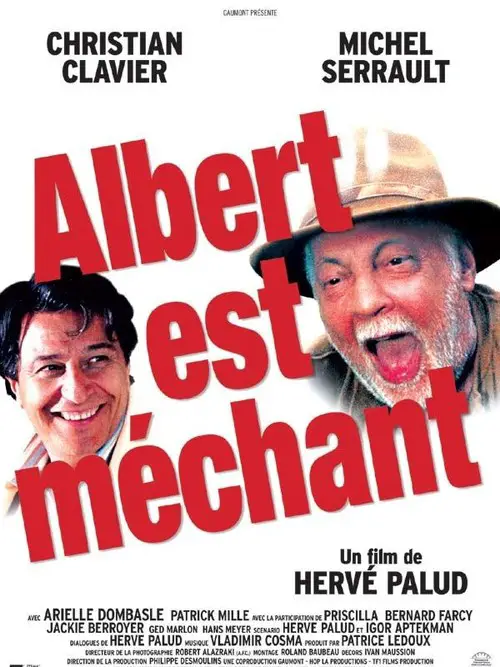
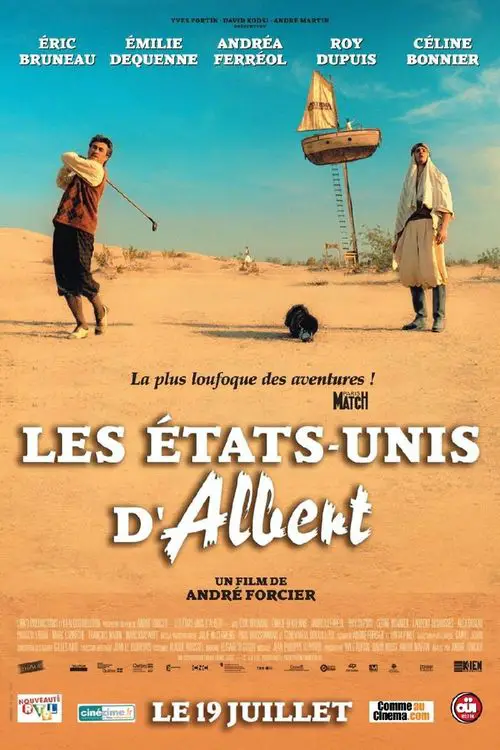
Patrick Lechat, dont la situation financière est au plus mal, apprend la mort de Jo, son père, qu'il n'a jamais connu. Le défunt laisse derrière lui une fortune colossale, qui revient malheureusement à son demi-frère, Albert Moulinot. Patrick lui rend visite au fin fond de la Dordogne, afin de tenter d'obtenir une partie de l'héritage. Rien de plus simple, puisqu'Albert déteste l'argent, tout comme le travail d'ailleurs. Pourtant, Patrick n'est pas au bout de ses peines. Il doit en effet convaincre Albert de le suivre à Paris, où il signera sa renonciation à l'intégralité de l'héritage. Mais le vieil homme, d'un naturel odieux, est bien décidé à rendre la vie impossible à ce neveu qu'il méprise...
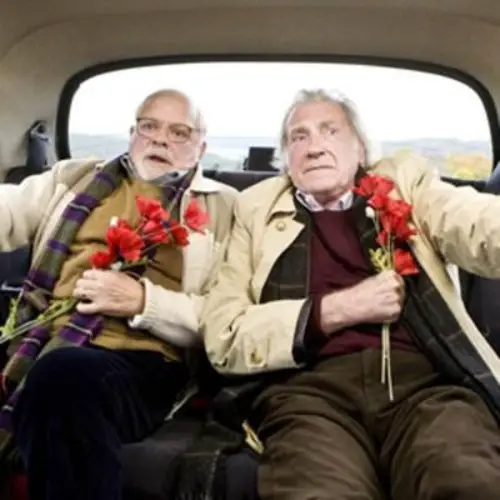
One-off comedy drama that follows the story of three World War II veterans: Harry, Frank and Albert. It is October 2000 and, at the age of 76, Albert's dying wish is to be buried on the little hill outside Hinderburg in Germany where he watched the Russians take position in the closing stages of the Battle for Berlin. The notion of Harry and Frank transporting Albert's body after his death is a crazy one, but life is short, friendship precious and, after all, the trio have known each other for more than half a century.

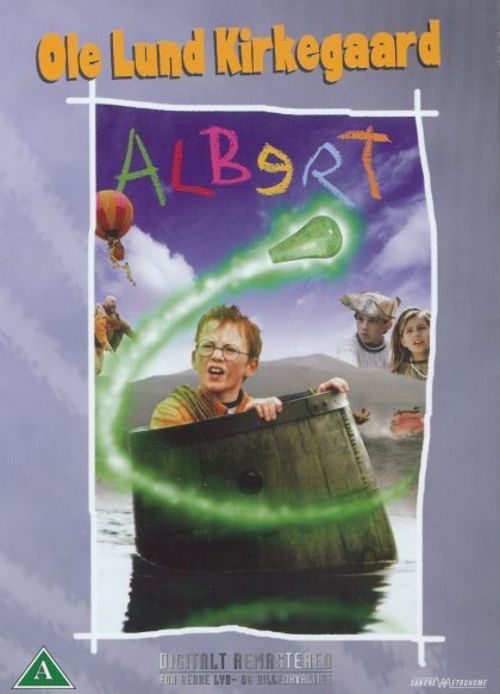
Albert: Up, Up And Away! Is an animated adventure based on the book by beloved Danish children's writer, Ole Lund Kirkegaard. Full of action and laughs, Albert also teaches children an important lesson on the value of friendship as young Albert goes on an epic quest to become a balloon captain.
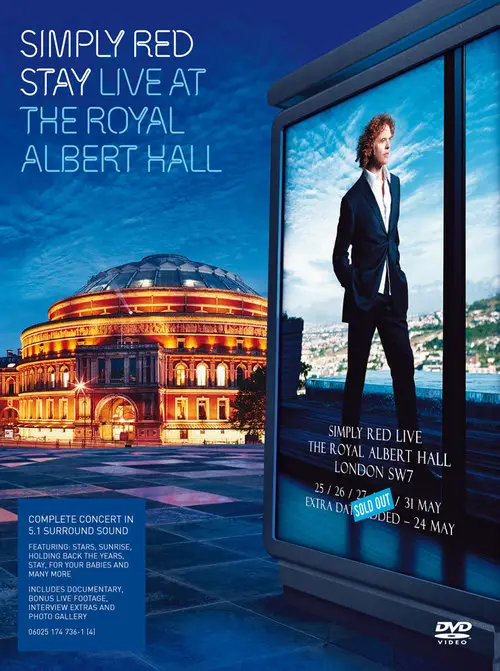
In May 2007, the Royal Albert Hall in London - one of the most famous performing arts venues in the world - became home to Simply Red for six nights. These sold-out dates served to showcase their new album 'Stay' alongside well loved classics from their incredible back catalogue of hits. 'Stay - Live at the Royal Albert Hall' captures the excitement of an evening with Simply Red at one of the world's premier venues but also offers an intimate glimpse of the life backstage from one of Britain's most successful bands ever.
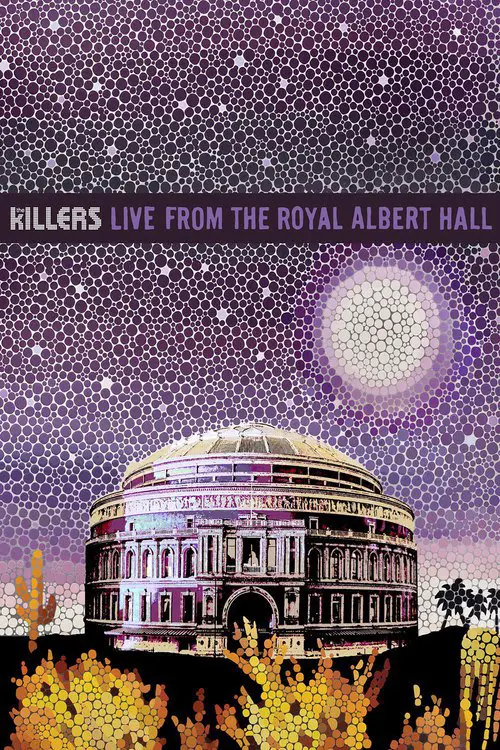
Live from the Royal Albert Hall is a live album and DVD by American rock band The Killers. It was released on November 10, 2009 in the UK, Canada and the US. The album is pulled from two nights the band performed at the Royal Albert Hall in July 2009, and also includes footage from festival dates the band headlined during the middle months of 2009. A CD of live material accompanies the DVD
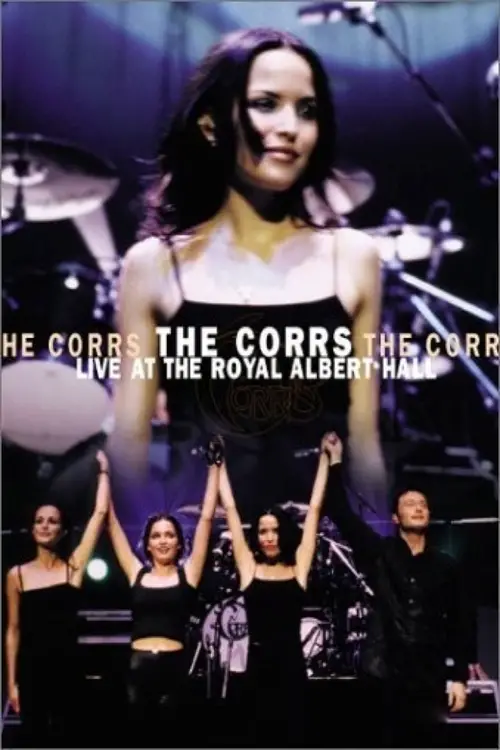
The Corrs, the Irish sibling supergroup, play a special St. Patrick's Day concert at Britain's famous Royal Albert Hall.
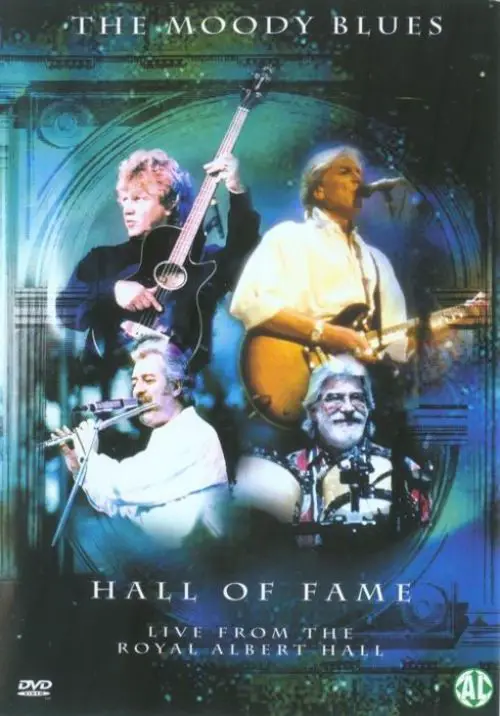
The Moody Blues, famous for their swirling symphonic sounds, fill up the famous Royal Albert Hall with their melancholy melodies. Backed by the World Festival Orchestra conducted by Larry Baird, the Moodies muster up the music that made them famous, including all of their fans' favorites.
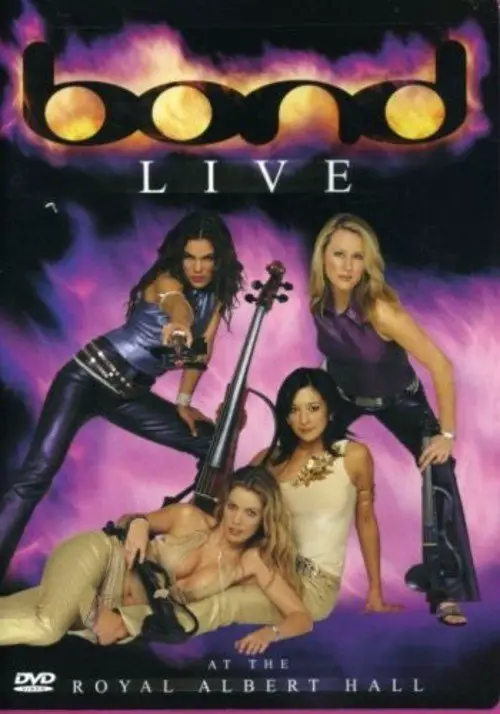
Filmed at their Royal Albert Hall debut gig in September 2000, Bond Live is a slick showcase for four classically trained, ex-session musicians and their fusion of string quartet and rock music. Whatever the hype (four beautiful women wearing scanty tops and dancing with violins while backed by a five-piece rock combo and a small, rarely seen string section), it has nothing to do with making classical music cool and everything to do with sex. In "Duel," first and second violins Haylie Ecker and Eos trade licks "guitar-hero" style, and most of the tracks are new instrumentals written for the album Born, though "The 1812" does manage to reduce Tchaikovsky's overture to a five-minute dance number. With rock-show lighting, synthesizers, dance beats, and a finale involving the "James Bond Theme" followed by a Rio-style fiesta for the closing "Victory--Carnival Mix," this is camp, melodramatic, sexy fun.
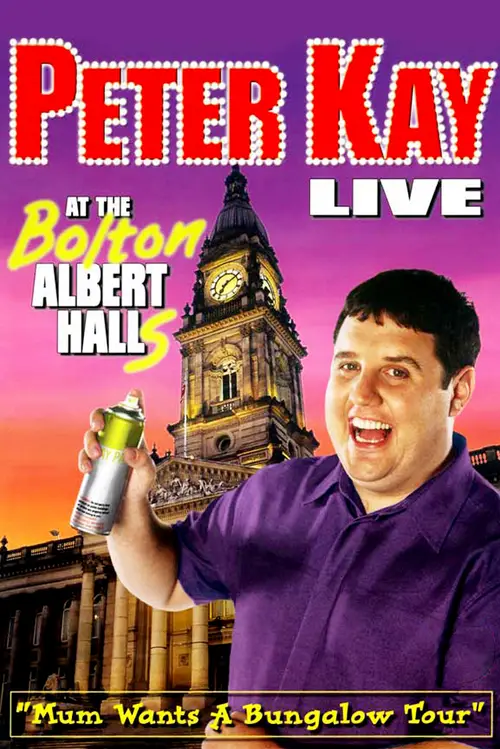
In Live at the Bolton Albert Halls Peter Kay performs his 'Mum Wants A Bungalow Tour' in front of a home town audience.
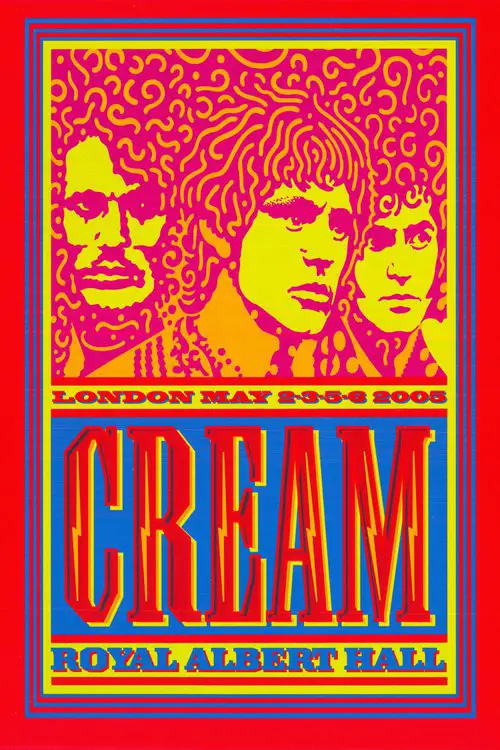
The legendary rock trio of Ginger Baker, Jack Bruce, and Eric Clapton--two jazz musicians and a blues guitarist--was one of the most influential bands of the 1960s, even though they played together for less than three years. They brought their psychedelic fusion of blues and pop into the mainstream with albums like FRESH CREAM and WHEELS OF FIRE; Clapton, long regarded as one of the greatest guitarists of all time, did some of his best work on those albums. London's Royal Albert Hall, the site of what was supposed to be Cream's final performance back in 1968, was also the venue for their reunion show. Sounding as if they'd been on vacation for a few weeks instead of disbanded for well over three decades, Cream brought the house down with a series of four shows, all of which are excerpted here. The band performs classics like "Spoonful," "Born Under a Bad Sign," "Sunshine of Your Love," and "White Room," among more than 20 others.
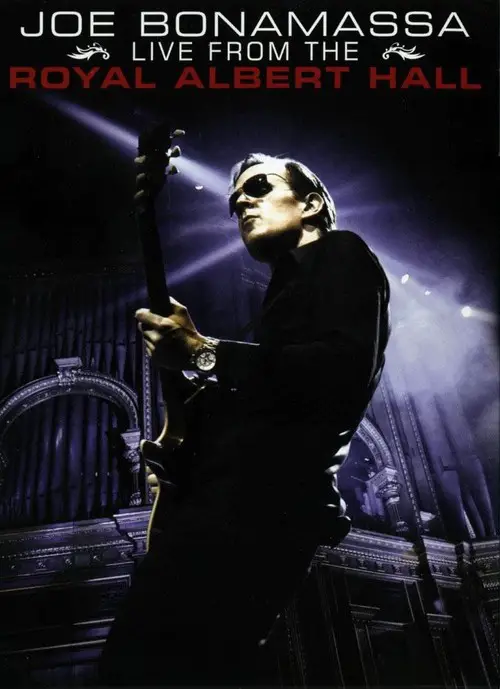
Award-winning blues rock star, guitar hero and singer-songwriter Joe Bonamassa s new release, Joe Bonamassa Live From The Royal Albert Hall, a 2-DVD live set, just made it s debut at #6 on Billboard Magazine s Top Music DVD Chart and #10 on the Top Blues Album Chart. The film, released on October 6 by Bonamassa s record company J&R Adventures, captures the intensity and excitement of the May 2009 show that marked Bonamassa s headlining debut at arguably the most prestigious concert venue in the world. May 4, 2009 was a day 20 years in the making, says Bonamassa. I have never been so honored in my life. It was truly larger than the sum of its parts.
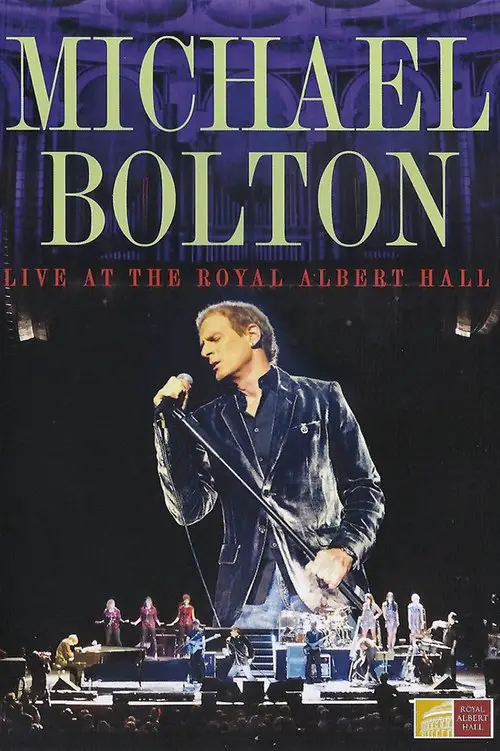
Join Michael Bolton for an unforgettable concert at London's famous Royal Albert Hall as he delivers hit after hit in his trademark soulful style in front of a packed audience. With his inimitable voice, charismatic stage presence and superb songwriting Michael Bolton holds the audience in the palm of his hand as he performs classics such as 'How Am I Supposed To Live Without You?' & 'Time, Love And Tenderness', 'Can I Touch You There'and 'How Can We Be Lovers' alongside his unique interpretations of 'Fly Me To The Moon', 'Summertime', 'That's Life' and '(Sittin' On) The Dock Of The Bay' plus his own rendition of 'Murder My Heart', the hit he co-wrote with Lady Gaga. Simply a wonderful night.
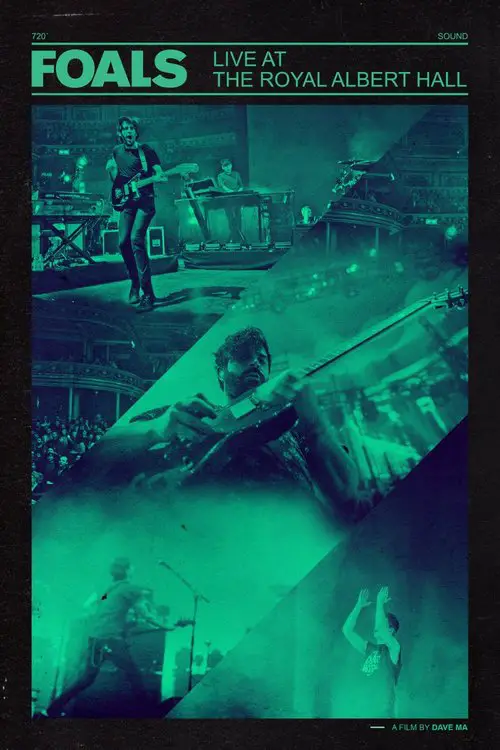
Live performance by English indie band Foals. Filmed at the Royal Albert Hall in London, the band perform a selection of tracks from throughout their career including 'Spanish Sahara', 'Inhaler', 'My Number' and 'Late Night'.
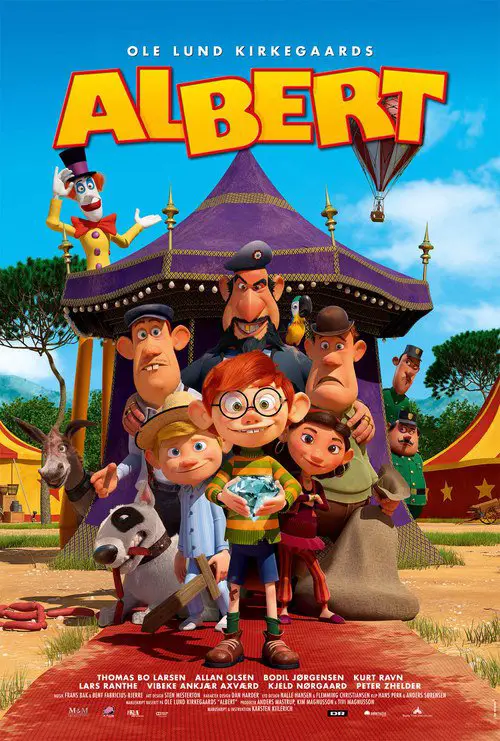
The nice town of Kellyville is too small to accomodate the world's worst scoundrels, Albert and Egon, who decides to go out in the world.
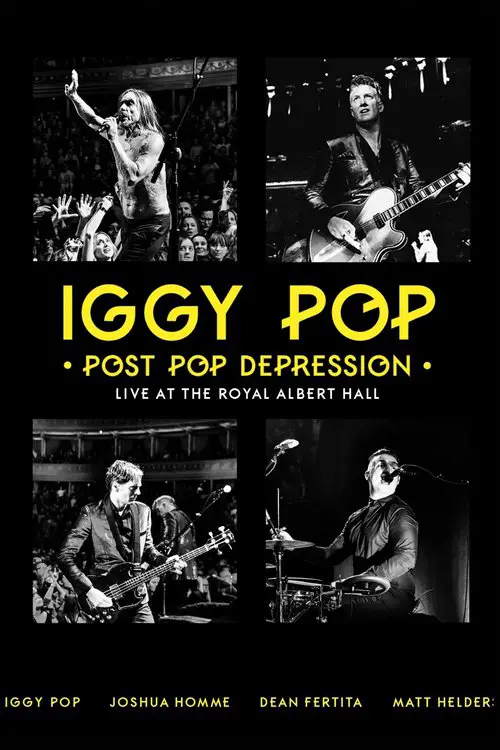
Iggy Pop's Post Pop Depression album, a collaboration with co-writer and producer Joshua Homme from Queens Of The Stone Age, is his most critically acclaimed and commercially successful album for many years. On May 13, 2016, Iggy Pop brought his Post Pop Depression live show to London's revered Royal Albert Hall and almost tore the roof off! With a backing band including Joshua Homme and Dean Fertita from Queens Of The Stone Age and Matt Helders from the Arctic Monkeys, Iggy delivered a set focused almost entirely on the new album plus his two classic David Bowie collaboration albums from 1977, The Idiot and Lust For Life. Fans and critics alike raved about the performance and this will definitely be remembered as one of Iggy Pop's finest concerts.
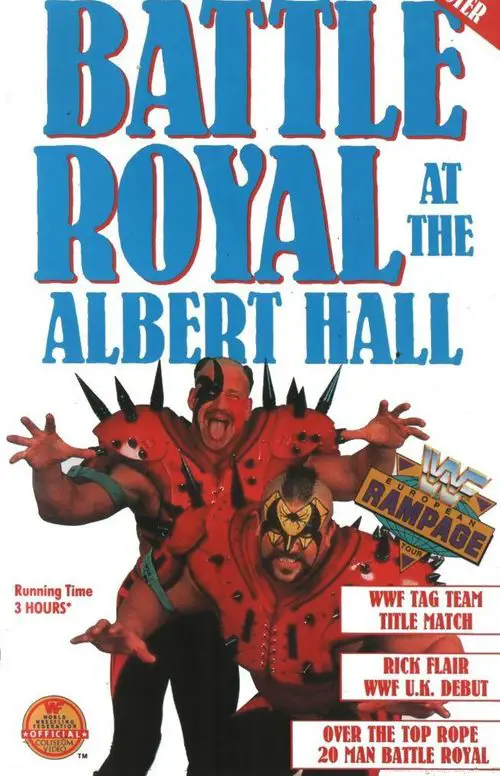
Twenty man over the top rope Battle Royal featuring: The Barbarian, Big Boss Man, Jim Duggan, Earthquake, Ric Flair, Hercules, Marty Jannetty, Brian Knobbs, The Legion of Doom (Hawk and Animal), Shawn Michaels, The Mountie, The British Bulldog, Roddy Piper, Paul Roma, Jerry Sags, Tito Santana, Typhoon, The Undertaker, and Kerry Von Erich Legion of Doom vs Power & Glory The British Bulldog vs The Barbarian Texas Tornado vs The Mountie The Undertaker vs "Hacksaw" Jim Duggan Earthquake vs Big Boss Man Tito Santana vs Ric Flair The Nasty Boys vs The Rockers
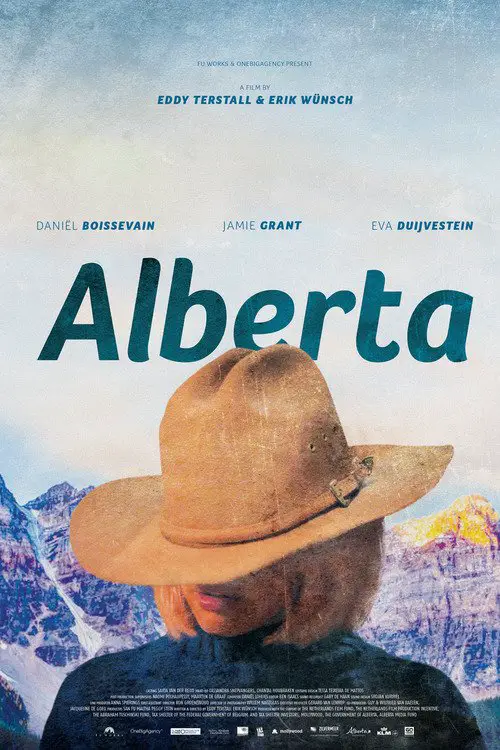
Freek is a 49-year-old advertising executive and media figure. He appears to have it all: he has won many awards in his field, has a great wife Iris and a ten year old adopted son Werner. Iris is 39 and a strong partner, professionally and personally. She's beautiful, smart and a workaholic. Freek is known in the advertising world as a charmer and womanizer. He meets a dazzling young woman, the 24-year-old Alberta, whom he falls for. She persuades him to go to the place she shares a name with; Alberta, in the Canadian Rockies. The plan is to escape life in the Netherlands and paint expressionistic landscapes of the Canadian scenery together. Boredom strikes sooner than anticipated and Alberta goes in search of adventure elsewhere, leaving Freek hopeless and alone. Can he handle life on his own?
Mother and daughter - Big Edie and Little Edie Beale - live with six cats in a crumbling house in East Hampton. Little Edie, in her 50s, who wears scarves and bright colors, sings, mugs for the camera, and talks to Al and David Maysles, the filmmakers. Big Edie, in her 70s, recites poetry, comments on her daughter's behavior, and sings "If I Loved You" in fine voice. She talks in short sentences; her daughter in volumes. The film is episodic: friends visit, there's a small fire in the house, Little Edie goes to the shore and swims. She talks about the Catholic Church. She's ashamed that local authorities raided the house because of all the cats. She values being different.
An old mother and her middle-aged daughter, the aunt and cousin of Jacqueline Kennedy Onassis, live their eccentric lives in a filthy, decaying mansion in East Hampton.
Esther Robinson's portrait of her uncle Danny Williams, Warhol's onetime lover, collaborator and filmmaker in his own right, offers a exploration of the Factory era, an homage to Williams's talent, a journey of family discovery and a compelling inquiry into Williams's mysterious disappearance at age 27.
My film diaries 1970-1979: my marriage, children are born, you see them growing up. Footage of daily life, fragments of happiness and beauty, trips to France, Italy, Spain, Austria. Seasons of the year as they pass through New York. Friends, home life, nature, unending search for moments of beauty and celebration of life friendships, feelings, brief moments of happiness. The film is also my love poem to New York. Itâs the ultimate Dogme movie, before the birth of Dogme.
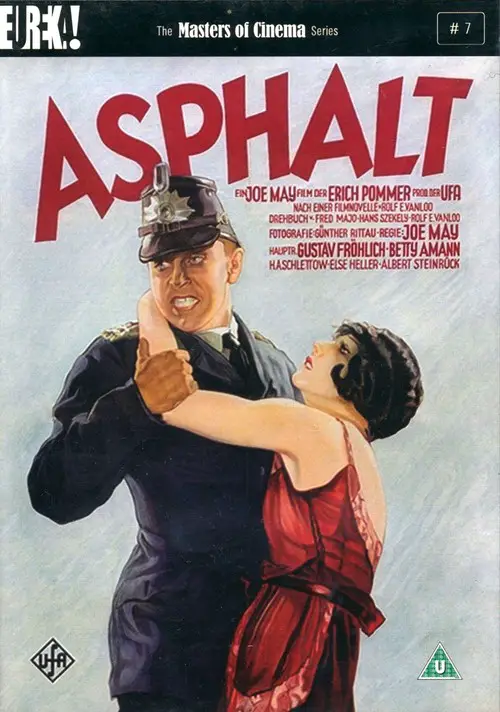
One of the last great German Expressionist films of the silent era, Joe Mayâs Asphalt is a love story set in the traffic-strewn Berlin of the late 1920s. Starring the delectable Betty Amann in her most famous leading role, Asphalt is a luxuriously produced Ufa classic where tragic liaisons and fatal encounters are shaped alongside the constant roar of traffic.
"A motion picture composed of brief diaristic scenes not used in completed films from the years 1960-2000; and self-referential video footage taped during the editing. Brief glimpses of family, friends, girl-friends, the City, seasons of the year, travels. Occasionally I talk, reminisce, or play music I taped during those earlier years, plus more recent piano improvisations by Auguste Varkalis. It's a kind of autobiographical, diaristic poem, celebration of happiness and life. I consider myself a happy man." - Jonas Mekas
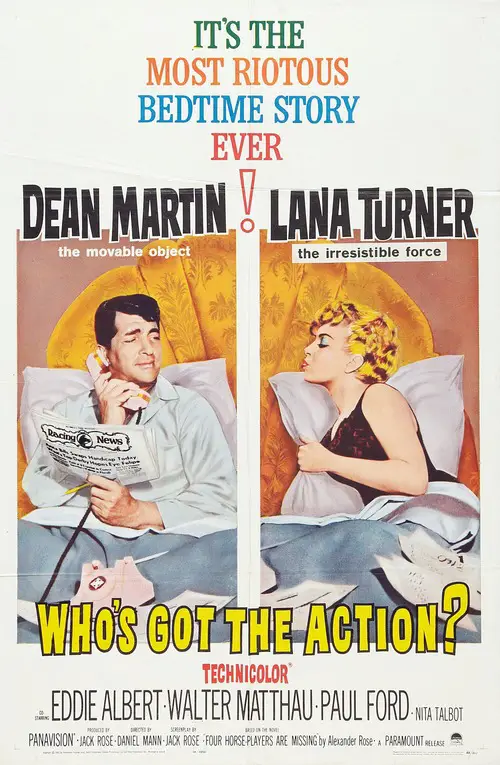
A lawyer begins to win after his wife secretly becomes his bookie to save their money.
Elio Gelmini interviews Avantgarde filmmaker Kenneth Anger. With archive footage of Angers films, he portrays the filmmaker from his childhood until present day.
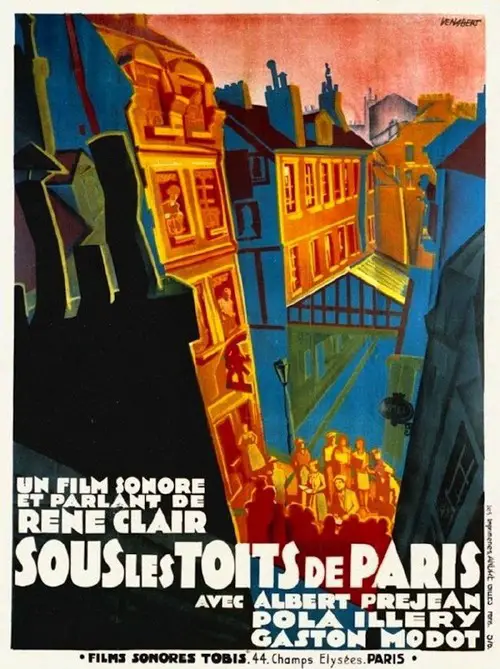
Albert is smitten for Pola but ends up wrongly committed in jail, in the meantime her affections are sought after by his friend, and on his release both love and friendship must be tested.
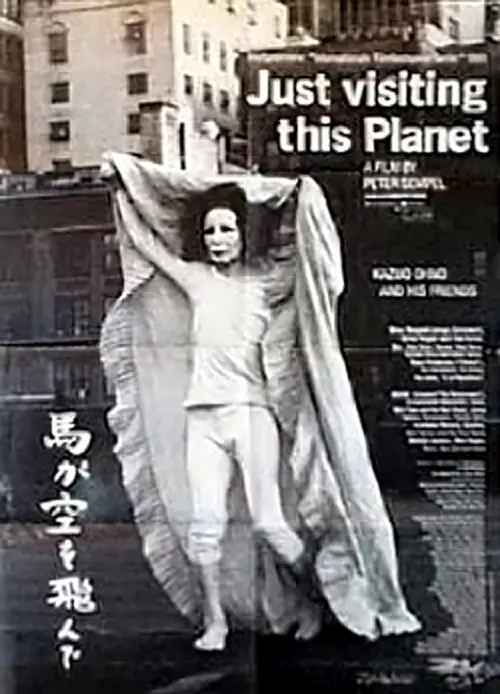
Peter Sempel's masterful poetic film tribute to butoh performer Kazuo Ohno.
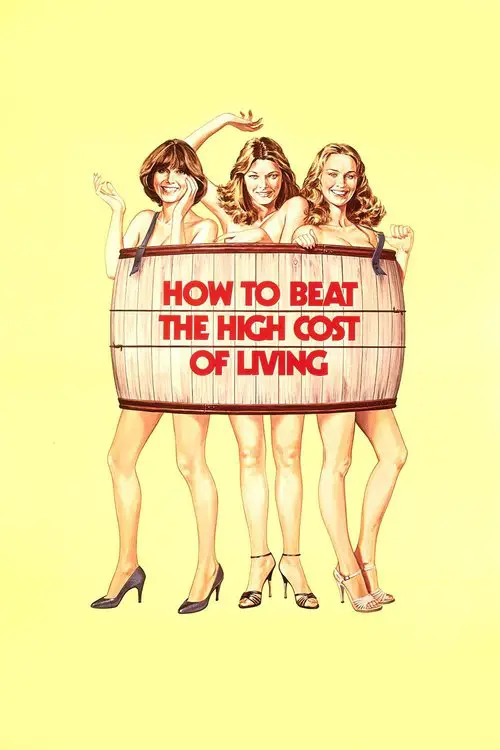
Oregon, 1980: Jane, Elaine and Louise are all feeling the effects of inflation and cannot afford, as the title states, the high cost of living. Jane cannot afford a babysitter or get married and if she wants privacy with her boyfriend, she has to sleep in the car. Even worse, her war veteran father comes to live with her to turn her life upside down. Louise lives a happy life with her veterinarian husband, Albert. She runs an antique shop on the side, but since it doesn't take in any profit, the IRS considers it a hobby. She needs to come up with the money to keep it going, or she will be trouble with the IRS. Elaine's husband has left her for another woman and without any money. She is in a constant struggle with banks, power companies, and gas stations. She needs money to get by and also catches the eye of police officer Jack. The local mall is having a contest that features a giant money ball that states it will help fight the inflation...
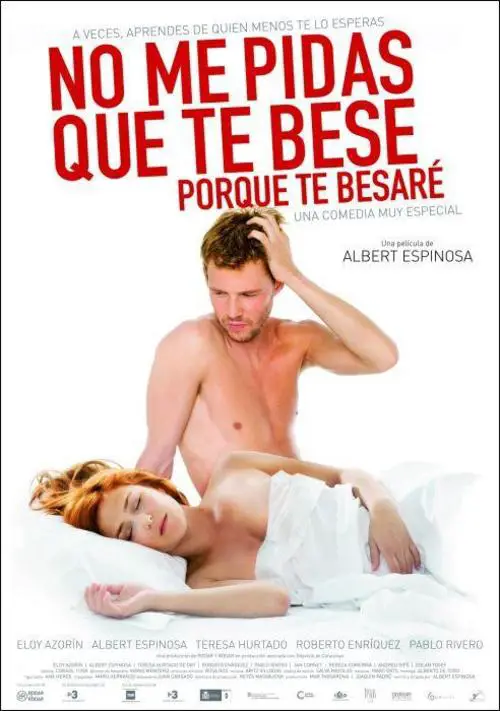
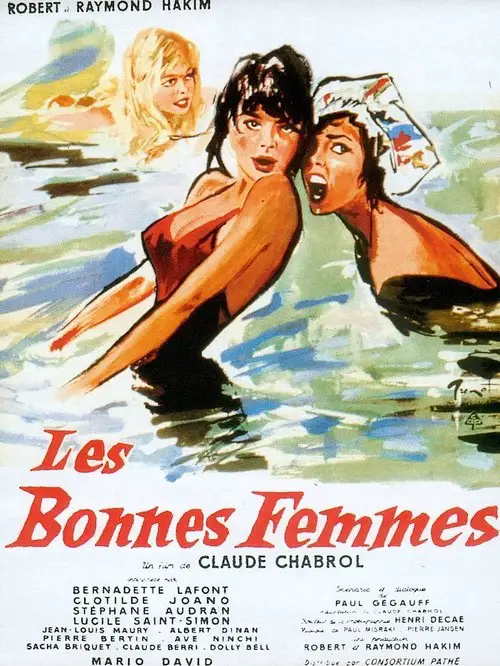
Ginette, Rita, Jacqueline and Jane try to find fulfillment and love in their lives. Rita has a fiancé whose family is obsessed with social distinction; Jane has a boy-friend in the army, but does not hesitate to enjoy herself with chance encounters; Ginette has a mysterious passion that keeps her away from her colleagues at nights. Jacqueline is lonely; but who is that mysterious bike-rider who is
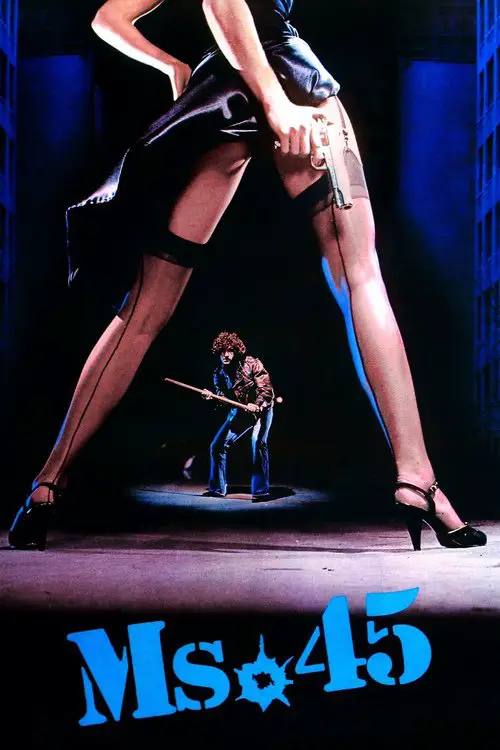
A shy and mute seamstress goes insane after being attacked and raped twice in one day. She wanders the New York streets at night in a sexy black dress with her attacker's gun strapped to her garter belt, blowing away any man who tries to pick her up.
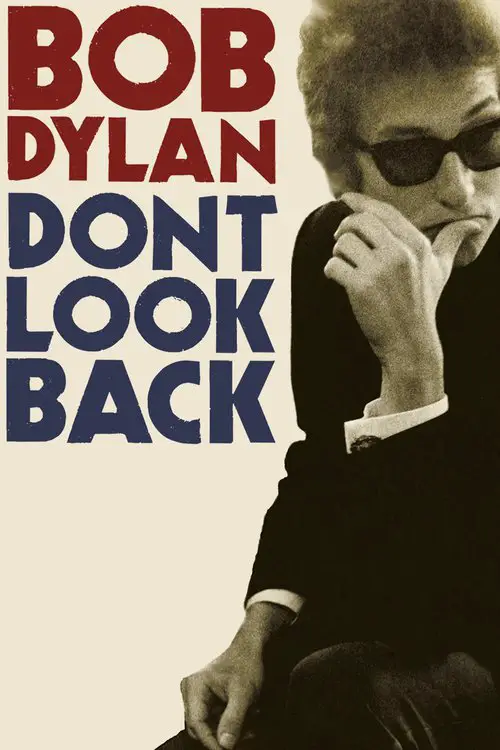
In this wildly entertaining vision of one of the twentieth centuryâs greatest artists, Bob Dylan is surrounded by teen fans, gets into heated philosophical jousts with journalists, and kicks back with fellow musicians Joan Baez, Donovan, and Alan Price.
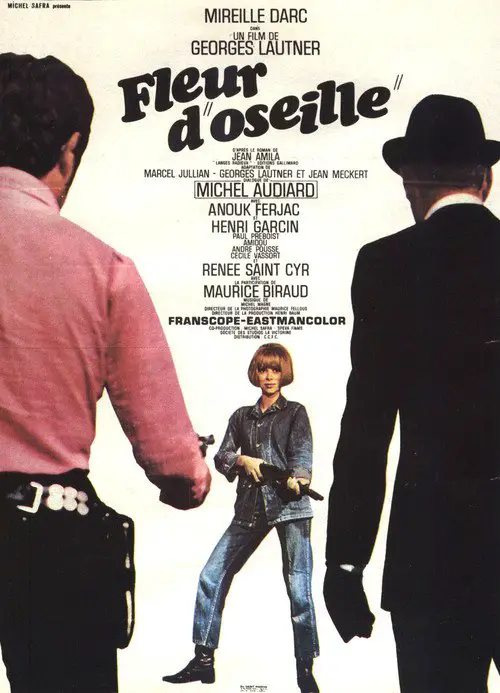
Catherine is left unmarried and pregnant when her mobster sweetheart is killed in this gangster comedy. With the help of another unmarried mother-to-be, Catherine goes looking for the stash of cash buried by her lover before his death. Soon other thugs and her suspicious neighbors are following their every move in an attempt to recover the lost loot...
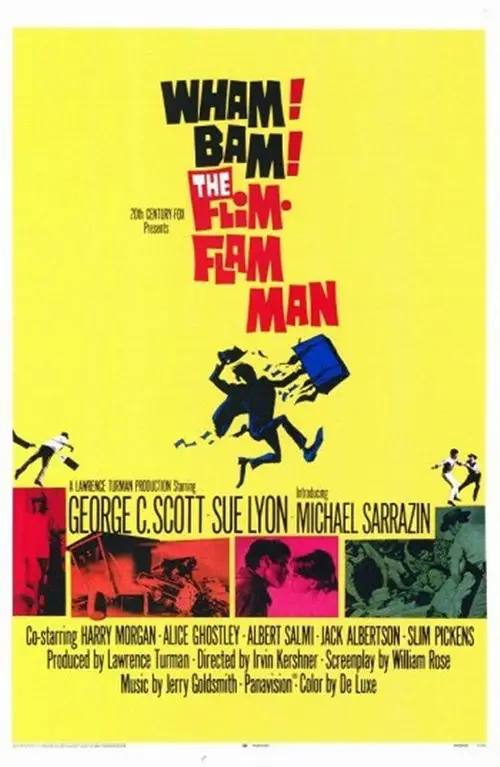
Mordrcai Jones (George C. Scott) is a rural con artist (a 'flim flam man') who takes on a young army deserter Curley (Michael Sarrazin) as his protégé and teaches him the tricks of the trade. Sheriff Slade (Harry Morgan) is in hot pursuit of the pair and rich girl Bonnie Lee Packard (Sue Lyon) becomes romantically involved with Curley and helps the fleeing duo stay one step ahead of the sheriff. The film features a great automobile chase scene for those who appreciate this kind of cinema hijinks. Screenplay by William Rose ("It's a Mad, Mad, Mad, Mad World").
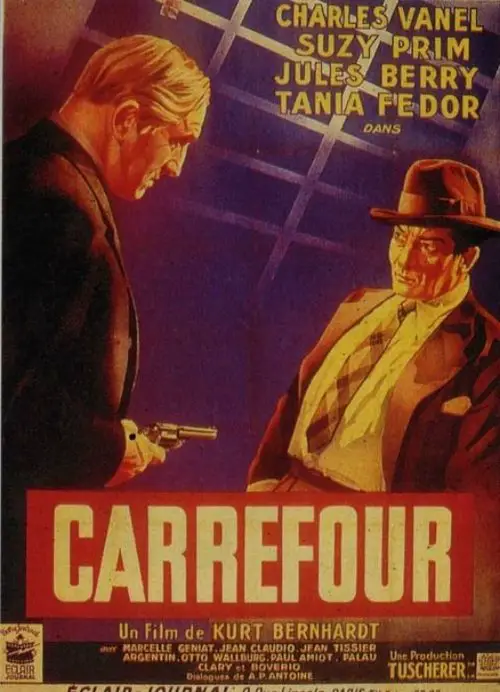
A wealthy industrialist, Roger de Vetheuil, married, feels assured of aging in peace. Then appears a blackmailer who accuses him of being a usurper, actually called Jean Pelletier, a mobster well known to police. Vetheuil, judging himself slandered, refuses to listen to his tormentor and goes to the police. The man speaks. The scandal is public soon ...
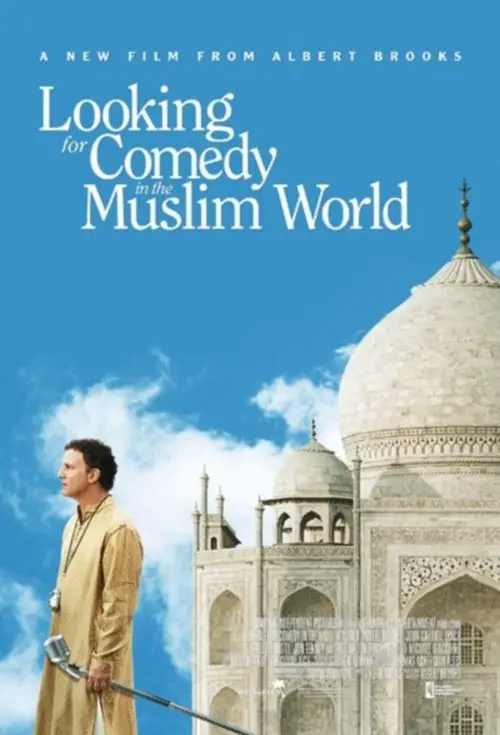
To improve its relations with Muslim countries, the United States government sends comedian Albert Brooks to south Asia to write a report on what makes followers of Islam laugh.
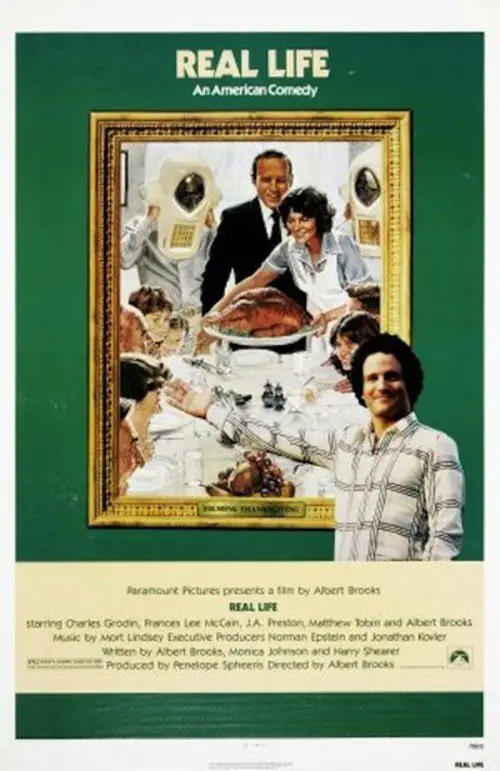
A pushy, narcissistic filmmaker persuades a Phoenix family to let him and his crew film their everyday lives...
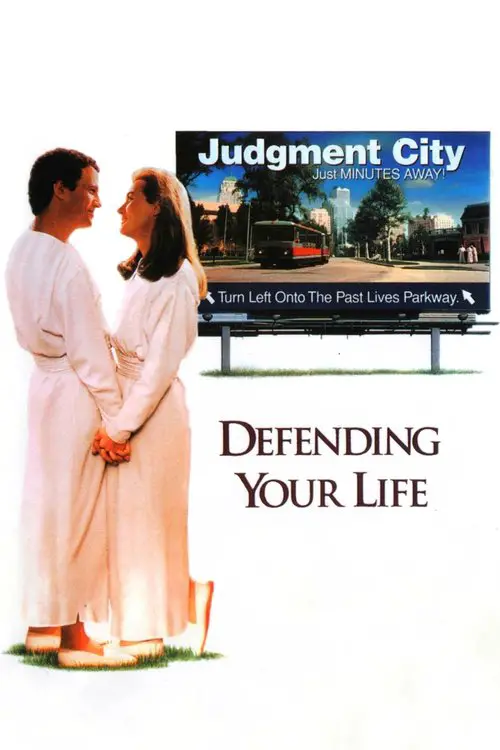
In an afterlife resembling the present-day US, people must prove their worth by showing in court how they have demonstrated courage.
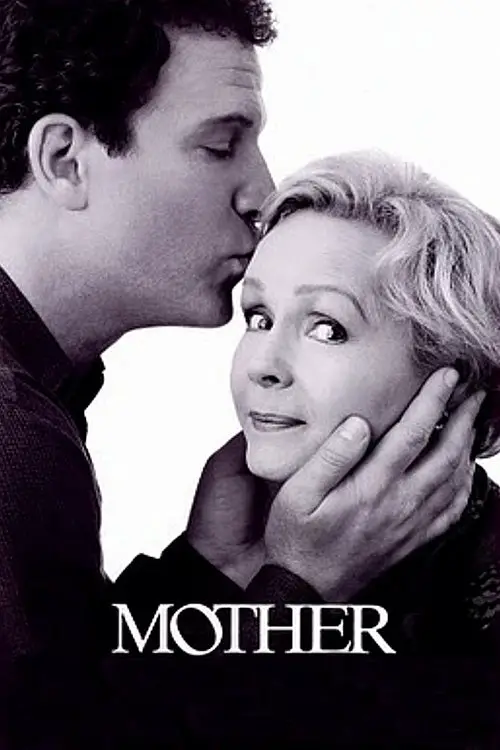
After two failed marriages a science fiction writer decides that coming to terms with his mother will improve his chances for a successful relationship, so he moves in with her.
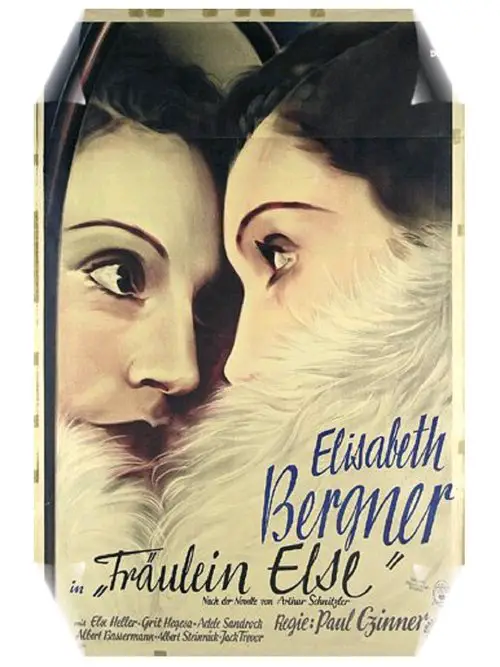
Fräulein Else (English: Miss Else) is a 1929 German silent drama film directed by Paul Czinner and starring Elisabeth Bergner, Albert Bassermann and Albert Steinrück. It was based on the 1924 novella of the same name by Arthur Schnitzler. Bergner had previously played her role on stage to great acclaim. However, it was felt that the film was hindered by being silent given the strength of the story's dialogue.
This biographical drama/part-time documentary, narrative written by Dr. Albert Schweitzer and spoken by Frederic March, traces the life of Dr. Schweitzer (with actors playing the characters), from his birth in France up to about the age of 30 when he makes the decision to go to French Equatorial Africa and build his jungle hospital. The latter half of the film encompasses a full day in the hospital-village following the 80s-plus Samaritan in his daily rounds.
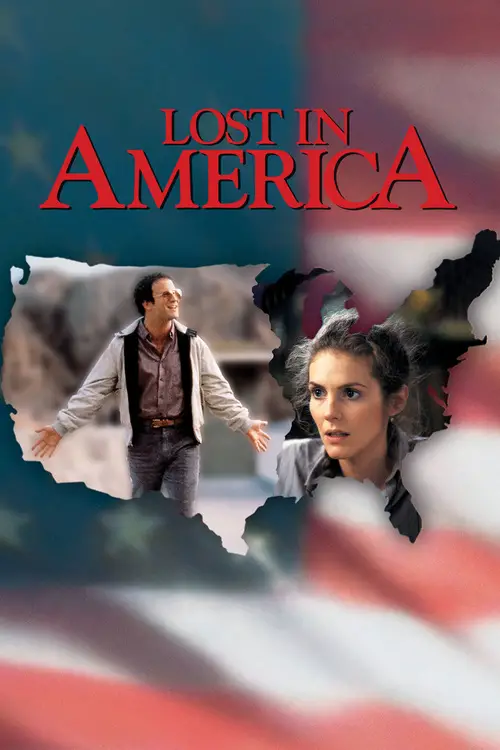
David and Linda Howard are successful yuppies from LA. When he gets a job disappointment, David convinces Linda that they should quit their jobs, liquidate their assets, and emulate the movie Easy Rider, spending the rest of their lives traveling around America...in a Winnebago.
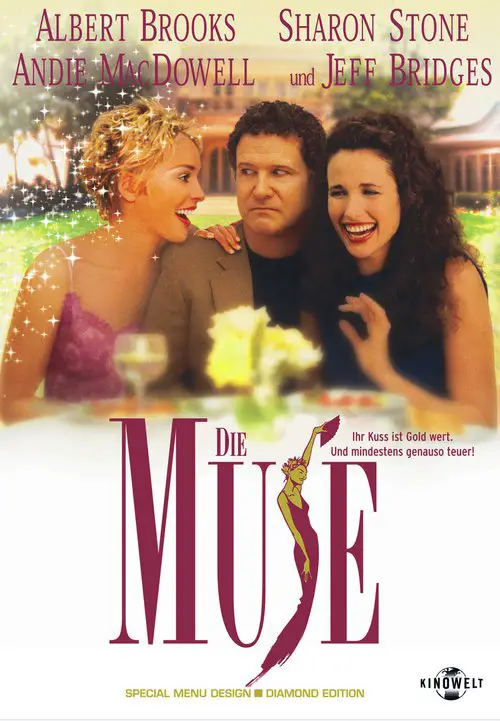
What happens when a screenwriter (Brooks) loses his edge, he turns to anyone he can for help... even if it's the mythical "Zeus's Daughter" (Stone). And he's willing to pay, albeit reluctantly, whatever price it takes to satisfy this goddess, especially when her advice gets him going again on a sure-fire script. However, this is not the limit of her help, she also gets the writer's wife (MacDowell) going on her own bakery enterprise, much to the chagrin of Brooks, who has already had to make many personal sacrifices for his own help.
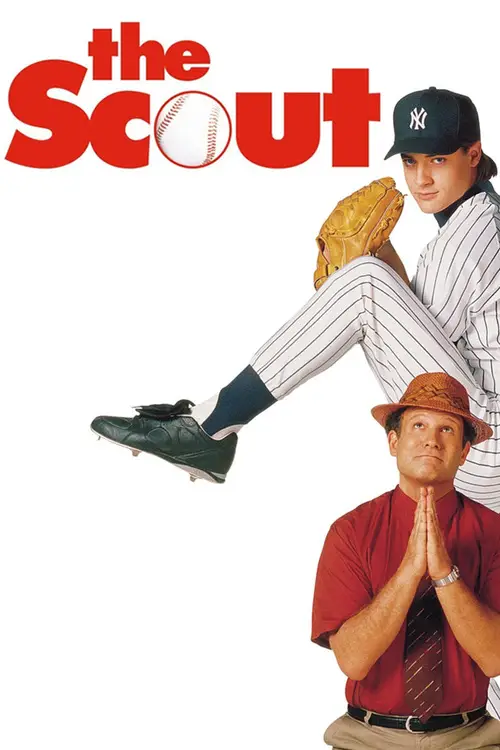
When his star recruit botches a Major League Baseball debut, humiliated talent scout Al Percolo (Albert Brooks) gets banished to rural Mexico, where he finds a potential gold mine in the arm of young phenom Steve Nebraska (Brendan Fraser). Soon, the Bronx Bombers put a $55 million contract on the table -- provided a psychiatrist (Dianne Wiest) can affirm Nebraska's mental stability. Watch for Yankees owner George Steinbrenner's cameo.
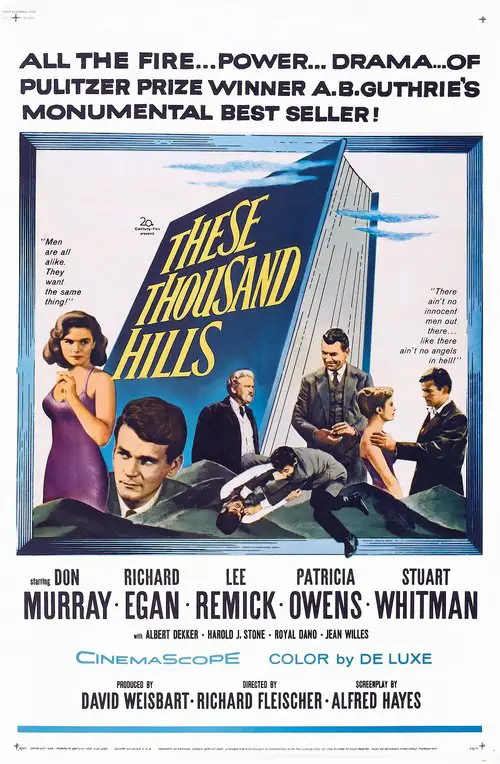
A cowboy (Don Murray) tries for easy money with his partner, then tries ranching with a saloon hostess's (Lee Remick) money.
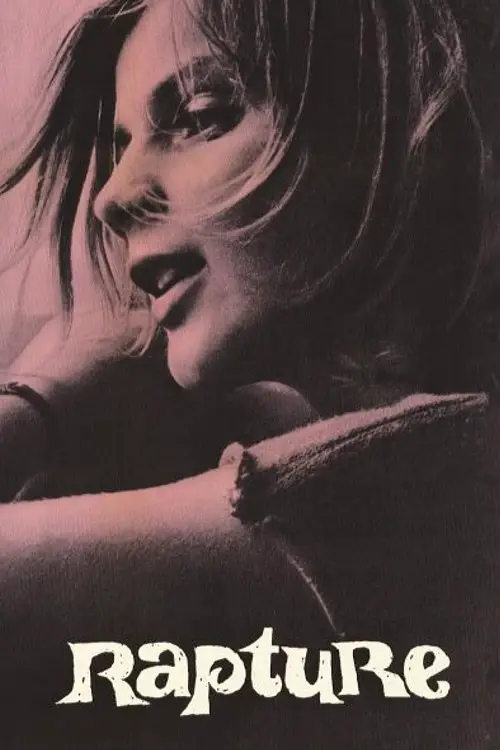
Agnes, a lonely teenage girl, and her father befriend an escaped convict, named Joseph, who arrives at their farm in Brittany, France. When Joseph develops an attraction to Agnes, her father threatens to break up the union.
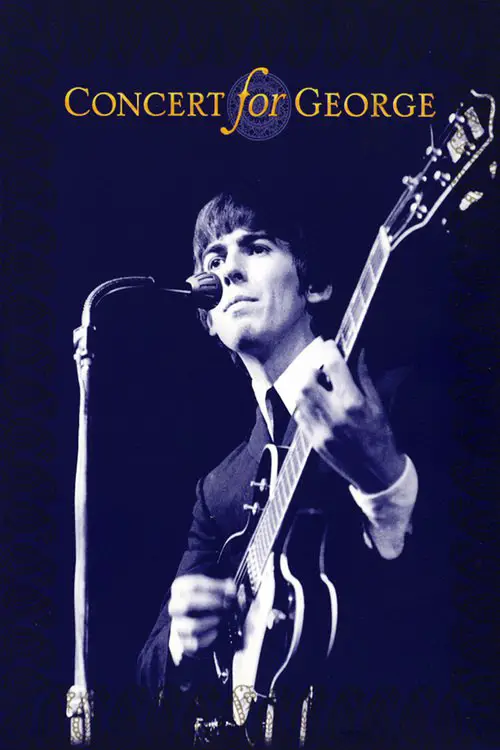
As a memorial to George Harrison on the first anniversary of his passing, The Concert for George was held at the Royal Albert Hall in London on 29 November 2002 . Organized by Harrison's widow, Olivia, and son, Dhani, and arranged under the musical direction of Eric Clapton and Jeff Lynne.
Mother and daughter - Big Edie and Little Edie Beale - live with six cats in a crumbling house in East Hampton. Little Edie, in her 50s, who wears scarves and bright colors, sings, mugs for the camera, and talks to Al and David Maysles, the filmmakers. Big Edie, in her 70s, recites poetry, comments on her daughter's behavior, and sings "If I Loved You" in fine voice. She talks in short sentences; her daughter in volumes. The film is episodic: friends visit, there's a small fire in the house, Little Edie goes to the shore and swims. She talks about the Catholic Church. She's ashamed that local authorities raided the house because of all the cats. She values being different.
An old mother and her middle-aged daughter, the aunt and cousin of Jacqueline Kennedy Onassis, live their eccentric lives in a filthy, decaying mansion in East Hampton.
IRIS pairs legendary 87-year-old documentarian Albert Maysles with Iris Apfel, the quick-witted, flamboyantly dressed 93-year-old style maven who has had an outsized presence on the New York fashion scene for decades. More than a fashion film, the documentary is a story about creativity and how, even in Irisâ dotage, a soaring free spirit continues to inspire. IRIS portrays a singular woman whose enthusiasm for fashion, art and people are lifeâs sustenance and reminds us that dressing, and indeed life, is nothing but an experiment.
This documentary of the Rolling Stones' 1969 US tour has become a legendary, harrowing symbol of the tragic demise of the "Peace and Love" era. After a successful tour across the US, the Rolling Stones gave a free December concert at Altamont Speedway in California with the Grateful Dead, Ike and Tina Turner, Jefferson Airplane, and the Flying Burrito Brothers. The band unwisely selected the Hells Angels to provide security, and the bikers resorted to violence to keep the stoned, restless, and often naked crowd in line. The result: dozens of injuries and the on-screen stabbing of a young black man (during "Sympathy for the Devil") by one of the concert's staff security. In a manipulative but effective move, the Maysles brothers filmed Mick Jagger in the editing room witnessing the on-camera murder for the first time. The film also works as a rock-and-roll document, capturing the band at their most relaxed, intoxicating, and electrifying.
"The Love We Make", a film directed by Albert Maysles ("Gimme Shelter") and Bradley Kaplan, follows Paul McCartney as he journeys through the streets of New York City in the aftermath of the destruction of the World Trade Center on September 11th, 2001. It also chronicles the planning and performance of the benefit concert that took place less than six months after the attacks: "The Concert For New York City".
In March 1987, pianist Vladimir Horowitz embarked on an
extraordinary project. For the first time in 35 years, he
agreed to record with a symphony orchestra in a studio.
He chose the conductor, Carlo Maria Giulini, the orchestra,
the La Scala Philharmonic, and the location, the Abanella
recording studio of La Scala in Milan. Horowitz steadfastly
refused to allow the month-long sessions to be filmed, until
the evening before the last scheduled session when he
unexpectedly changed his mind. His manager, Peter Gelb,
immediately telephoned Albert Maysles and Susan Froemke
in New York, the co-filmmakers of "Vladimir Horowitz:
The Last Romantic." That same night, the Maysles film
crew flew from New York.
A documentary on New York Cityâs biggest public art project ever, an installation called âThe Gatesâ by Christo and Jeanne Claude.
My film diaries 1970-1979: my marriage, children are born, you see them growing up. Footage of daily life, fragments of happiness and beauty, trips to France, Italy, Spain, Austria. Seasons of the year as they pass through New York. Friends, home life, nature, unending search for moments of beauty and celebration of life friendships, feelings, brief moments of happiness. The film is also my love poem to New York. Itâs the ultimate Dogme movie, before the birth of Dogme.
"A motion picture composed of brief diaristic scenes not used in completed films from the years 1960-2000; and self-referential video footage taped during the editing. Brief glimpses of family, friends, girl-friends, the City, seasons of the year, travels. Occasionally I talk, reminisce, or play music I taped during those earlier years, plus more recent piano improvisations by Auguste Varkalis. It's a kind of autobiographical, diaristic poem, celebration of happiness and life. I consider myself a happy man." - Jonas Mekas
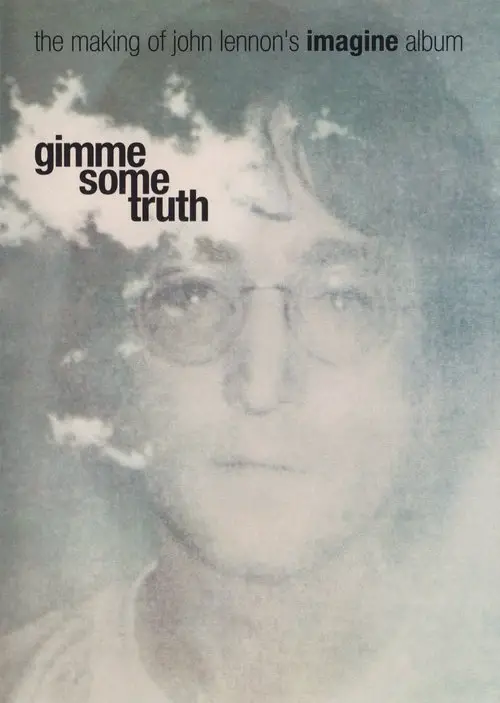
An instant classic when released in September 1971, John Lennon's Imagine was the ex-Beatle's solo masterpiece, and its musical legacy is matched here by priceless footage of Lennon's creative process, independently edited from original 16-millimeter footage by producer-director Andrew Solt with the hands-off approval of Lennon's widow, Yoko Ono. Incorporating footage from John and Yoko's original film Imagine (clips of which were previously included in the 1988 documentary Imagine: John Lennon), Gimme Some Truth presents Lennon, Ono, coproducer Phil Spector, and a host of gifted musicians in a fluid context of conflict, community, and craftsmanship. Bearing witness to every stage of the recording process, this 63-minute documentary succeeds as a visual diary, a study of familiar music in its infancy, and a revealing portrait of the then-30-year-old Lennon--from witty clown to confrontational perfectionist--at the peak of his post-Fab Four inspiration.
To improve its relations with Muslim countries, the United States government sends comedian Albert Brooks to south Asia to write a report on what makes followers of Islam laugh.
A pushy, narcissistic filmmaker persuades a Phoenix family to let him and his crew film their everyday lives...
In an afterlife resembling the present-day US, people must prove their worth by showing in court how they have demonstrated courage.
After two failed marriages a science fiction writer decides that coming to terms with his mother will improve his chances for a successful relationship, so he moves in with her.
David and Linda Howard are successful yuppies from LA. When he gets a job disappointment, David convinces Linda that they should quit their jobs, liquidate their assets, and emulate the movie Easy Rider, spending the rest of their lives traveling around America...in a Winnebago.
What happens when a screenwriter (Brooks) loses his edge, he turns to anyone he can for help... even if it's the mythical "Zeus's Daughter" (Stone). And he's willing to pay, albeit reluctantly, whatever price it takes to satisfy this goddess, especially when her advice gets him going again on a sure-fire script. However, this is not the limit of her help, she also gets the writer's wife (MacDowell) going on her own bakery enterprise, much to the chagrin of Brooks, who has already had to make many personal sacrifices for his own help.
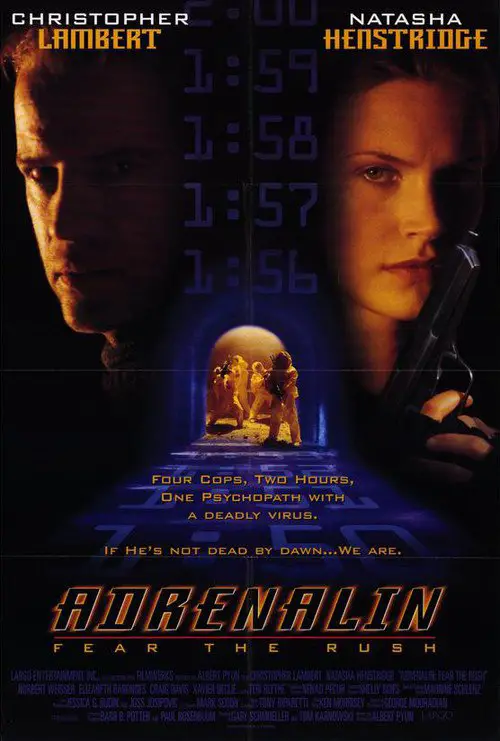
In a not-too-distant future, a lethal virus sweeps across Europe, prompting the creation of quarantine refugee camps in the United States. Police officers Delon (Natasha Henstridge) and Lemieux (Christopher Lambert) learn of a grisly murder in the Boston camp and team up to investigate. Suspecting the ruthless killer is infected with the virus, the pair have just hours to stop him before he becomes contagious and infects the entire population.
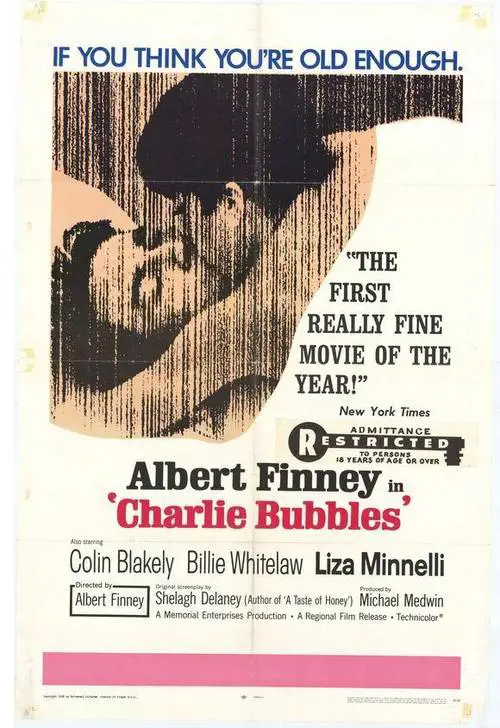
Charlie Bubbles, a writer, up from the working class of Manchester, England, who, in the course of becoming prematurely rich and famous, has mislaid a writer's basic tool - the capacity to feel and to respond. Now he must visit his estranged wife and son, whom he has set up on a farm outside his native city. His journey accidentally becomes an attempt to reestablish his connections with life, people, and his own history
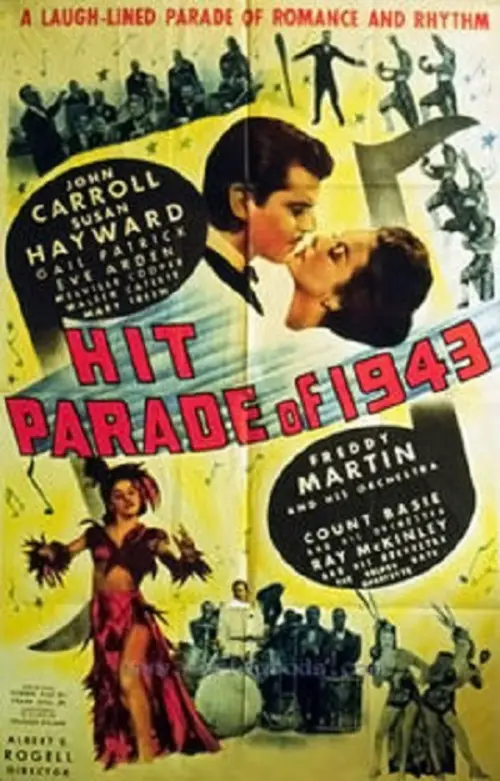
One of the many films made at Republic with a year attached to the "Hit Parade" title, which came from the "Hit Parade" radio program sponsored by Lucky Strike cigarettes.
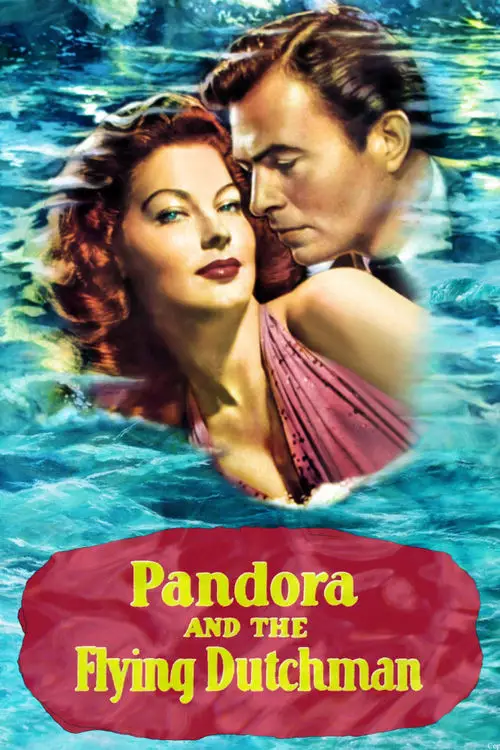
Albert Lewin's interpretation of the legend of the Flying Dutchman. In a little spanish seaport named Esperanza, during the 30s, appears Hendrick van der Zee, the mysterious captain of a yacht (he is the only one aboard). Pandora is a beautiful woman (who men kill and die for). She's never really fallen in love with any man, but she feels very attracted by Hendrick... We are soon taught that Hendrick is the Flying Dutchman, this sailor of the 17th century that has been cursed by God to wander over the seas until the Doomsday... unless a woman is ready to die for him...
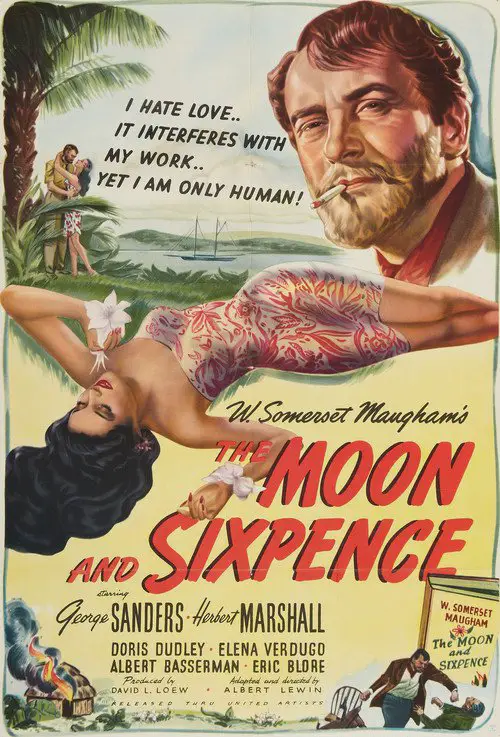
Loosely inspired from Gauguin's life, the story of Charles Strickland, a middle-aged stockbrocker who abandons his middle-classed life, his family, his duties to start painting, what he has always wanted to do. He is from now on a awful human being, wholly devoted to his ideal: beauty.
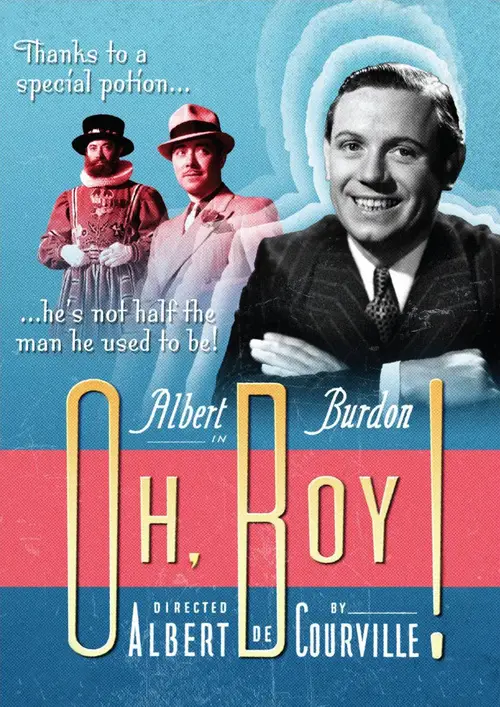
A mysterious scientist presents a timid chemist with an elixir which turns him from a weakling into a confident, vital male, able to defeat his rival and impress the girl of his choice. The only problem is that this mysterious substance has the unexpected result of causing him to revert gradually to babyhood...
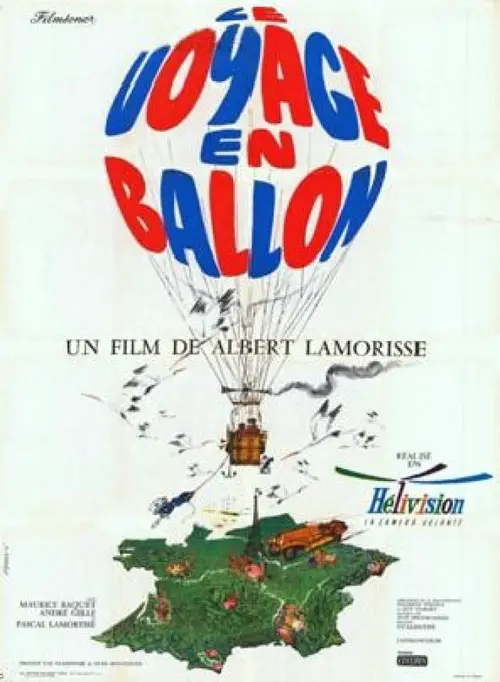
Originally titled Le Voyage en Ballon, Stowaway in the Sky is a disarmingly simple French-made children's story. The plot is implicit in the title: A small child, fascinated by a lighter-than-air balloon, clambers aboard. The balloon takes flight, lifting the child upward to an amazing adventure. The land-bound adults have conniptions as the balloon wafts by; the child has nothing more than a great time. The film was directed by Albert Lamorisse, who earlier produced a similar-themed, award winning short subject, The Red Balloon. Released in France in 1960, then distributed in the US four years later by United Artists.
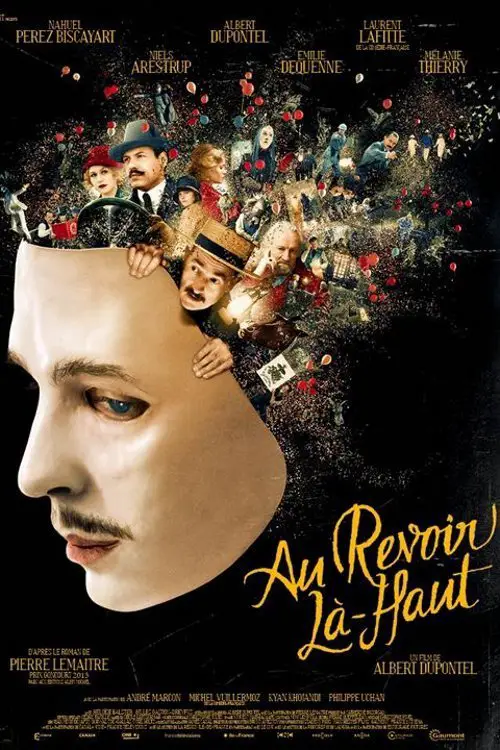
November 1918. A few days before the Armistice, Ãdouard Péricourt saves Albert Maillard's life. These two men have nothing in common but the war. Lieutenant Pradelle, by ordering a senseless assault, destroys their lives while binding them as companions in misfortune. On the ruins of the carnage of WWI, condemned to live, the two attempt to survive. Thus, as Pradelle is about to make a fortune with the war victims' corpses, Albert and Ãdouard mount a monumental scam with the bereaved families' commemoration and with a nation's hero worship.
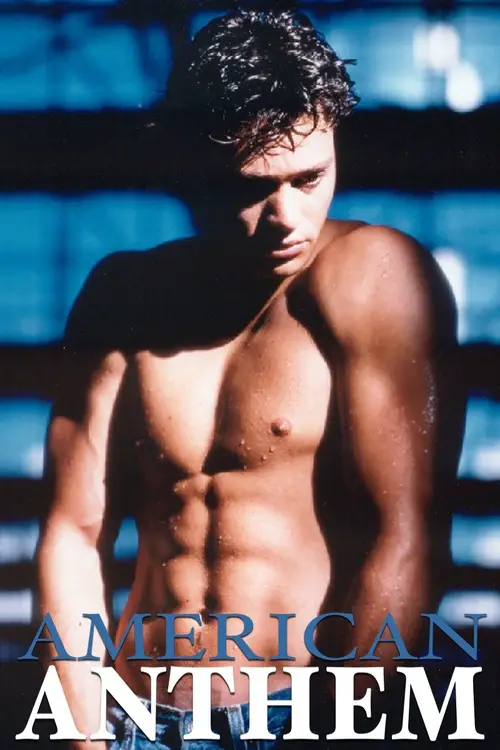
Steve is a talented gymnast who has given up competition and is working at his father's bike shop. Julie is the new girl at his old gym, who has moved to town to train with their powerful coach. Inspired by Julie, Steve resumes training. While dealing with the conflicts in their personal lives and the stress of training, they prepare for the US Olympic Trials.
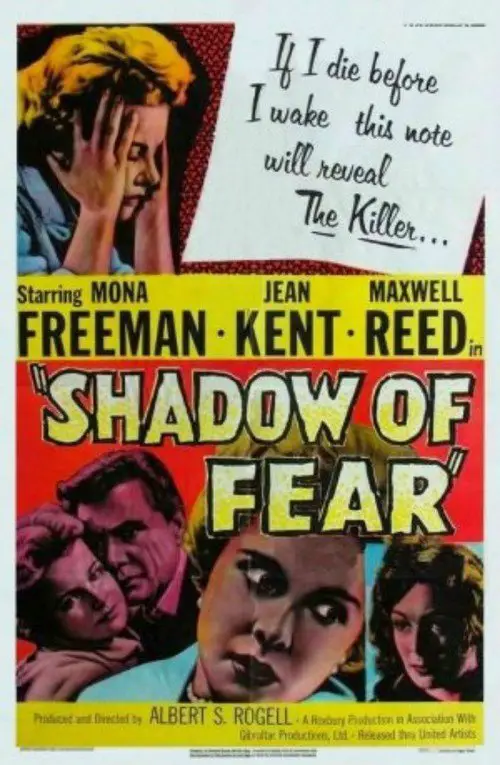
A woman travels to England to attend her parents' funeral. She is told by officials that they died of natural causes together, but she doesn't buy it. She comes to suspect that the nurse who took care of her parents was involved in their deaths, but since the nurse is well thought of in the town, no one believes her. What she doesn't know is that her parents' killer has selected her as the next victim
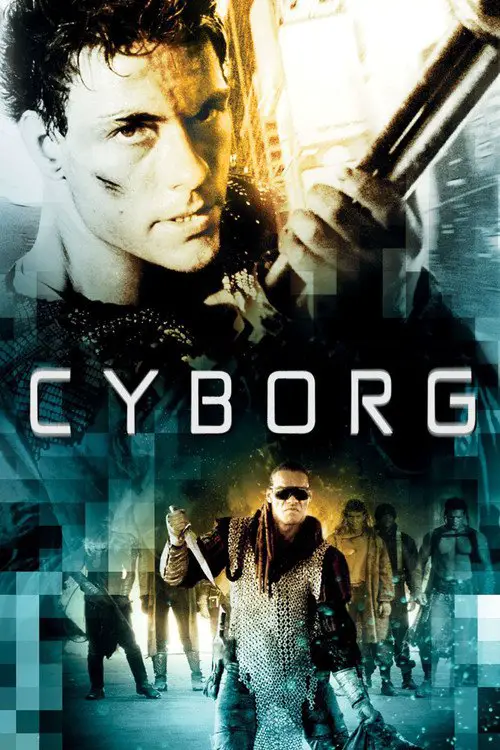
A martial artist hunts a killer in a plague-infested urban dump of the future.
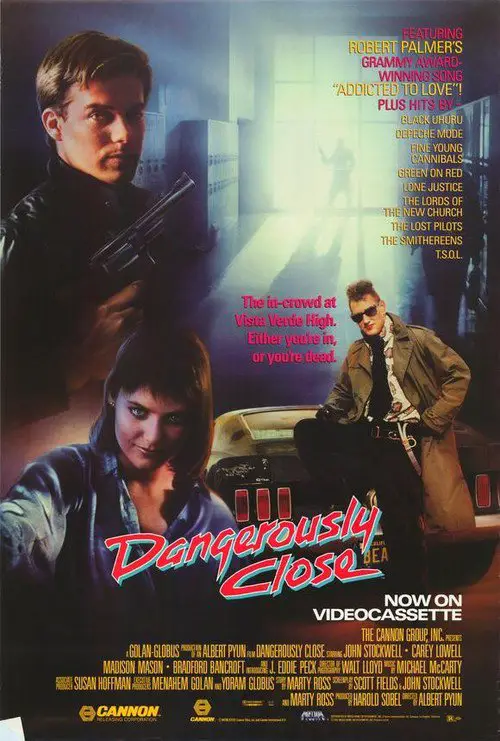
Rebel without a cause or a clue at an elite but uptight college discovers some of his classmates have formed an even more elite clique more or less hell-bent on ridding the school, and quite possibly American society, of what they deem to be its undesirables because of ethnicity, politics, etc. Our hero recruits a teacher and some other "less desirable" classmates to undermine the elitists, and, naturally, things get quite violent.
In June at the Nantucket Film Festival, Ben Stiller brought together three of his funniest famous friends to talk seriously about comedy. Chris Rock and Jim Carrey joined Stiller on a panel moderated by Saturday Night Liveâs Bill Hader for the 4th Annual All-Star Comedy Roundtable.
Sexy Baby is the first documentary film to put faces to a seismic cultural shift: the cyber age is creating a new sexual landscape. While doing research for the film, we had intimate and candid conversations with kids in middle school classrooms, suburban shopping malls, nightclubs, college dorms, and even conducted an informal roundtable during a high school house party. While chronicling trends among small town and big city kids, we discovered this: Having pubic hair is considered unattractive and âgross.â Most youngsters know someone who has emailed or texted a naked photo of themselves. Many kids have accidentally or intentionally had their first introduction to sex be via hardcore online porn. Facebook has created an arena where kids compete to be âlikedâ and constantly worry about what image to portray â much of what was once private is now made public. And the list goes on.
Mother and daughter - Big Edie and Little Edie Beale - live with six cats in a crumbling house in East Hampton. Little Edie, in her 50s, who wears scarves and bright colors, sings, mugs for the camera, and talks to Al and David Maysles, the filmmakers. Big Edie, in her 70s, recites poetry, comments on her daughter's behavior, and sings "If I Loved You" in fine voice. She talks in short sentences; her daughter in volumes. The film is episodic: friends visit, there's a small fire in the house, Little Edie goes to the shore and swims. She talks about the Catholic Church. She's ashamed that local authorities raided the house because of all the cats. She values being different.
An old mother and her middle-aged daughter, the aunt and cousin of Jacqueline Kennedy Onassis, live their eccentric lives in a filthy, decaying mansion in East Hampton.
IRIS pairs legendary 87-year-old documentarian Albert Maysles with Iris Apfel, the quick-witted, flamboyantly dressed 93-year-old style maven who has had an outsized presence on the New York fashion scene for decades. More than a fashion film, the documentary is a story about creativity and how, even in Irisâ dotage, a soaring free spirit continues to inspire. IRIS portrays a singular woman whose enthusiasm for fashion, art and people are lifeâs sustenance and reminds us that dressing, and indeed life, is nothing but an experiment.
"The Love We Make", a film directed by Albert Maysles ("Gimme Shelter") and Bradley Kaplan, follows Paul McCartney as he journeys through the streets of New York City in the aftermath of the destruction of the World Trade Center on September 11th, 2001. It also chronicles the planning and performance of the benefit concert that took place less than six months after the attacks: "The Concert For New York City".
In March 1987, pianist Vladimir Horowitz embarked on an
extraordinary project. For the first time in 35 years, he
agreed to record with a symphony orchestra in a studio.
He chose the conductor, Carlo Maria Giulini, the orchestra,
the La Scala Philharmonic, and the location, the Abanella
recording studio of La Scala in Milan. Horowitz steadfastly
refused to allow the month-long sessions to be filmed, until
the evening before the last scheduled session when he
unexpectedly changed his mind. His manager, Peter Gelb,
immediately telephoned Albert Maysles and Susan Froemke
in New York, the co-filmmakers of "Vladimir Horowitz:
The Last Romantic." That same night, the Maysles film
crew flew from New York.
This documentary of the Rolling Stones' 1969 US tour has become a legendary, harrowing symbol of the tragic demise of the "Peace and Love" era. After a successful tour across the US, the Rolling Stones gave a free December concert at Altamont Speedway in California with the Grateful Dead, Ike and Tina Turner, Jefferson Airplane, and the Flying Burrito Brothers. The band unwisely selected the Hells Angels to provide security, and the bikers resorted to violence to keep the stoned, restless, and often naked crowd in line. The result: dozens of injuries and the on-screen stabbing of a young black man (during "Sympathy for the Devil") by one of the concert's staff security. In a manipulative but effective move, the Maysles brothers filmed Mick Jagger in the editing room witnessing the on-camera murder for the first time. The film also works as a rock-and-roll document, capturing the band at their most relaxed, intoxicating, and electrifying.
In the year 2000, Les Blank, along with co-filmmaker Gina Leibrecht, visited Richard Leacock (1921-2011) at his farm in Normandy, France and recorded conversations with him about his life, his work, and his other passion: cooking! With the flair of a seasoned raconteur, Leacock recounts key moments in his seventy years as a filmmaker and the innovations that he, D.A. Pennebaker, Albert Maysles and others invented that revolutionized documentary filmmaking, and explores the mystery of creativity. With the passing of both Blank and Leacock, the documentary is a moving insight into the lives of two seminal figures in the history of film.
A documentary on New York Cityâs biggest public art project ever, an installation called âThe Gatesâ by Christo and Jeanne Claude.
Esther Robinson's portrait of her uncle Danny Williams, Warhol's onetime lover, collaborator and filmmaker in his own right, offers a exploration of the Factory era, an homage to Williams's talent, a journey of family discovery and a compelling inquiry into Williams's mysterious disappearance at age 27.
"A motion picture composed of brief diaristic scenes not used in completed films from the years 1960-2000; and self-referential video footage taped during the editing. Brief glimpses of family, friends, girl-friends, the City, seasons of the year, travels. Occasionally I talk, reminisce, or play music I taped during those earlier years, plus more recent piano improvisations by Auguste Varkalis. It's a kind of autobiographical, diaristic poem, celebration of happiness and life. I consider myself a happy man." - Jonas Mekas
My film diaries 1970-1979: my marriage, children are born, you see them growing up. Footage of daily life, fragments of happiness and beauty, trips to France, Italy, Spain, Austria. Seasons of the year as they pass through New York. Friends, home life, nature, unending search for moments of beauty and celebration of life friendships, feelings, brief moments of happiness. The film is also my love poem to New York. Itâs the ultimate Dogme movie, before the birth of Dogme.
Elio Gelmini interviews Avantgarde filmmaker Kenneth Anger. With archive footage of Angers films, he portrays the filmmaker from his childhood until present day.
Peter Sempel's masterful poetic film tribute to butoh performer Kazuo Ohno.
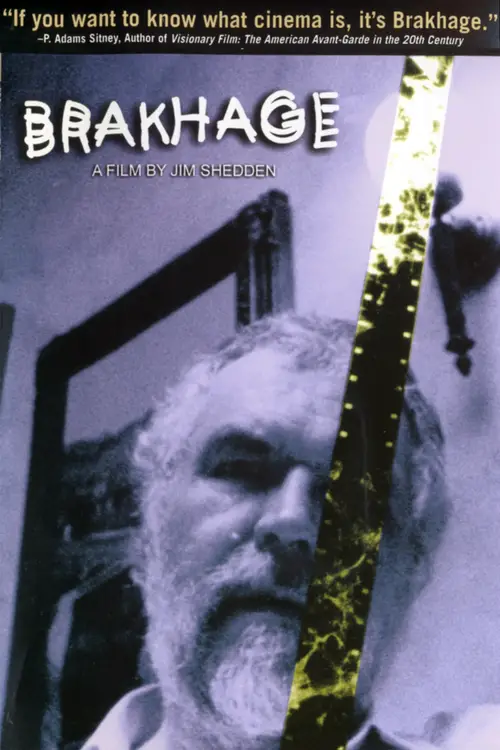
BRAKHAGE explores the depth and breadth of the filmmakerâs genius, the exquisite splendor of his films, his magic personal charm, his aesthetic fellow travelers, and the influence his work has had on generations of other creators. While touching on significant moments in Brakhageâs biography, the film celebrates Brakhageâs visionary genius, and explores the extraordinary artistic possibilities of cinema, a medium mostly known only for its commercial applications in the form of narratives, cartoons, documentaries, and advertising. BRAKHAGE combines excerpts from Brakhageâs films and films of other avant-garde filmmakers (eg, George Kuchar, Jonas Mekas, Willie Varela, Bruce Elder, and others); interviews with Brakhage, his friends, family, colleagues, and critics; archival footage of Brakhage spanning the past thirty-five years; and location shooting in Boulder, Colorado and New York.
An instant classic when released in September 1971, John Lennon's Imagine was the ex-Beatle's solo masterpiece, and its musical legacy is matched here by priceless footage of Lennon's creative process, independently edited from original 16-millimeter footage by producer-director Andrew Solt with the hands-off approval of Lennon's widow, Yoko Ono. Incorporating footage from John and Yoko's original film Imagine (clips of which were previously included in the 1988 documentary Imagine: John Lennon), Gimme Some Truth presents Lennon, Ono, coproducer Phil Spector, and a host of gifted musicians in a fluid context of conflict, community, and craftsmanship. Bearing witness to every stage of the recording process, this 63-minute documentary succeeds as a visual diary, a study of familiar music in its infancy, and a revealing portrait of the then-30-year-old Lennon--from witty clown to confrontational perfectionist--at the peak of his post-Fab Four inspiration.
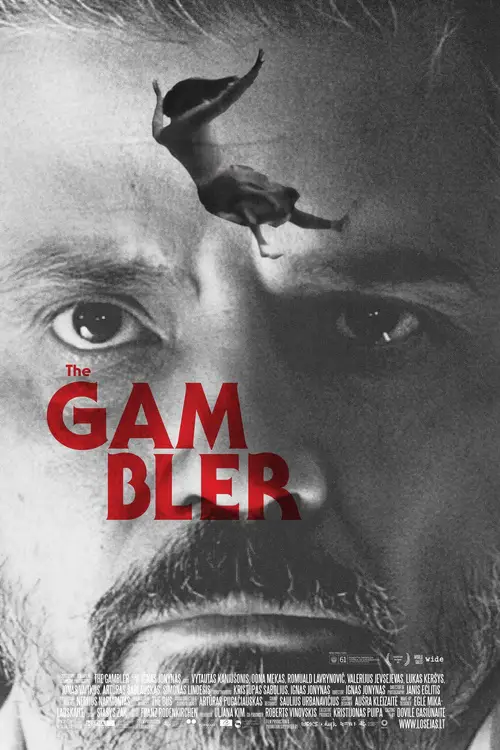
Paramedic Vincentas is a passionate gambler, who is forced to make radical decisions to return the debts. An idea strikes Vincentas to create an illegal game related to his profession. Love, life and death will be at stake.
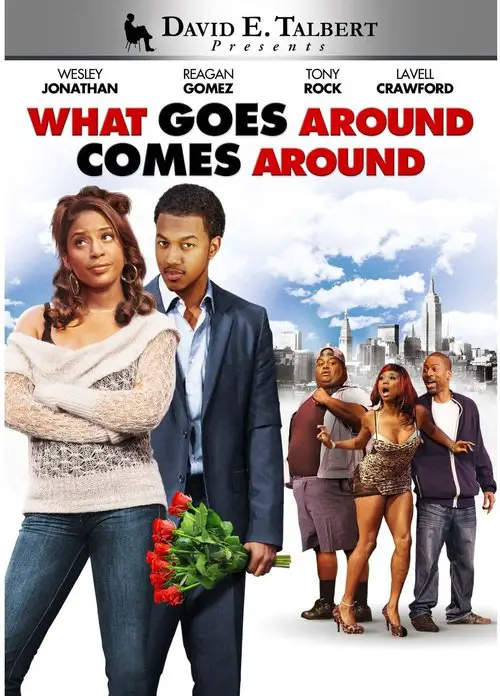
Celebrated ladies' man, Tyree Jackson, thinks his only job is to sneak women in and out of his apartment while his live-in girlfriend, Desirae Baxter, is at work. Tired of his philandering ways, Desirae and her girlfriends devise a plan that will give Tyree a taste of his own medicine. Written by David E. Talbert
To improve its relations with Muslim countries, the United States government sends comedian Albert Brooks to south Asia to write a report on what makes followers of Islam laugh.
This biographical drama/part-time documentary, narrative written by Dr. Albert Schweitzer and spoken by Frederic March, traces the life of Dr. Schweitzer (with actors playing the characters), from his birth in France up to about the age of 30 when he makes the decision to go to French Equatorial Africa and build his jungle hospital. The latter half of the film encompasses a full day in the hospital-village following the 80s-plus Samaritan in his daily rounds.
November 1918. A few days before the Armistice, Ãdouard Péricourt saves Albert Maillard's life. These two men have nothing in common but the war. Lieutenant Pradelle, by ordering a senseless assault, destroys their lives while binding them as companions in misfortune. On the ruins of the carnage of WWI, condemned to live, the two attempt to survive. Thus, as Pradelle is about to make a fortune with the war victims' corpses, Albert and Ãdouard mount a monumental scam with the bereaved families' commemoration and with a nation's hero worship.

Five family drama, gay-themed, short films. This collection includes the following short films: Pride, Directed by Marc Saltarelli; The Commitment, Directed by Albert M. Chan; Shabbat Dinner, Directed by Michael Morgenstern; Kimchi Fried Dumplings, Directed by Jason Karman; and The Symphony of Silence, Directed by Cedric Thomas Smith.
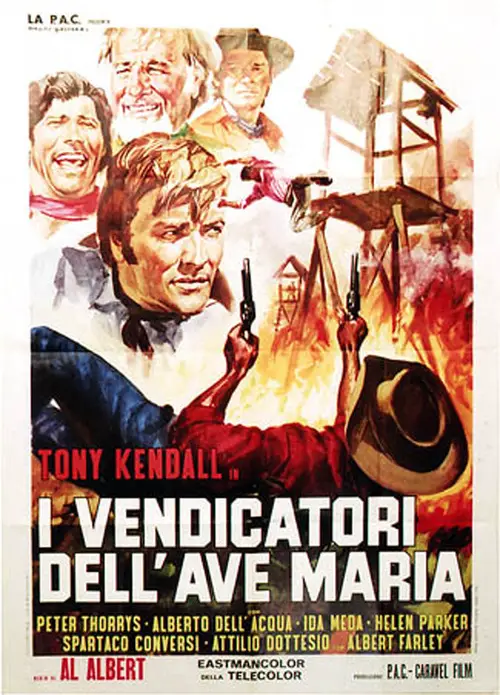
This peculiar spaghetti western from director Adalberto Albertini (Return of Shanghai Joe) stars Tony Kendall (Luciano Stella) as the leader of a group of traveling circus acrobats. The performers enlist the aid of revolutionary exile Serrano and his men in order to rid a frontier town of its cruel boss.
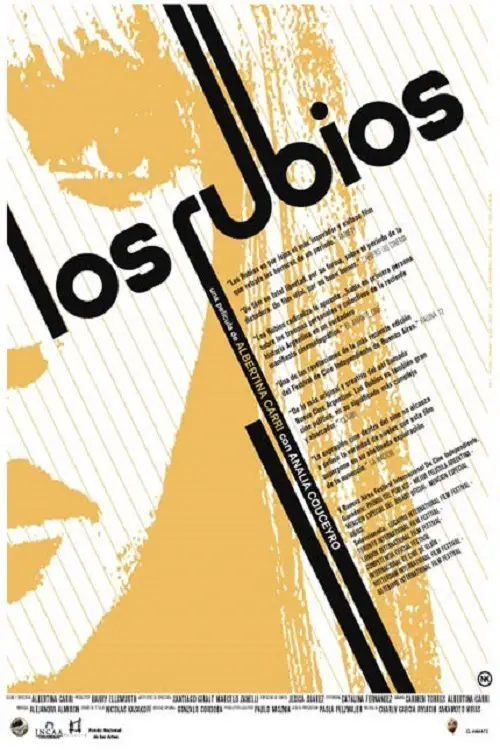
In 1977, when she was four years old, Albertina Carri's parents vanished without a trace, victims of Argentina's brutal military junta. In this fresh and politically daring film, the young Argentinian filmmaker attempts to unravel the mystery, piecing together her memories and fantasies in a quest to understand her parents' untimely fate.

After bungling a job in London, Albert, an international thief, masterminds a plan to rob a Geneva bank of 7 tons of gold. Assisted by the seductive Giorgia, who works from within the bank, and six other accomplices, Albert sets himself up in an expensive hotel with a battery of electronic devices to supervise the operation.
An obese boy named Fat Albert and his friends Rudy, Mushmouth, Bill, Dumb Donald, Russell, and Weird Harold, pulls into trouble when they "fall" out of their TV world into the real world, where Fat Albert tries to help a young girl, Doris, make friends.
When Albert's best friend Egon goes missing, Albert embarks on an adventure to find him. Along the way he meets Sabrina and together they must save Egon.
Albert is smitten for Pola but ends up wrongly committed in jail, in the meantime her affections are sought after by his friend, and on his release both love and friendship must be tested.
Oregon, 1980: Jane, Elaine and Louise are all feeling the effects of inflation and cannot afford, as the title states, the high cost of living. Jane cannot afford a babysitter or get married and if she wants privacy with her boyfriend, she has to sleep in the car. Even worse, her war veteran father comes to live with her to turn her life upside down. Louise lives a happy life with her veterinarian husband, Albert. She runs an antique shop on the side, but since it doesn't take in any profit, the IRS considers it a hobby. She needs to come up with the money to keep it going, or she will be trouble with the IRS. Elaine's husband has left her for another woman and without any money. She is in a constant struggle with banks, power companies, and gas stations. She needs money to get by and also catches the eye of police officer Jack. The local mall is having a contest that features a giant money ball that states it will help fight the inflation...
© Valossa 2015–2026
| Privacy Policy