
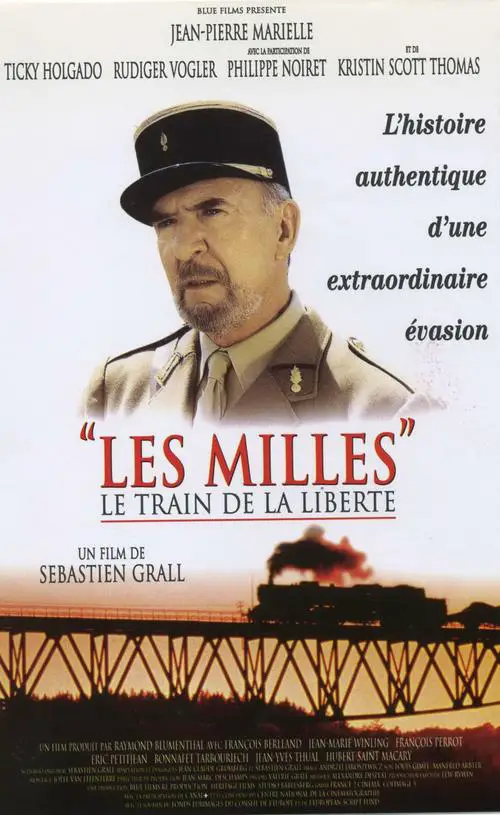
Les Milles (1995)
Similar movies
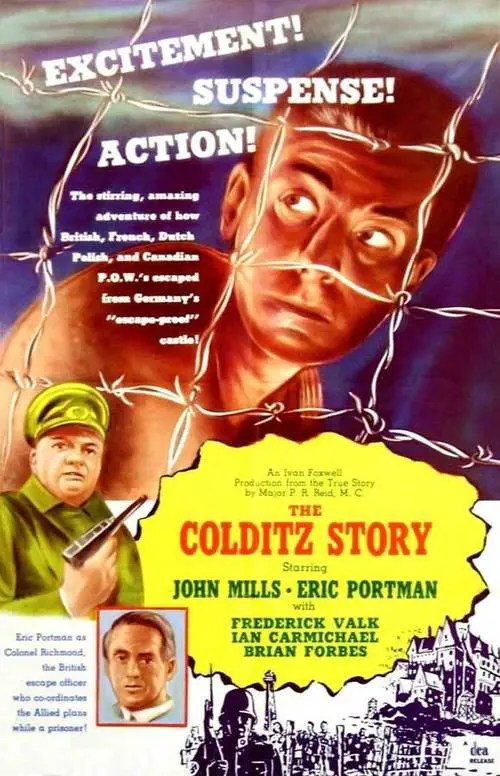
Allied prisoners attempt to excape from an "escape-proof" German POW camp - Colditz Castle, during WWII. Classic British War drama.
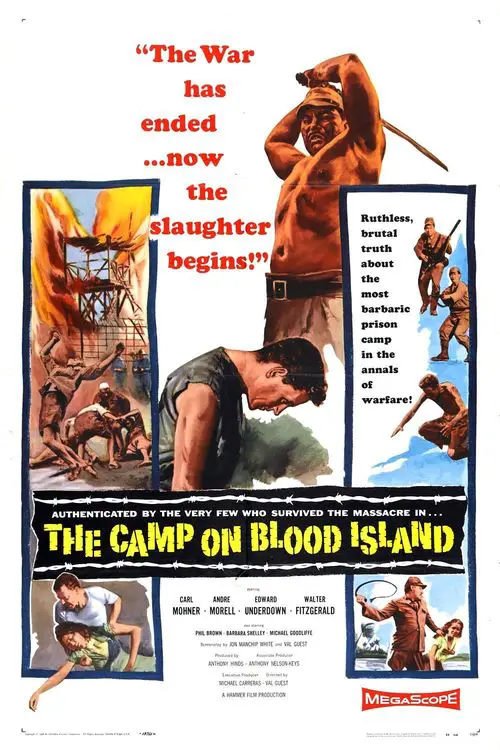
Set in a Japanese prisoner of war camp during World War II, the film focuses on the brutality and horror that the allied prisoners were exposed to as the Japanese metered out subjugation and punishment to a disgraced and defeated enemy. This harrowing drama concentrates on the deviations of legal and moral definitions when two opposing cultures clash. Although fictional, this was one of the earliest films to deal realistically with life and death in a Japanese prisoner-of-war camp during the Second War.
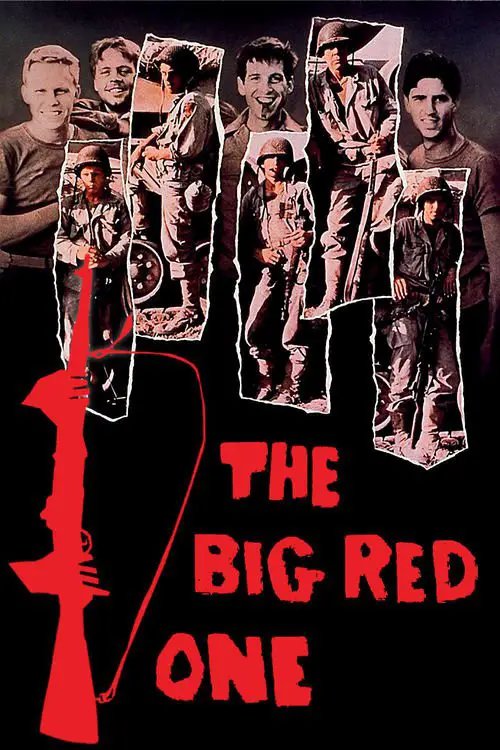
A veteran sergeant of the World War I leads a squad in World War II, always in the company of the survivor Pvt. Griff, the writer Pvt. Zab, the Sicilian Pvt. Vinci and Pvt. Johnson in Vichy French Africa, Sicily, D-Day at Omaha Beach, Belgium and France, ending in a concentration camp in Czechoslovakia where they face the true horror of war.

Horatio Homblower, now promoted to Acting Lieutenant, captures the French ship Le Reve off the Spanish coast. The Captain of the French ship is furious that such a youngster has pulled off such a coup. But far more daunting is Hornblower's first taste of the high life, when he is invited to dine with the Governor of Gibraltar and his wife. The prospect of this is frightening enough, but an unexpected guest, the glamorous Duchess of Wharfedale, adds another spin to his evening.
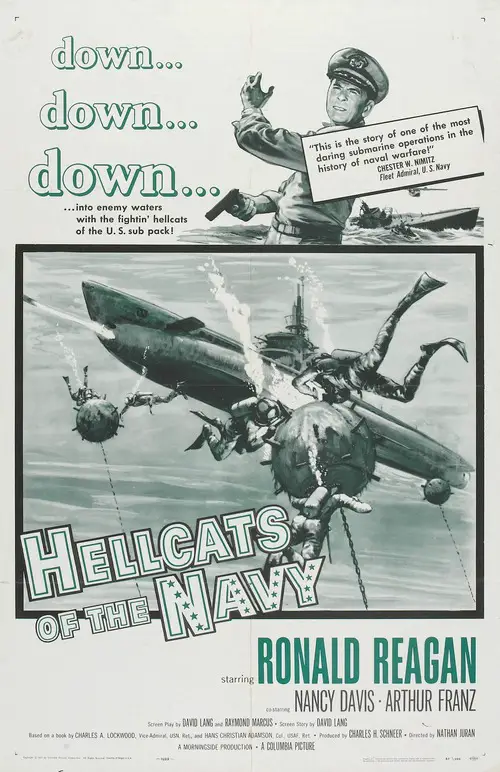
Future "first couple" Ronald Reagan and Nancy Davis made their only joint film appearance in Hellcats of the Navy. Ronnie plays Casey Abbott, commander of a WW2 submarine, while Nancy portrays navy nurse Helen Blair, Abbott's off-and-on girlfriend. During a delicate mission in which his sub is ordered to retrieve a revolutionary new Japanese mine, Abbott is forced to leave frogman Wes Barton (Harry Lauter) behind to save the rest of his crew. But Abbott's second-in-command Don Landon (Eduard Franz) is convincing that Abbott's sacrifice of Barton was due to the fact that the dead man had been amorously pursuing Helen.
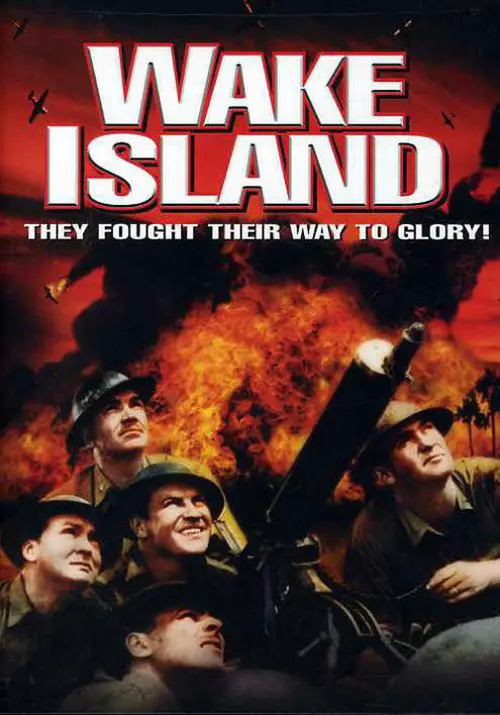
In November 1941, Major Caton takes command of the small Marine garrison on Wake Island. His tendency toward spit and polish upsets the men's tropical lassitude, but Pearl Harbor changes everything. Soon the island is attacked and the Marines pull together day by day; but how long can they hold out?

Company commander Claus Michael Pedersen and his men are stationed in Helmand, Afghanistan. Meanwhile back in Denmark, with a husband at war and three children missing their father, everyday life is a struggle for Claus' wife Maria. During a routine mission, the soldiers are caught in heavy Taliban crossfire. In order to save his men, Claus makes a decision that ultimately sees him return to Denmark accused of a war crime.
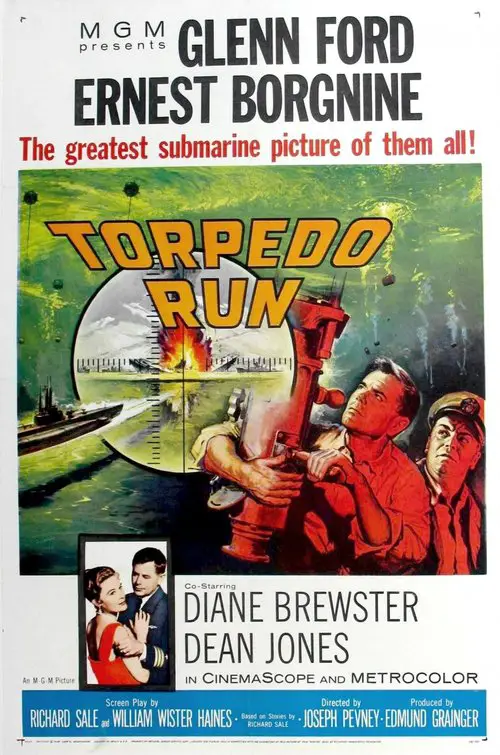
A submarine commander is on a relentless pursuit of a Japanese aircraft carrier in the South Seas during World War II.
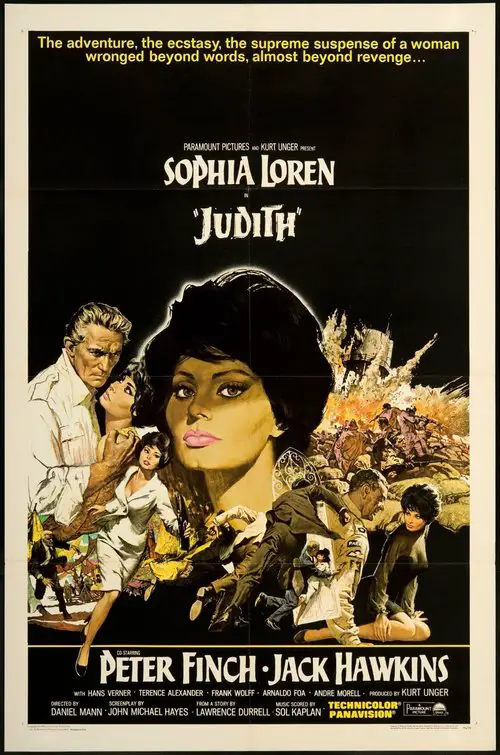
A Jewish woman is recruited to help track down a German commander who was her former husband.
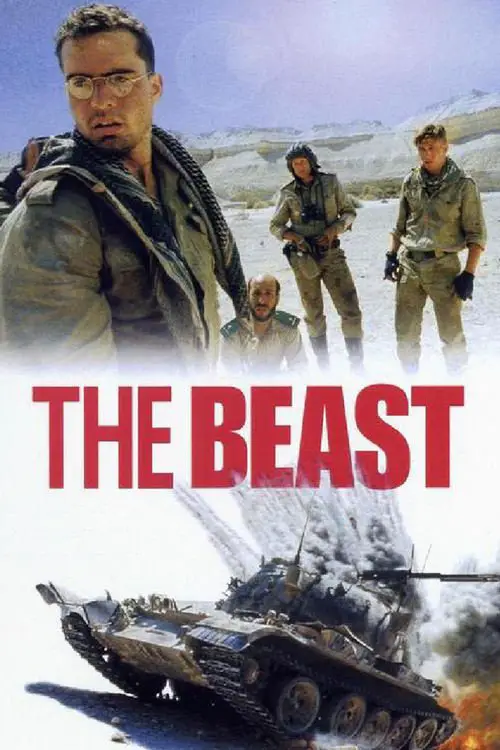
During the war in Afghanistan a Soviet tank crew commanded by a tyrannical officer find themselves lost and in a struggle against a band of Mujahadeen guerrillas in the mountains.
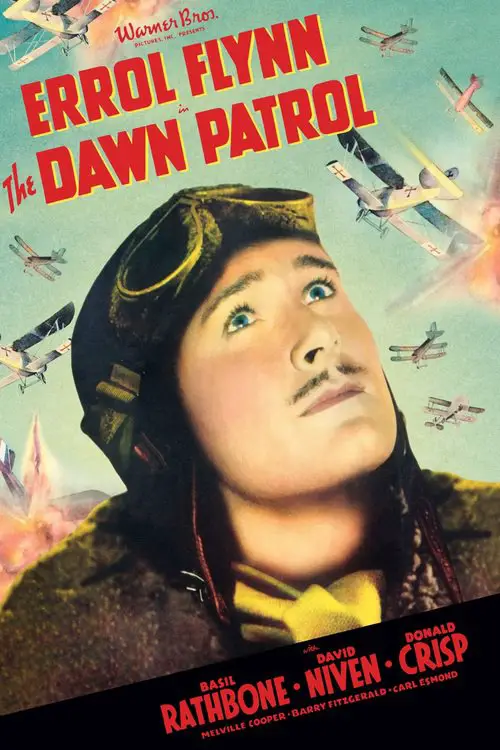
In 1915 France, Major Brand commands the 39th Squadron of the Royal Flying Corps. The young airmen go up in bullet-riddled "crates" and the casualty rate is appalling, but Brand can't make the "brass hats" at headquarters see reason. Insubordinate air ace Captain Courtney is another thorn in Brand's side...but finds the smile wiped from his face when he rises to command the squadron himself. Everyone keeps a stiff upper lip.
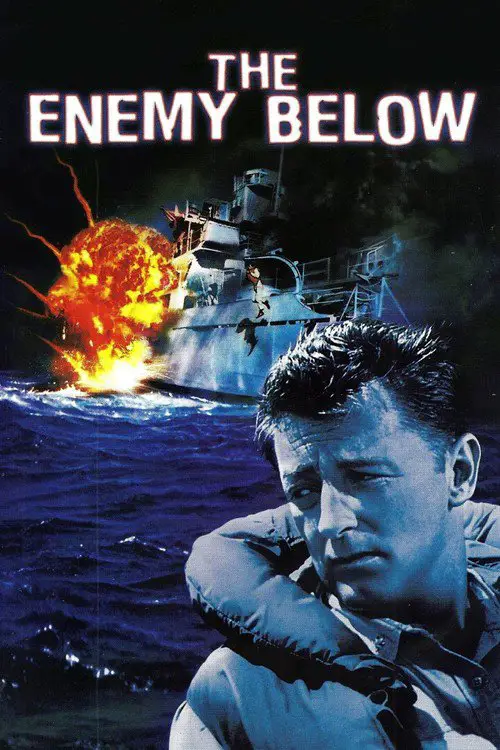
The American destroyer escort, the USS Haynes commanded by Robert Mitchum, detects a German U-Boat, commanded by Curt Jürgens, resulting in a prolonged, deadly battle of wits.
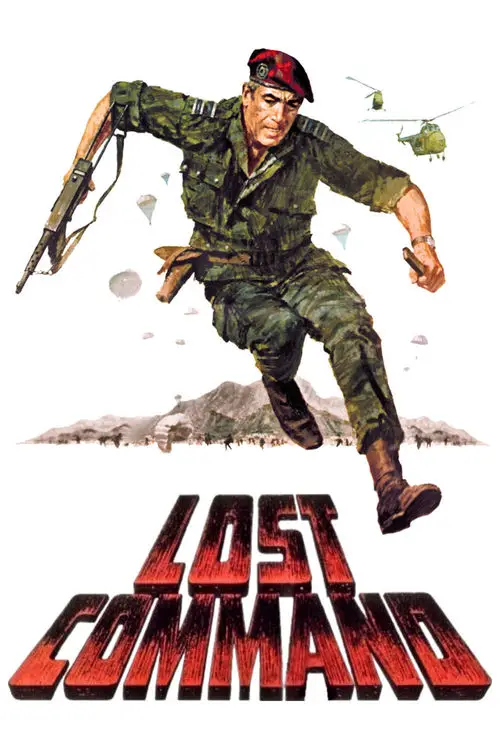
The film begins with the final moments of the Battle of Dien Bien Phu in 1954, when the final assault of Viet Minh is imminent. The weakened French garrison awaits reinforcements that arrive with a single plane under the command of Major De Clairefons. The outpost commander, Basque Lt. Col. Pierre-Noel Raspeguy (Quinn) fights to protect the group, but the paras are slaughtered as they land
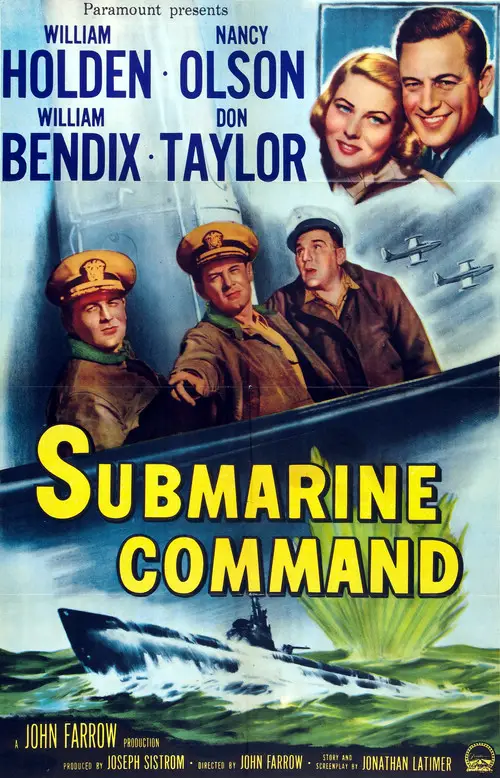
Submarine commander Ken White is forced to suddenly submerge, leaving his captain and another crew member to die outside the sub during WW II. Subsequent years of meaningless navy ground assignments and the animosity of a former sailor, leave White (now a captain) feeling guilty and empty. His life spirals downward and his wife is about to leave him. Suddenly, he is forced into a dangerous rescue situation at the start of the Koren War.... reassigned to the same submarine where all of his problems began.
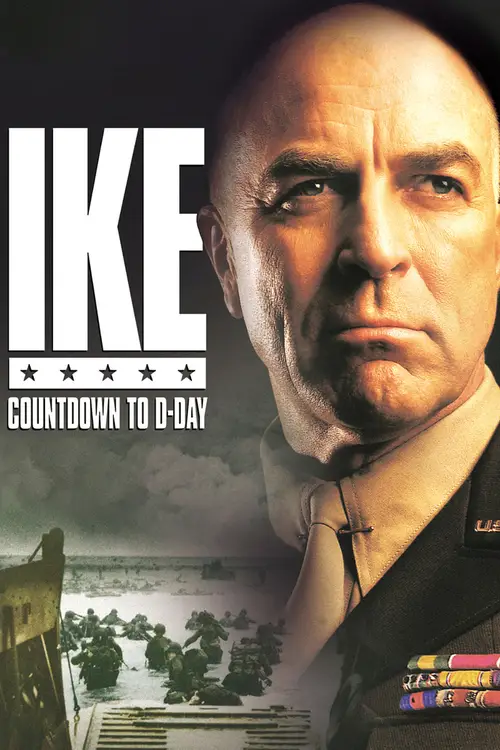
This is the story of the senior-level preparations for the D-Day invasion on June 6, 1944 from the time of Dwight D. Eisenhower's appointment as the Supreme Allied Commander in Europe, to the establishment of the beachhead in Normandy. The film recounts many of the trials and tribulation Ike had to face, not the least of which were the many prima donnas surrounding him (Patton, Montgomery and especially de Gaulle) and the need for tact and diplomacy to bring all sides together for what would be the largest amphibious assault ever attempted.
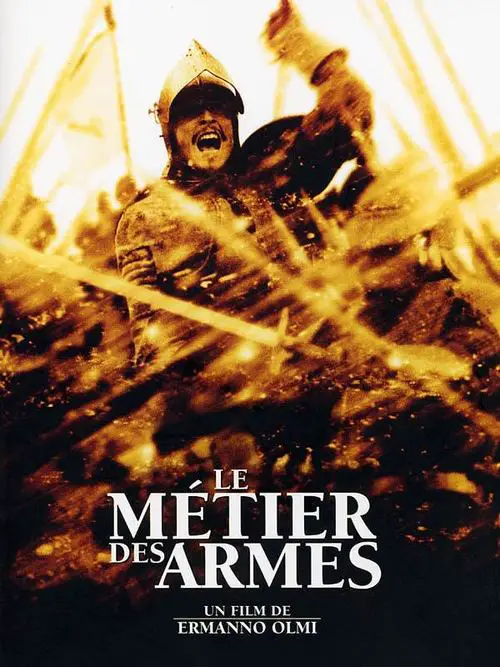
In autumn of 1526, the Emperor, Charles V, sends his German landsknechts led by Georg von Frundsberg to march towards Rome. The inferior papal armies, commanded by Giovanni de'Medici, try to chase them in the midst of a harsh winter. Nevertheless, the Imperial armies manage to cross the rivers along their march and get cannons thanks to the maneuvers of its Lords. In a skirmish, Giovanni de'Medici is wounded in the leg by a falconet shot. The attempts to cure him fail and he dies. The Imperial armies assault Rome. The film is beautifully but unassumingly set, and shows the hard conditions in which war is waged and its lack of glory. It ends straightforwardly with the declaration made after the death of Giovanni de'Medici by the commanders of the armies in Europe of not using again fire weapons because of their cruelty.
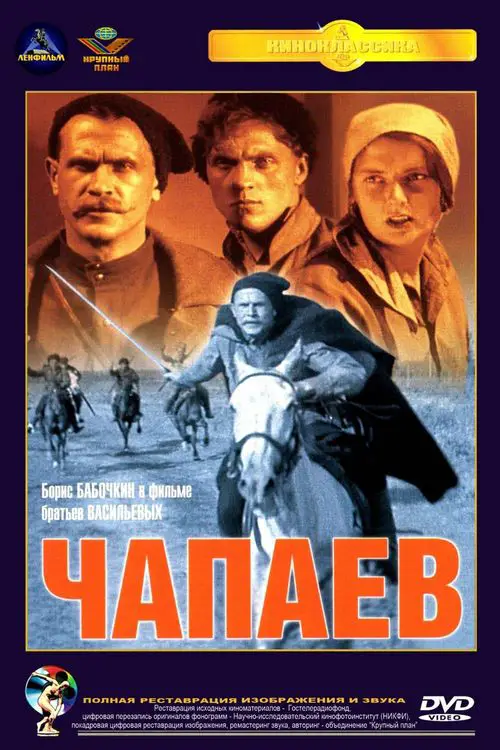
This film is based on the book about Vasili Ivanovich Chapaev (1887 - 1919) who was in real life the Commander of the 25th Division of the Red Army. Chapaev is an uneducated peasant and a decorated hero in the World War I and later in the Russian Civil War, that followed the Russian revolution. This man of action is fighting on the side of the poor people. His troops consist of peasants, just like him. Unable to write, he can brilliantly demonstrate various battle tactics by moving potatoes on the table. He is street smart. He never lost a battle against the experienced Generals of the Tzar's Army.
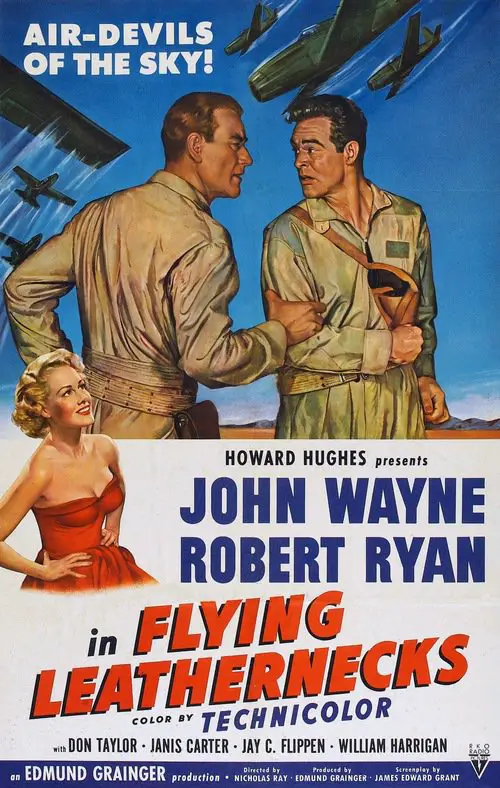
Major Daniel Kirby takes command of a squadron of Marine fliers just before they are about to go into combat. While the men are well meaning, he finds them undisciplined and prone to always finding excuses to do what is easy rather than what is necessary. The root of the problem is the second in command, Capt. Carl 'Griff' Griffin. Griff is the best flier in the group but Kirby finds him a poor commander who is not prepared to the difficult decision that all commanders have to make - to put men in harm's way knowing that they may be killed.
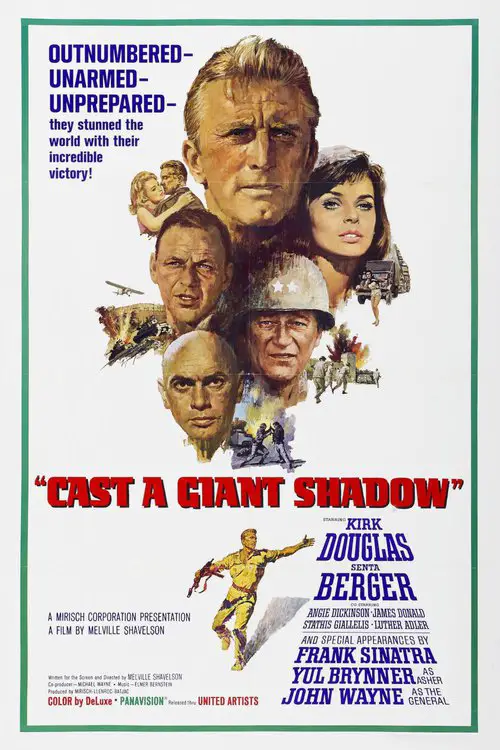
An American Army officer is recruited by the yet to exist Israel to help them form an army. He is disturbed by this sudden appeal to his jewish roots. Each of Israel's Arab neighbors has vowed to invade the poorly prepared country as soon as partition is granted. He is made commander of the Israeli forces just before the war begins.
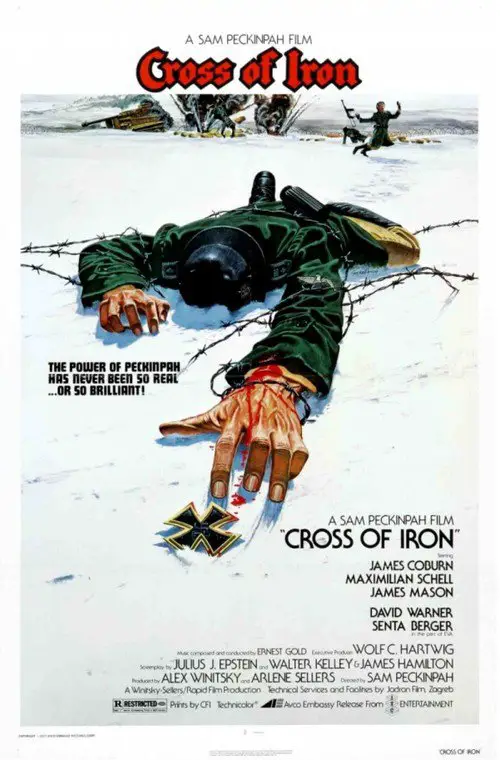
A squad of German soldiers fighting on the Eastern Front during WWII led by a battle-hardened officer fight to survive Soviet attacks and dogmatic commanders in a chaotic and lethal environment in this sympathetic portrayal of another side of the war not commonly portrayed in Hollywood film.
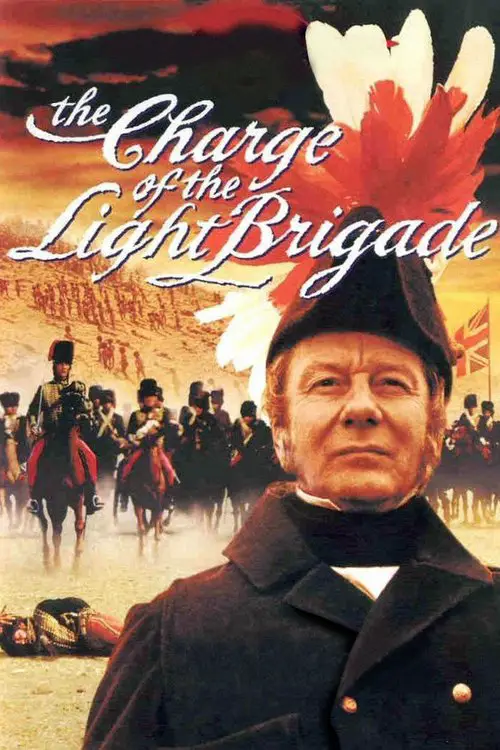
A chronicle of events that led to the British involvement in the Crimean War against Russia and which led to the siege of Sevastopol and the fierce Battle of Balaclava on October 25, 1854 which climaxed with the heroic, but near-disastrous calvary charge made by the British Light Brigade against a Russian artillery battery in a small valley which resulted in the near-destruction of the brigade due to error of judgement and rash planning on part by the inept British commanders.

As the Battle of the Bulge rages on, an American tank unit gets trapped behind Nazi lines. With just hours before the bombs of Operation Ardennes Fury fall, the tank's commander makes the risky decision to rescue an orphanage.

While flying a routine reconnaissance mission over Bosnia, fighter pilot Chris Burnett photographs something he wasn't supposed to see and gets shot down behind enemy lines, where he must outrun an army led by a ruthless Serbian general. With time running out and a deadly tracker on his trail, Burnett's commanding officer decides to risk his career and launch a renegade rescue mission to save his life.
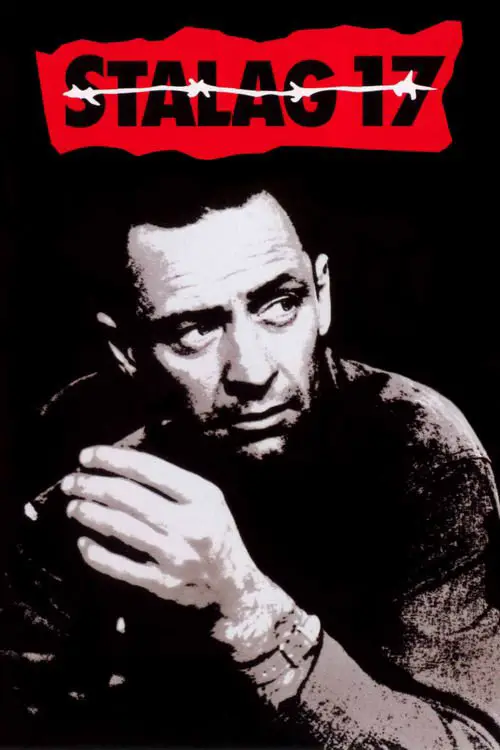
It's a dreary Christmas 1944 for the American POWs in Stalag 17. For the men in Barracks 4, all sergeants, have to deal with a grave problem - there seems to be a security leak. The Germans always seem to be forewarned about escapes and in the most recent attempt the two men, Manfredi and Johnson, walked straight into a trap and were killed. For some in Barracks 4, especially the loud-mouthed Duke, the leaker is obvious: J.J. Sefton, a wheeler-dealer who doesn't hesitate to trade with the guards and who has acquired goods and privileges that no other prisoner seems to have. Sefton denies giving the Germans any information and makes it quite clear that he has no intention of ever trying to escape. He plans to ride out the war in what little comfort he can arrange, but it doesn't extend to spying for the Germans.
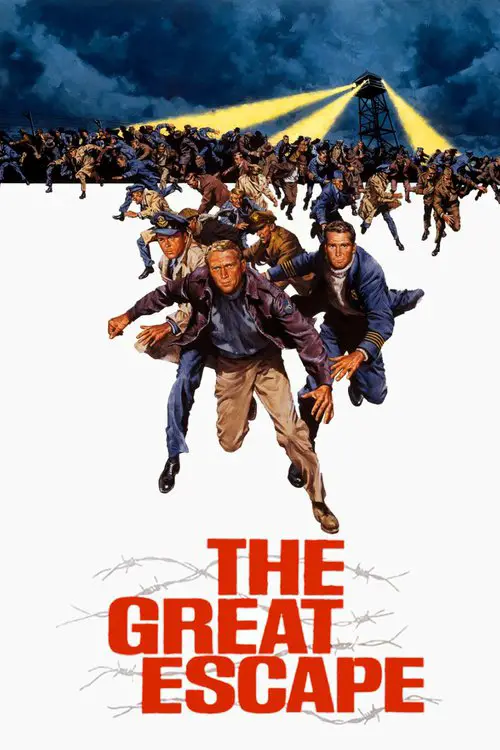
The Nazis, exasperated at the number of escapes from their prison camps by a relatively small number of Allied prisoners, relocates them to a high-security "escape-proof" camp to sit out the remainder of the war. Undaunted, the prisoners plan one of the most ambitious escape attempts of World War II. Based on a true story.
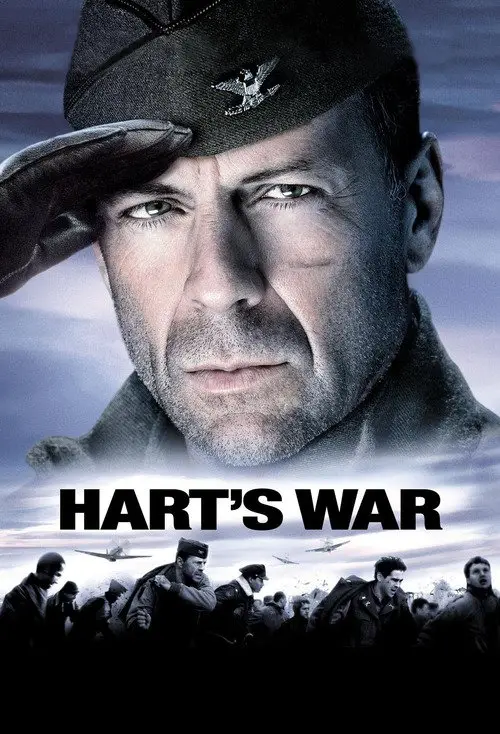
Fourth-generation Army Col. William McNamara is imprisoned in a brutal German POW camp. Still, as the senior-ranking American officer, he commands his fellow inmates, keeping a sense of honor alive in a place where honor is easy to destroy, all under the dangerous eye of the Luftwafe vetran Col. Wilhelm Visser. Never giving up the fight to win the war, McNamara is silently planning, waiting for his moment to strike back at the enemy. A murder in the camp gives him the chance to set a risky plan in motion. With a court martial to keep Visser and the Germans distracted, McNamara orchestrates a cunning scheme to escape and destroy a nearby munitions plant, enlisting the unwitting help of young Lt. Tommy Hart. Together with his men, McNamara uses a hero's resolve to carry out his mission, ultimately forced to weigh the value of his life against the good of his country.

A chronicle of the life of Louis Zamperini, an Olympic runner who was taken prisoner by Japanese forces during World War II.

German commandos are dropped behind enemy lines in the Sahara Desert tasked with getting to Casablanca in an assassination attempt on allied leaders.
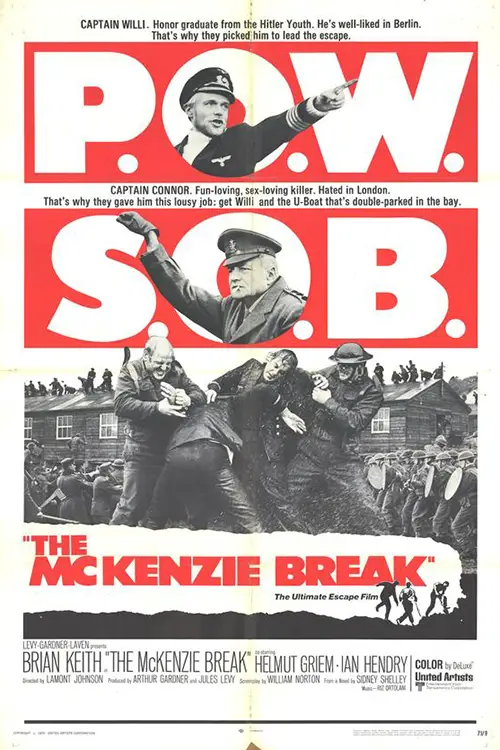
A German U-Boat commander and 600 prisoners plan a daring escape from a PoW camp in Scotland.
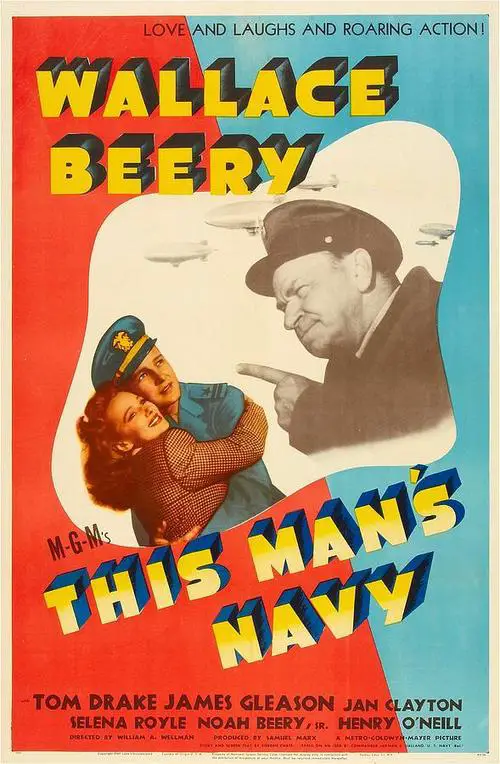
During World War II, Chief Aviation Pilot Ned Trumpet is in charge of an airship at Lakehurst, New Jersey naval base. Trumpet orders an unauthorized and premature attack on a German submarine but the bomb misses and the submarine fires back, hitting the airship. Trumpet takes over the controls and sinks the submarine, The pilot faces a court-martial for disobeying orders but the older man takes the blame for his actions. Weaver transfers to the Ferry Command, and while on assignment in Burma, his aircraft crashes in Japanese territory. Trumpet rushes to the scene with a rescue team. Both are successfully brought out and are decorated for their heroism. Afterward, Weaver indicates that he will be returning to the lighter-than-air service in Lakehurst, to reunite with his "father".
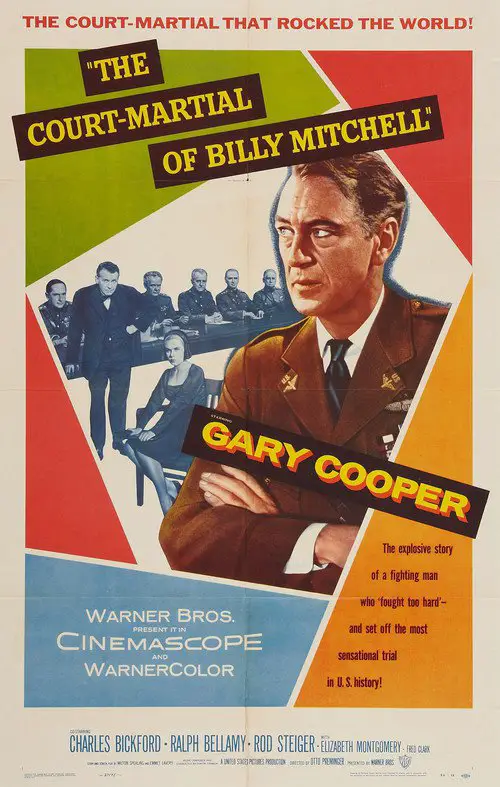
A dramatization of the American general and his court martial for publically complaining about High Command's dismissal and neglect of the aerial fighting forces.

Pilot disobeys unsafe orders and loses his job. He then starts a flying school which receives a boost when the government launches a program which it hopes will produce 20,000 pilots a year.
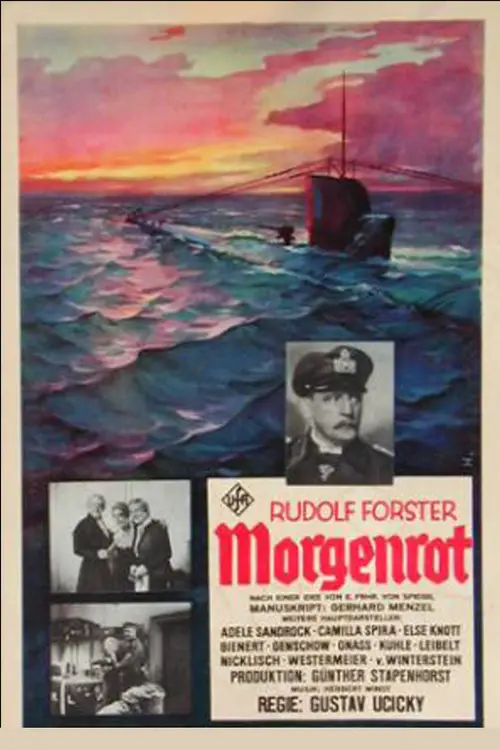
Released three days after Adolf Hitler became Reichskanzler, it was the first film to have its screening in Nazi Germany. It became a symbol of the new times touted by the Nazi regime. The title (literally "morning-red") is the German term for the reddish coloring of the east sky about a half hour before the sunrise. Dawn was the U.S. title. In 1915, Captain Liers, commander of a submarine is leaving his hometown, where he, his 2nd officer and the radio-operator, spend their shore leave. On patrol they sink a British armored cruiser, but while returning to their harbor, they're attacked. They're able to sink it, but the trap has alarmed a destroyer, that sinks their sub. The sub lays on the sea bed at 200 feet, and except for the bridge, it is full of water. 10 members of the crew survived, but there are only 8 rescue devices. Liers gives the order, that the crew shall use them, but they disobey, either all get out or nobody...
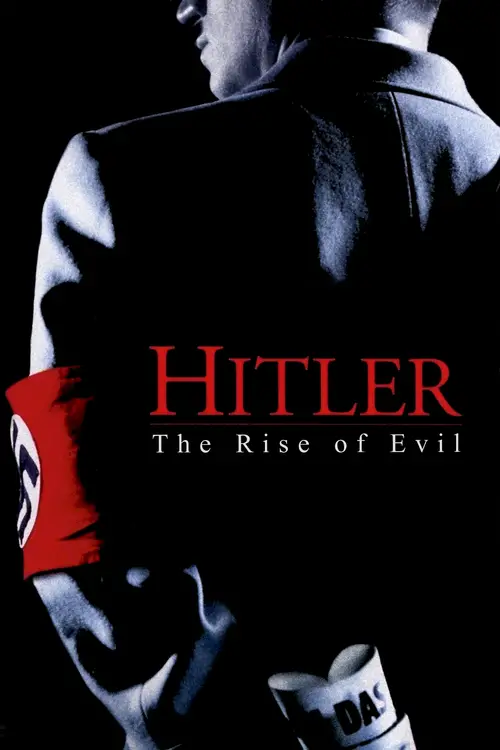
The movie describes the life of Adolf Hitler from childhood to manhood, and his rise to power. From his poor childhood in Austria, the first world war from his point of view, we see how Hitler was transformed from a poor soldier into the leader of the Nazis, and how he survived all attempts to kill him. We learn of his relationship with his mistress Eva Braun, his decisions and of his enemies inside the Nazi party.

Based upon the actual cables between Washington, London and Moscow during the Second World War, this TV-movie examines the relationship between the leaders of these countries throughout the conflict. Franklin D. Roosevelt (John Lithgow), Winston Churchill (Bob Hoskins) and Joseph Stalin (Michael Caine), spring to life as real but imperfect people who nevertheless are great leaders fighting a great war.

Set in the turbulence of the 1930s British India, Chittagong is a true story of a 14 year old boy, Jhunku, and of his journey to find where he belongs. For the first time in Indian history, the British army is defeated by a ragtag army of schoolboys and their teacher, Masterda. Called a traitor by his peers, and let down by a man he trusts, Jhunku impulsively joins the movement. As his world is turned upside down, Jhunku is forced to confront his self-doubts. As the leaders of the movement are progressively caught or killed, Jhunku battles against seemingly insurmountable odds to win a victory of his own. The film is an exciting action-drama, made more so by the fact that it is true.

An elderly woman takes a train trip to visit her grandson at his army camp inside Chechnya.

The film centers on a Jewish counterfeiter, Salomon Sorowitsch, who is coerced into assisting the Nazi operation at the Sachsenhausen concentration camp. The film won the Best Foreign Language Film Oscar at the 80th Academy Awards in 2008.

Five Jewish Hungarians, now U.S. citizens, tell their stories: before March, 1944, when Nazis began to exterminate Hungarian Jews, months in concentration camps, and visiting childhood homes more than 50 years later. An historian, a Sonderkommando, a doctor who experimented on Auschwitz prisoners, and US soldiers who were part of the liberation in April, 1945.

Death in Love is a psychosexual-thriller about a love affair between a Jewish woman and a doctor overseeing human experimentation at a Nazi German concentration camp, and the impact this has on her sons' lives in the 1990s.

In Nazi Germany in 1936 seven men escape from a concentration camp. The camp commander puts up seven crosses and, as the Gestapo returns each escapee he is put to death on a cross. The seventh cross is still empty as George Heisler seeks freedom in Holland.
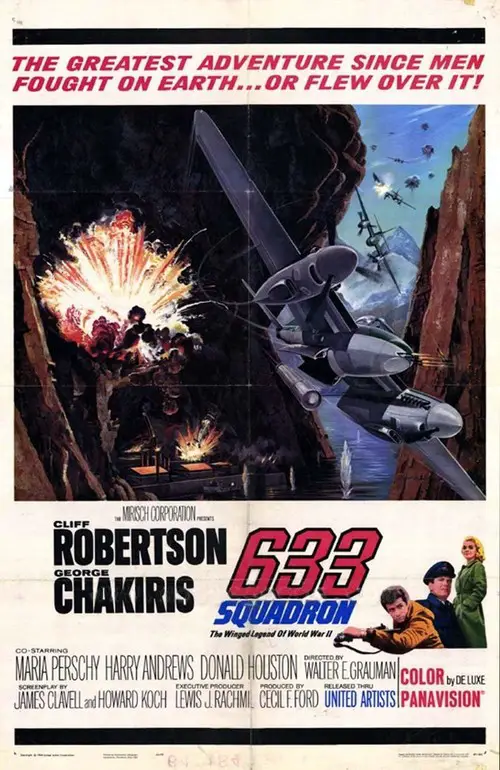
When Norwegian resistance leader Lieutenant Erik Bergman reports the location of a German V-2 rocket fuel plant, the Royal Air Force's 633 Squadron is assigned the mission to destroy it. The plant is in a seemingly-impregnable location beneath an overhanging cliff at the end of a long, narrow fjord lined with anti-aircraft guns. The only way to destroy the plant is by collapsing the cliff on top of it.

In the midst of World War II, the story of the affair of a young woman, married to a man bound to a wheelchair, with a desertor from the Italian army, intertwines with that of the grab of power of a very fanatical local fascist leader, who gets the hold with a massacre of Pacific opposers, among them, the father of the young desertor. Oppresive fog covers both dramas, as a reminder of how values such as courage, love and truth are fading.
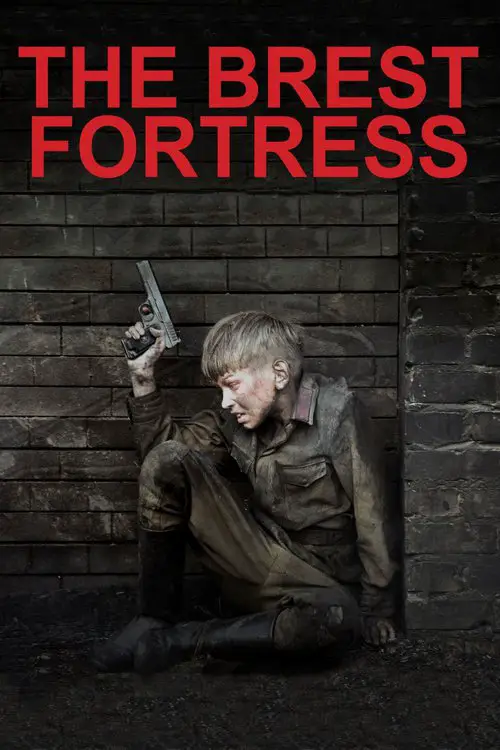
A war drama set during the Nazi invasion of the Soviet Union in June 1941, in which Russian troops held on to a border stronghold for nine days. The film shows the heroic defense of Brest Fortress, which has taken upon the first stroke of German fascist invaders on June 22 1941.
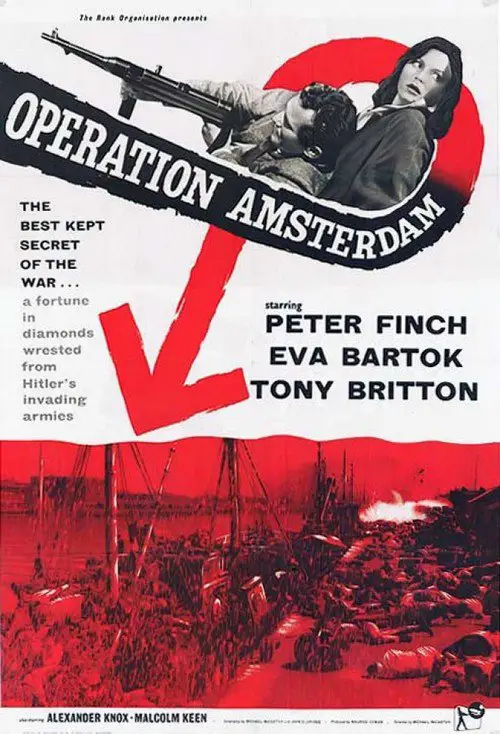
Operation Amsterdam is a 1959 adventure film, directed by Michael McCarthy, and featuring Peter Finch, Eva Bartok, and Tony Britton. It is based on a true story [1] as described in the book Adventure in Diamonds, by David E Walker. The action of the story covers a few days in May 1940 when the Germans invaded Holland.
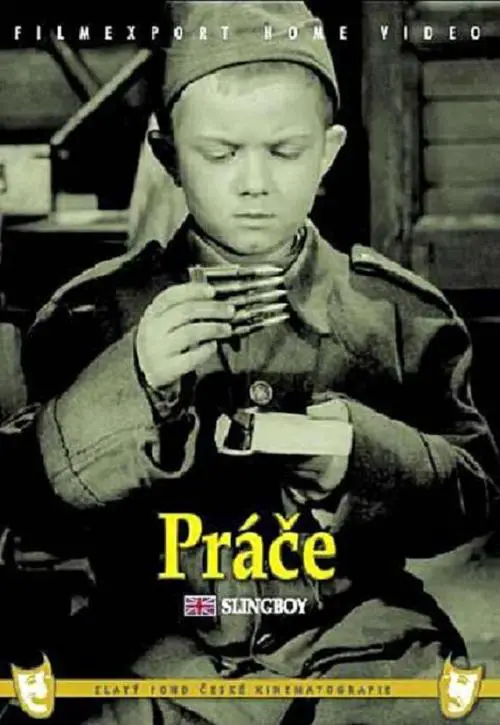
A young Czech boy is freed from a concentration camp and ends up working for the army against the Germans
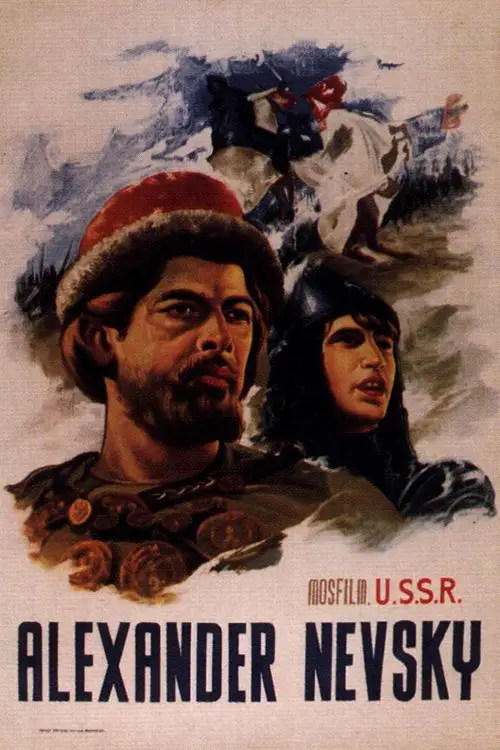
It is the 13th century, and Russia is overrun by foreign invaders. A Russian knyaz', or prince, Alexander Nevsky, rallies the people to form a ragtag army to drive back an invasion by the Teutonic knights. This is a true story based on the actual battle at a lake near Novgorod.

Naked Among Wolves (German: Nackt unter Wölfen) is a German drama film directed by Philipp Kadelbach in 2015. It is based on the novel of the same name by Bruno Apitz, which was published in 1958 by the East German Publishing house. It was created for television, it is the third film version of the literary text. The film takes place in the years 1944 and 1945 towards the end of World War II in the Buchenwald concentration camp.

The film is set in early 11th century China during the reign of Emperor Renzong of the Song Dynasty. The emperor neglects state affairs and indulges in personal pleasures, while the government sinks into corruption and war continues to rage on at the borders of the Song Dynasty. The Song Dynasty is being invaded by the armies of the rival state of Western Xia. Yang Zongbao is the last man standing in the Yang clan, a family of generals who have dedicated their lives to defending the Song Dynasty from foreign invaders. He apparently dies in battle tragically when the treacherous Imperial Tutor Pang refuses to send reinforcements to aid him. Yang Zongbao's widowed wife Mu Guiying leads the other widows of the Yang clan into battle to continue the legacy of their husbands.
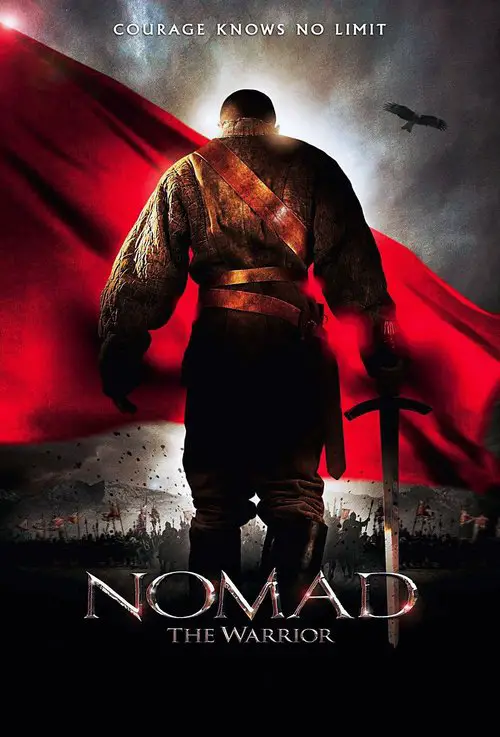
The Nomad is a historical epic set in 18th-century Kazakhstan. The film is a fictionalised account of the youth and coming-of-age of Ablai Khan, as he grows and fights to defend the fortress at Hazrat-e Turkestan from Dzungar invaders.
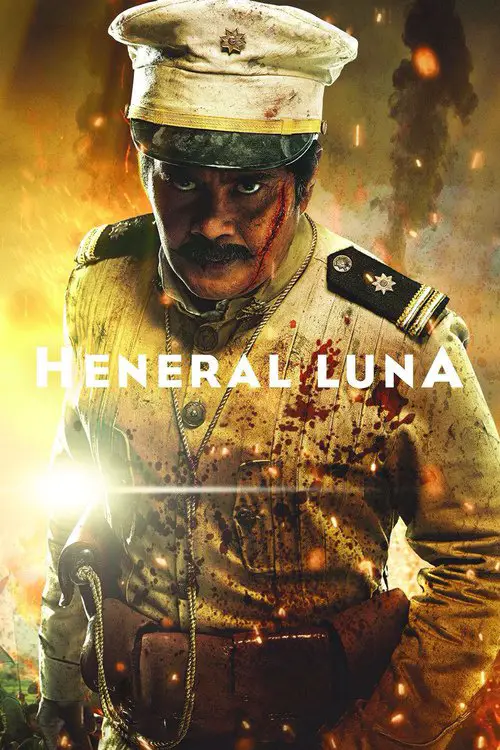
A Filipino general who believes he can turn the tide of battle in the Philippine-American war. But little does he know that he faces a greatest threat to the country's revolution against the invading Americans.

Fact-based World War II story set on Christmas Eve, 1944, finds a German Mother and her son seeking refuge in a cabin on the war front. When she is invaded by three American soldiers and then three German soldiers, she successfully convinces the soldiers to put aside their differences for one evening and share a Christmas dinner.

While Old England is being ransacked by roving Danes in the 9th century, Alfred is planning to join the priesthood. But observing the rape of his land, he puts away his religious vows to take up arms against the invaders, leading the English Christians to fight for their country. Alfred soundly defeats the Danes and becomes a hero. But now, although Alfred still longs for the priesthood, he is torn between his passion for God and his lust for blood.
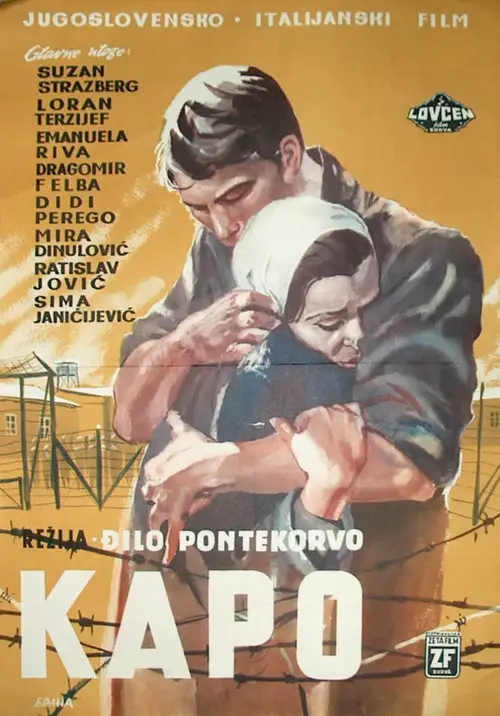
A young Jewish girl leads an escape attempt from a concentration camp.

Concentration camp commander Kraft finds out that prisoner Kominek is a former professional boxer. Overnight, the prisoner is made Kraft's exercise partner and unwillingly rises to a privileged position at the camp. His anger over the death of his friend and co-prisoner leads to open revolt. The film brings a new view of human degradation during fascism by a tragic story of one man whose only chance for survival is to accept the rules of an unequal game.
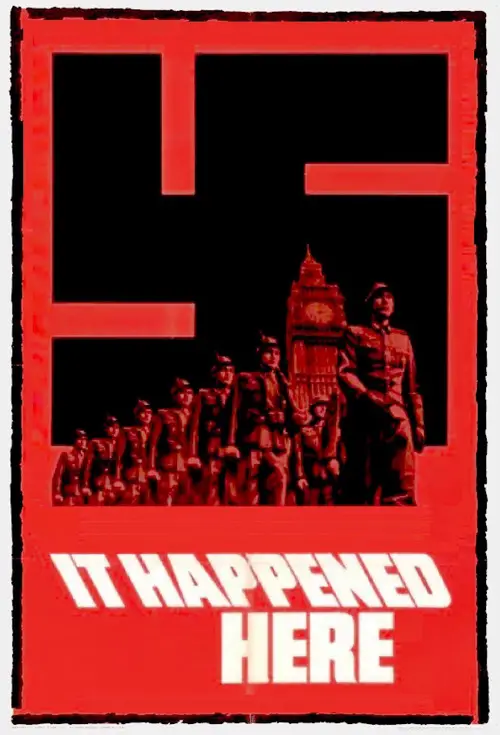
It is the Second World War. The Nazis have invaded Britain. There is a split between the resistance and those who prefer to collaborate with the invaders for a quiet life. The protagonist, a nurse, is caught in the middle.
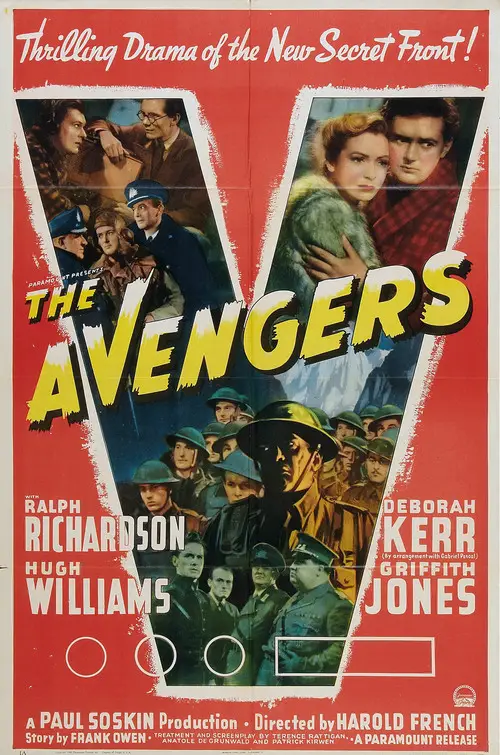
Horse race tipster and journalist Metcalfe is picked for the job of foreign correspondent in Norway when Hitler invades Poland. On the way to Norway his boat is attacked by a German U-Boat, however when he tells the navy about it they disbelief him and, to make matters worse, he is removed from his job. When German forces invade Norway, Metcalfe returns determined to uncover what is going on and stop the Germans in their tracks.

In the future (1921), an alliance of several foreign countries plot to attack the US. American officials, coming to the realisation that the country is basically defenceless, offer $1,000,000 to anyone who can come up with a weapon to defeat the invaders. Winthrop Clavering, a writer and inventor, hears of the reward and tells his friend Bartholomew Thompson, a scientist and inventor who has been working on developing flying torpedo. However, enemy agents have also heard about Thompson's project, and set out to kill him and steal his plans. This film is now considered lost.
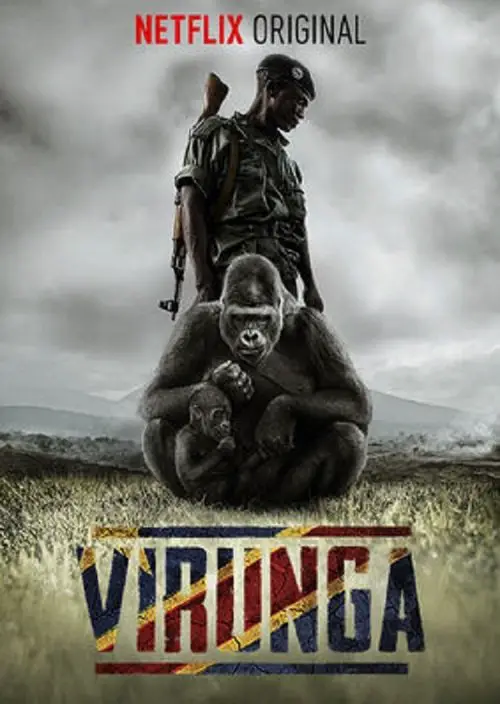
Virunga in the Democratic Republic of the Congo is Africaâs oldest national park, a UNESCO world heritage site, and a contested ground among insurgencies seeking to topple the government that see untold profits in the land. Among this ongoing power struggle, Virunga also happens to be the last natural habitat for the critically endangered mountain gorilla. The only thing standing in the way of the forces closing in around the gorillas: a handful of passionate park rangers and journalists fighting to secure the parkâs borders and expose the corruption of its enemies. Filled with shocking footage, and anchored by the surprisingly deep and gentle characters of the gorillas themselves, Virunga is a galvanizing call to action around an ongoing political and environmental crisis in the Congo.

An old leper who owned a remote sorghum winery dies. Jiu'er, the wife bought by the leper, and her lover, identified only as "my Grandpa" by the narrator, take over the winery and set up an idealized quasi-matriarchal community headed by Jiu'er. When the Japanese invaders subject the area to their rule and cut down the sorghum to make way for a road, the community rises up and resists as the sorghum grows anew.
© Valossa 2015–2026
| Privacy Policy