
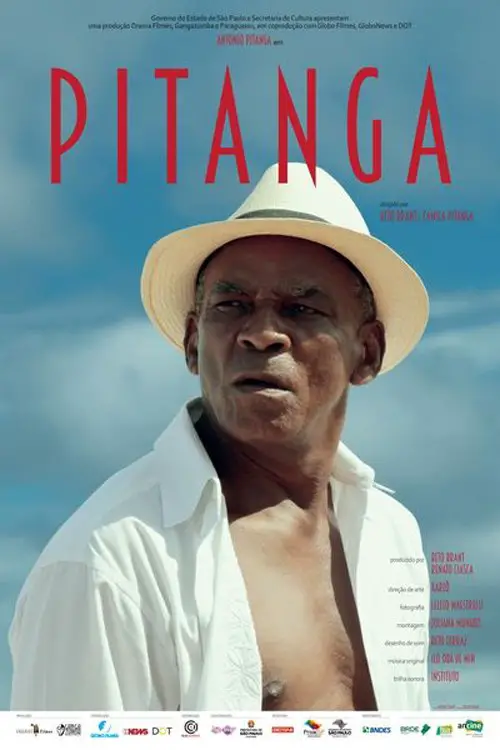
Pitanga (2016)
Similar movies

Set in a small town in Pará in the heart of the Amazon, Cauby makes a living as a photographer. Soon heâll befriend pastor Ernaniâs attractive wife LavÃnia and embark on an affair â a good portion of the film is dedicated to their passionate relationship. We will also learn of LavÃniaâs baggage from her past â how she met her husband, her continuing love for him, and his supportive role. But when rumours of her affair with Cauby circulate, the conservative community do not look at it kindly, leading to tragedy, and their lives will never be the same afterwardsâ¦
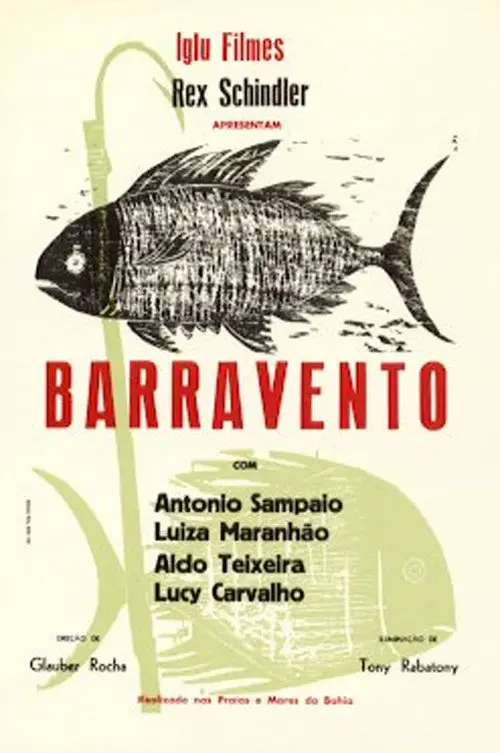
In the State of Bahia, Brazil, an educated black man returns to his home fishing village to try and free people from mysticism, in particular the Candomblé religion, which he considers a factor of political and social oppression, with tragic outcome.

A small community of descendants of Italian immigrants in the interior of the state of Rio Grande do Sul resorts to making a video to try to solve the problems of basic sanitation that plague their village.

Situated just above the awe-inspiring Ipanema beach in Rio is the Cantagalo slum. Every day, floods of Cantagalo residents make their way down the mountain, only to disappear into their surroundings as part of the invisible working-class that cleans apartments, works in restaurants, and sells food along the scenic, sun-drenched shores. Young Dé (Thiago Martins) is just such a man. Dé lives with his mother Bernadette (Cyria Coentro) in a cramped Cantagalo apartment, selling hot dogs on the beach in order to make the rent. His brother Beto was killed when Dé was just a young boy, and his adopted brother Carlão (Rocco Pitanga) has been jailed for a robbery that he didn't commit. One day, while working on the beach, Dé meets Nina (Vitória Frate). Nina is the only child of a successful lawyer named Evandro (Paulo César Grande), who's none to happy to discover that his daughter is dating a member of the lower class. How...
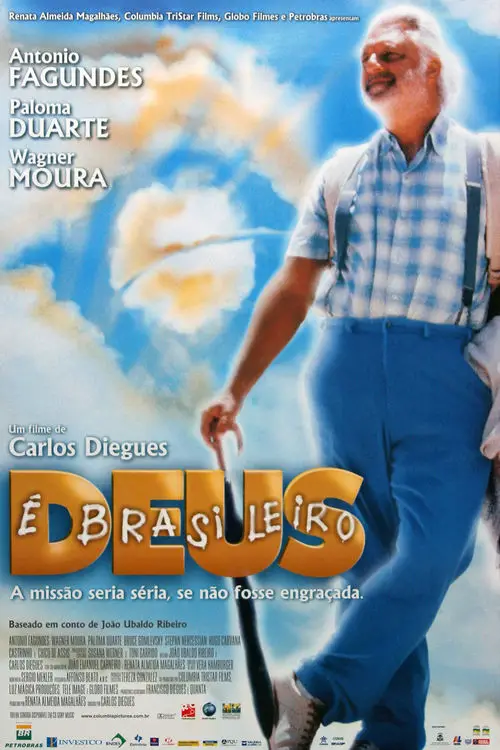
God decides to take a vacation - but, first, He has to find a saint who can rule the universe while He's away. For that, He goes to Brazil's northeast, where He believes there's a very good man for the job - but, during His mission, He becomes friend of a very smart young man.
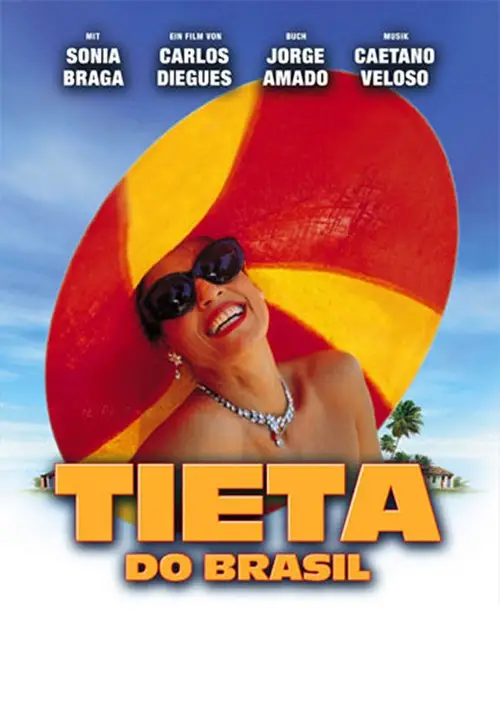
Just when her family starts believing that she is dead, and that they can expect a rich heritage, Tieta returns from São Paulo to her native village in Bahia...

Apolônio Brasil was a cult pianist who used to play in nightclubs in Rio de Janeiro, in the 1950s and 1960s. Quite a character, Apolônio was loved by women, idolized by his audience and friends, besides being extremely high-spirited and charming. For all that, his brain is removed after his death and becomes the center of a dispute among an American scientist, Dr. Bóris, who wants to study it, his friends and his son Paluca. The film is an attempt to pay homage to the nightlife in Rio de Janeiro of the 50s, and to the "chanchada" a genre of musical-comedy typically Brazilian. - Written by [email protected]
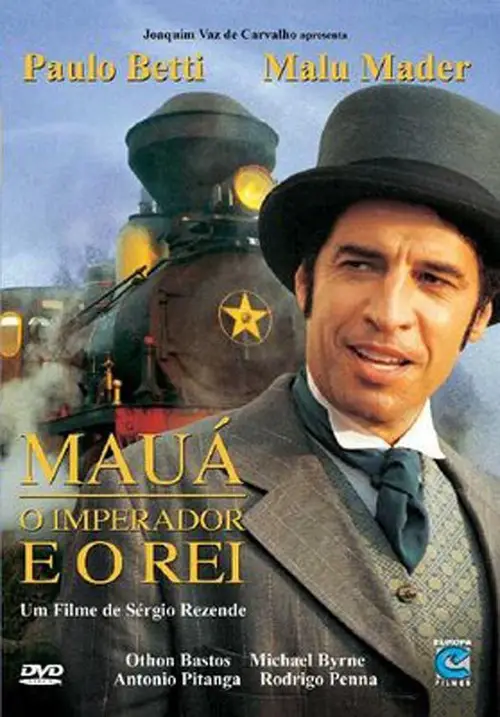
A movie about a Brazilian entrepreneur who rivalled American's richest man at his time, well-known Rockfeller. Irineu Evangelista de Souza in 1867 had $155.000 contos de reis, meanwhile the Brazilian Governement annual budget was 97.000 contos de reis. The movie shows his life from poverty to riches and back to poverty again, as is common in Brazil, rich people die poor.
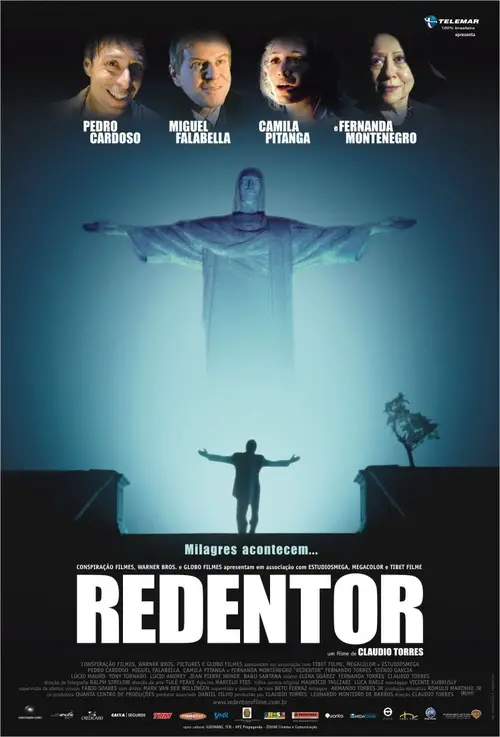
Célio Rocha believes he was assigned by God Himself a difficult mission: to persuade his childhood friend Otávio Sabóia, a corrupt entrepeneur in the construction business, to give away all his possessions to the poor.
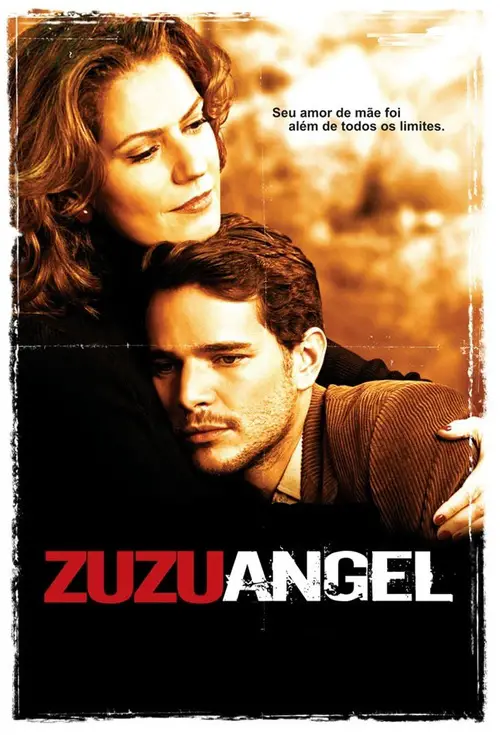
"Zuzu Angel" covers the last years of the famous Brazilian fashion designer in her doomed quest for justice in the case of her activist son Stuart's arrest, torture, murder and subsequent corpse disposal by the military forces in early 1970s Rio de Janeiro, during the darkest era of Brazilian military regime and media censorship. Not even the fact that she was a widely known public figure saved her from being killed in a car crash in 1976, in one of the regime's favorite elimination techniques (many other similar "car crashes" still have to be re-investigated).
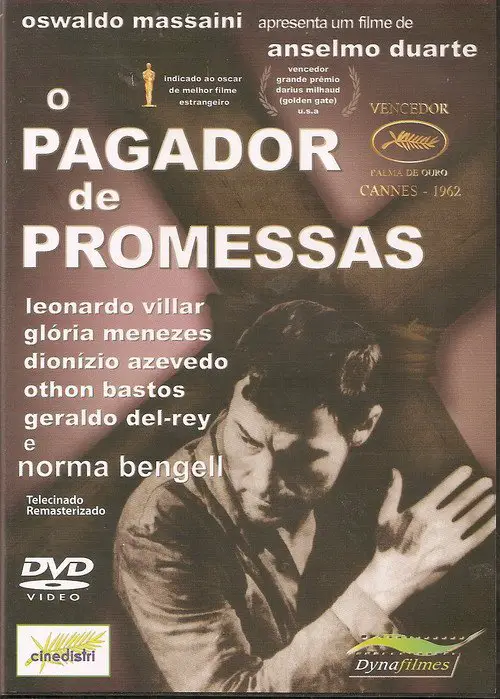
Zé is a very poor man from the Brazilian countryside. His most prized possession is his donkey. When his donkey falls terminally ill, Zé makes a promise to Saint Bárbara: If his donkey recovers, he will carry a cross - like Jesus - all the way from his city to Saint Bárbara's church in the state capital. Upon the recover of his donkey, Zé leaves on his journey. He makes it to the church, but the priest refuses to accept the cross once he came to know the context of Zé's promise. Written by Manoel Mendonça
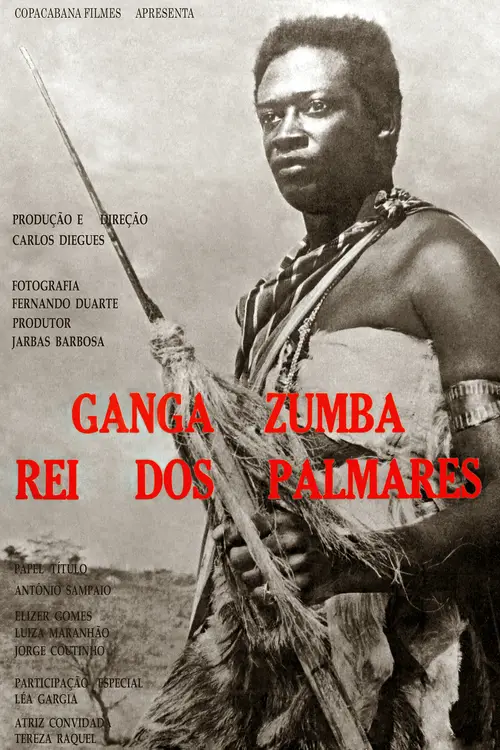
The life of a runaway slave who founded the Quilombo dos Palmares, an outlaw community of Brazilian slaves.
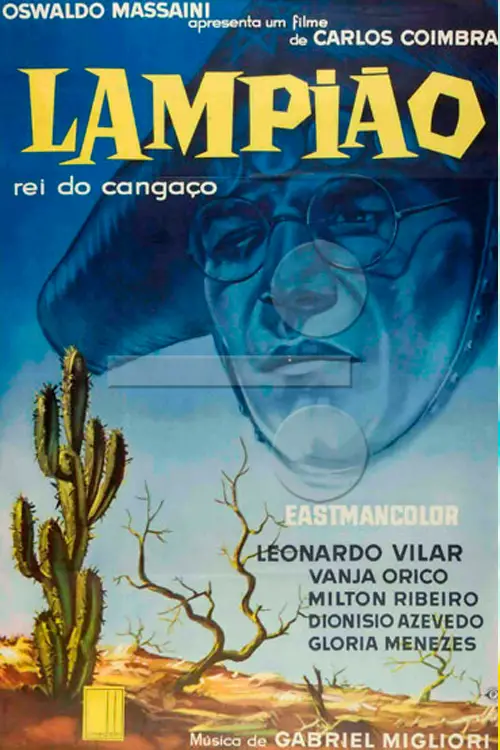
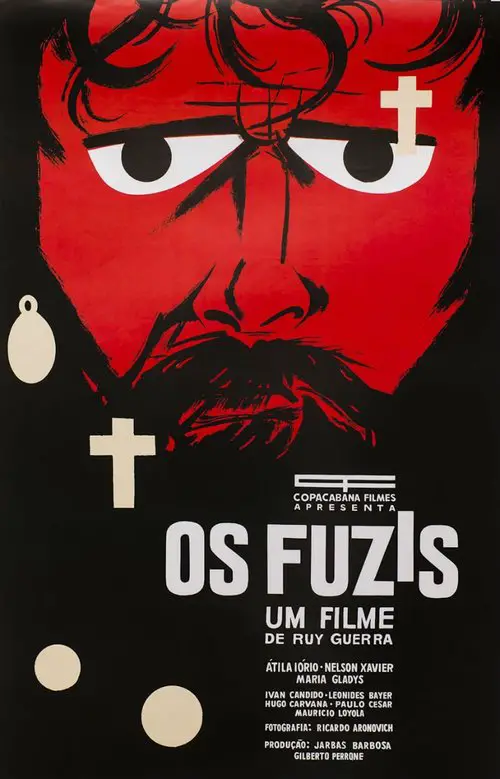
In an extremely poor region in the Northeast of Brazil, a group of soldiers try to stop the population from sacking a food deposit.
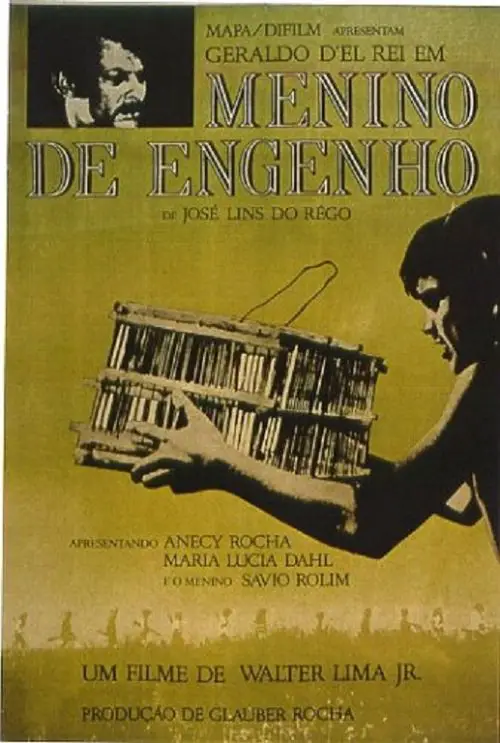
In colonial Brazil, boy is sent to live with some parents in a sugarcane plantation, after losing his mother. His adaptation will be difficult and painful.
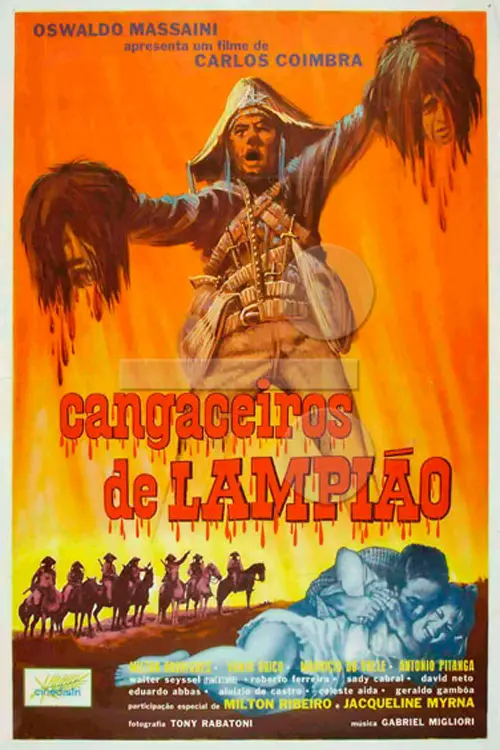

This film shows people with constant psychological and social conflicts: the violence among outlaws, conflicts between man and woman, police and society.
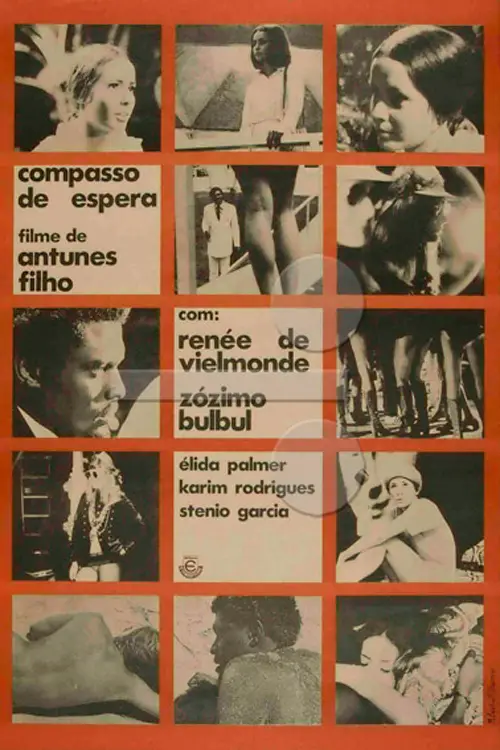

In a small city of Brazil, Flor (a very good looking woman) marries Vadinho, a very handsome and erotic man. Once married she finds he is a good-for-nothing. She works teaching cooking to her neighbours but he takes all her money to gamble. One day he dies. Flor misses the goods of the marriage so she marries again with a very correct gentleman - the owner of the drugstore (Teodoro). Now she's very happy with her man, but misses the erotic moments with her previous husband. Then the ghost of Vadhino comes to earth to chase her.
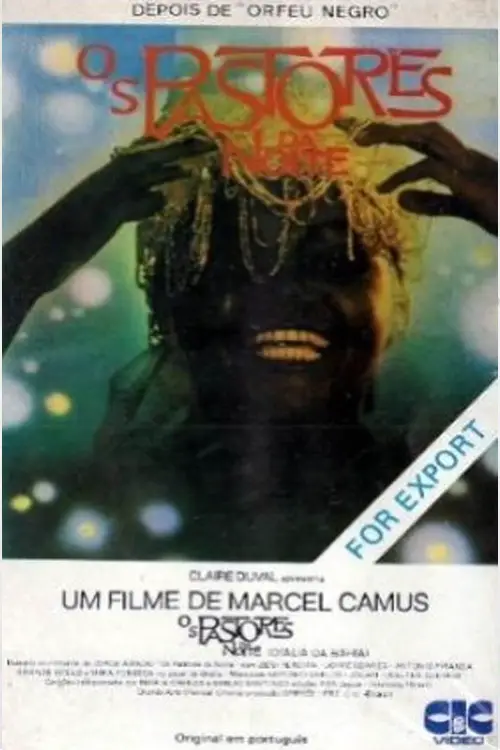
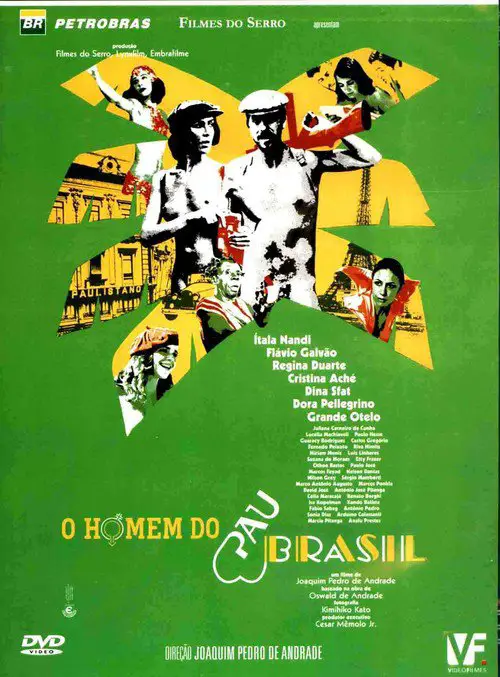
Fantasy comedy about Brazilian writer Oswald de Andrade, one of the most important icons of Modernism in Brazil. In the film, Oswald is played by two actors: Ãtala Nandi, as his feminine anima, and Flávio Galvão, as the masculine half.
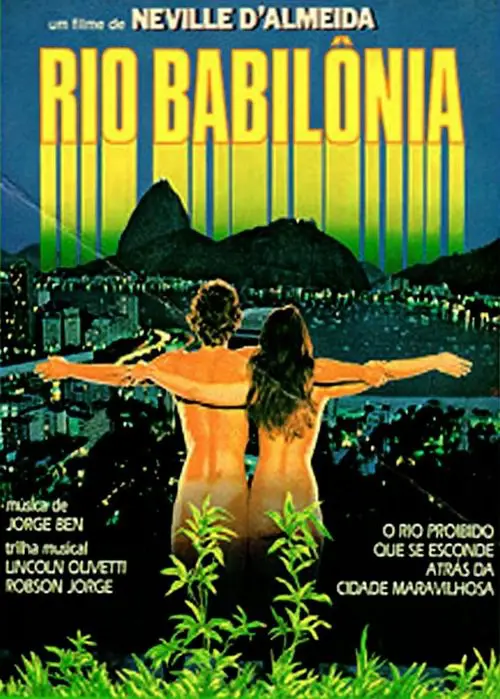

A small-town school teacher leads an apparently normal life, including a longtime boyfriend. But she secretly has several lesbian affairs until the women in her life start being brutally murdered.
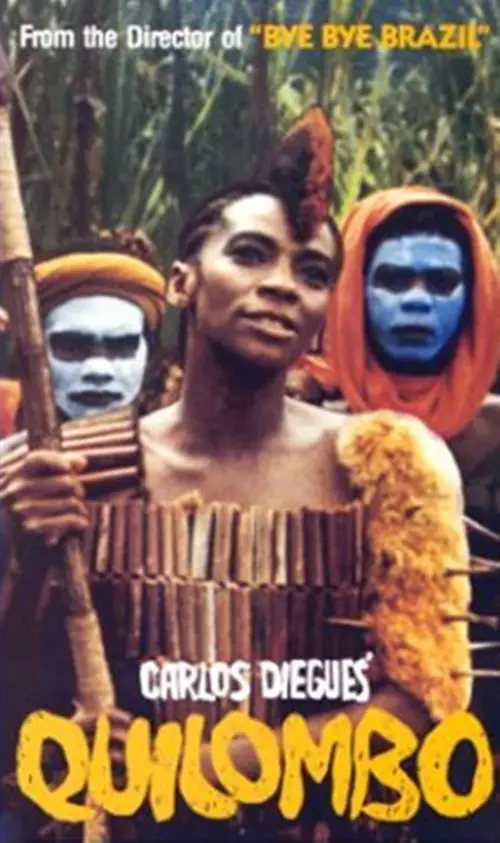
Quilombo de Palmares was a real-life democratic society, created in Brazil in the 17th century. This incredibly elaborate (and surprisingly little-known) film traces the origins of Quilombo, which began as a community of freed slaves. The colony becomes a safe harbor for other outcasts of the world, including Indians and Jews. Ganga Zumba (Toni Tornado) becomes president of Quilombo, the first freely elected leader in the Western Hemisphere. Naturally, the ruling Portuguese want to subjugate Zumba and his followers, but the Quilombians are ready for their would-be oppressors. The end of this Brave New World is not pleasant, but the followers of Zumba and his ideals take to the hills, where they honor his memory to this day. Writer/director Carlos Diegues takes every available opportunity to compare the rise and fall of Quilombo with the state of affairs in modern-day Brazil.
© Valossa 2015–2026
| Privacy Policy